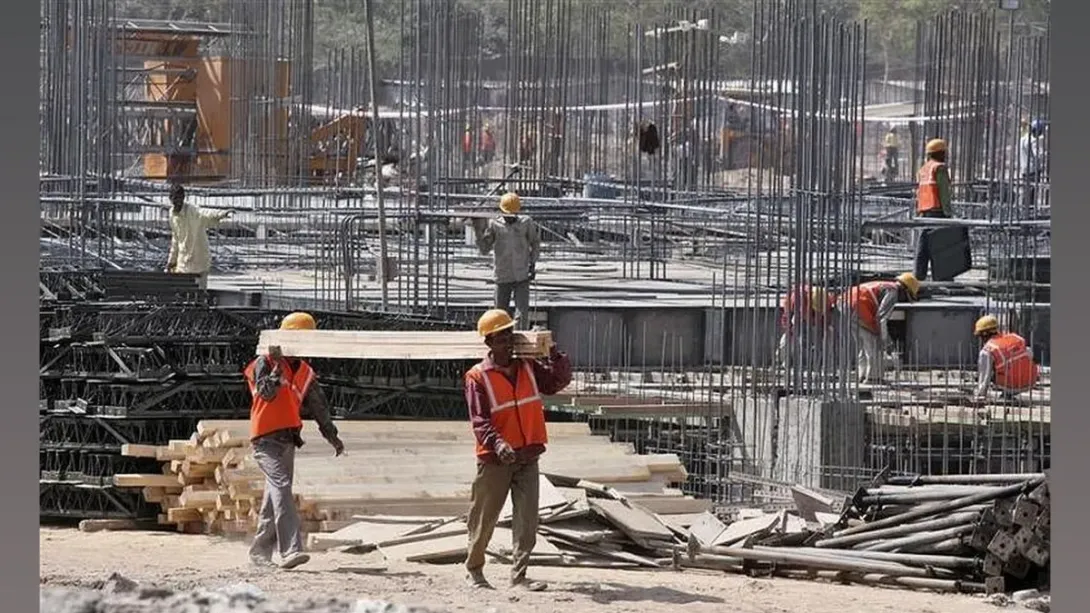
In a major push toward sustainable urban development, the GRIHA Council has announced a new incentive framework designed to promote green building practices across India. The initiative aims to encourage developers, architects, and government bodies to adopt eco-friendly designs, materials, and construction methods that minimize carbon footprints and resource consumption. By offering tangible benefits such as faster approvals, financial incentives, and recognition programs, GRIHA’s new policy seeks to strengthen India’s position as a global leader in sustainable real estate. The framework aligns closely with national environmental goals, particularly those outlined in India’s commitment to achieving net-zero emissions by 2070.
GRIHA Council’s Strategic Push for Green Infrastructure
The Green Rating for Integrated Habitat Assessment (GRIHA) Council, India’s national rating agency for green buildings, has rolled out a series of initiatives aimed at incentivizing sustainable construction. This strategic move addresses the urgent need for climate-resilient infrastructure, especially in light of India’s rapid urban expansion and growing environmental challenges.
The new framework offers multiple forms of support to encourage developers and public agencies to pursue green certification for their projects. These include reduced project evaluation fees, technical guidance for sustainable design, and facilitated access to government-linked benefits such as property tax rebates or fast-tracked environmental clearances.
GRIHA, which operates under the joint initiative of The Energy and Resources Institute (TERI) and the Ministry of New and Renewable Energy (MNRE), has long been instrumental in defining India’s green construction standards. The latest policy marks a significant evolution in its mission—from certification to catalyzing adoption through meaningful incentives.
Linking Incentives to Environmental Performance
Under the new framework, incentives will be closely tied to a project’s environmental performance. Developers earning higher GRIHA ratings—reflecting superior energy efficiency, water conservation, and waste management practices—will be eligible for greater benefits.
The rating system assesses buildings across key parameters such as energy optimization, renewable energy integration, sustainable site planning, and resource efficiency. By linking these metrics with tangible rewards, GRIHA aims to motivate the real estate sector to shift from compliance-based approaches to proactive sustainability leadership.
Government authorities at both state and municipal levels are expected to play a pivotal role in operationalizing these incentives through policy integration and fiscal measures. Several urban local bodies, including those in Maharashtra, Delhi, and Karnataka, are already considering GRIHA ratings as benchmarks for granting concessions or project approvals.
A Step Toward India’s Net-Zero Ambition
India’s commitment to achieve net-zero carbon emissions by 2070 requires deep transformations in the construction and real estate sectors, which together account for nearly 40% of global greenhouse gas emissions. The GRIHA Council’s initiative represents a concrete step toward aligning the industry with the country’s climate roadmap.
By encouraging the use of low-carbon materials, energy-efficient technologies, and integrated design principles, the policy seeks to drastically reduce the environmental impact of new developments. Moreover, the adoption of such measures is expected to deliver long-term economic benefits, including reduced operational costs, improved occupant health, and enhanced property values.
According to industry analysts, widespread implementation of GRIHA-rated buildings could help India save billions in energy expenditure annually while reducing dependency on fossil fuels.
Empowering Stakeholders Through Awareness and Training
Beyond financial incentives, the GRIHA Council plans to deepen stakeholder engagement through capacity-building programs for developers, architects, engineers, and policymakers. These programs will emphasize the practical benefits of sustainable construction and provide technical expertise for designing and implementing green projects.
The Council is also working to expand its collaboration with academic institutions and industry bodies to develop research-based innovations in sustainable materials and technologies. By nurturing a culture of environmental accountability, GRIHA seeks to bridge the knowledge gap that often hinders the mainstream adoption of green building practices in India.
Market Impact and Industry Response
The construction sector has responded positively to GRIHA’s latest initiative, viewing it as a timely intervention that balances environmental responsibility with economic viability. Developers anticipate that the move will not only enhance brand reputation but also attract environmentally conscious investors and tenants.
Experts believe that these incentives could trigger a paradigm shift in India’s real estate landscape, making sustainability a standard feature rather than a niche pursuit. With increasing regulatory and consumer demand for eco-certified projects, the framework could also help developers future-proof their portfolios against stricter environmental norms.
Conclusion: A Blueprint for a Greener Future
The GRIHA Council’s incentive-driven approach reflects a maturing ecosystem where sustainability and profitability can coexist. By aligning policy frameworks, financial rewards, and capacity-building efforts, GRIHA has laid the foundation for a scalable model of green urban growth.
As India continues to urbanize at an unprecedented rate, initiatives like this will be crucial in ensuring that development remains environmentally responsible, socially inclusive, and economically sustainable. The Council’s efforts could very well define the blueprint for India’s next generation of cities—resilient, efficient, and ready for a carbon-conscious future.
Comments