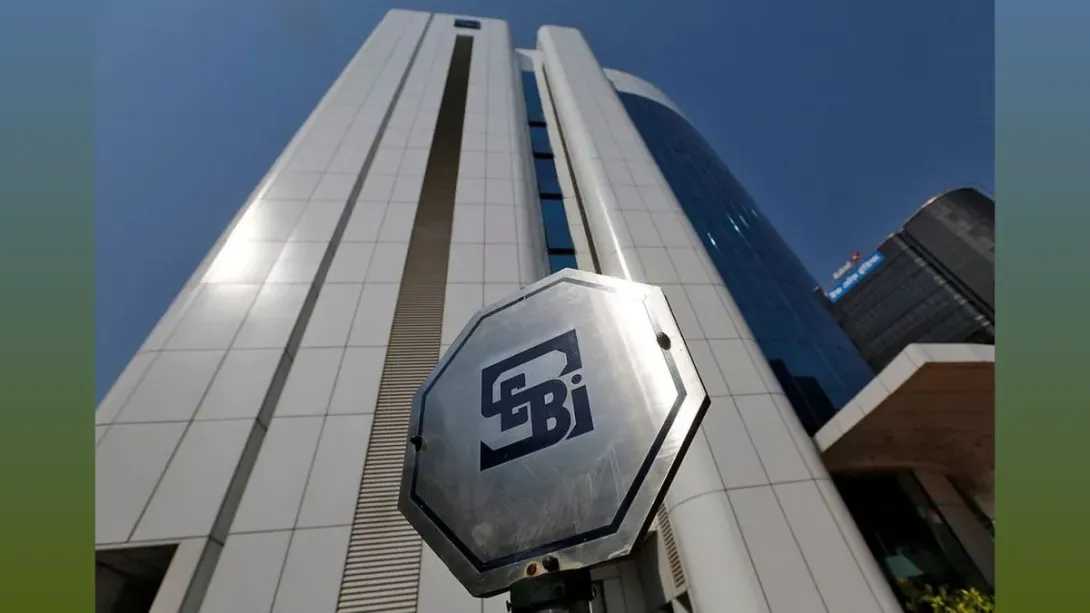
A recent trading disruption at the Multi Commodity Exchange (MCX) has drawn sharp criticism from the Securities and Exchange Board of India (SEBI), with Chairperson Madhabi Puri Buch expressing strong displeasure over the incident. The outage, which halted trading activity for several hours, raised concerns about operational resilience and the robustness of the exchange’s technological infrastructure. SEBI has directed MCX to provide a comprehensive explanation and ensure stronger contingency protocols. The regulator’s stern stance underscores the increasing emphasis on reliability, cybersecurity, and accountability across India’s rapidly evolving financial market ecosystem.
SEBI Takes a Firm Stand on Market Infrastructure Failures
The market regulator has issued a strong warning to MCX following the recent trading outage that disrupted commodities transactions and unsettled market participants. Chairperson Madhabi Puri Buch reportedly expressed dissatisfaction with the exchange’s handling of the situation and its delayed communication with investors and brokers during the technical failure.
According to sources familiar with the matter, SEBI has asked MCX to submit a detailed root-cause analysis report outlining the exact reasons behind the outage, corrective measures taken, and plans to prevent future disruptions. The regulator also emphasized the importance of business continuity planning (BCP) and disaster recovery (DR) mechanisms for all market infrastructure institutions (MIIs).
The Outage and Its Market Impact
The outage, which occurred during peak trading hours, temporarily halted commodity futures transactions, causing frustration among traders and investors. The disruption reportedly affected critical segments such as bullion, base metals, and energy contracts, leading to delayed settlements and temporary liquidity concerns.
While MCX restored services later in the day, the incident drew criticism from market participants who demanded greater transparency regarding the exchange’s technological preparedness. The exchange attributed the outage to a system-level glitch related to its new trading software but refrained from disclosing specific technical details pending a full audit.
Such disruptions can have significant market-wide implications, particularly in commodities trading where prices move rapidly, and delays can result in financial losses.
SEBI’s Broader Push for Technological Robustness
SEBI’s intervention comes amid a broader regulatory push to enhance the resilience of India’s capital market infrastructure. Over the past few years, the regulator has introduced several directives mandating exchanges to conduct quarterly system audits, maintain real-time backup servers, and perform mock trading drills to test the stability of trading platforms.
The regulator has made it clear that market institutions must ensure 100% uptime reliability and adopt advanced cybersecurity frameworks to protect investors’ interests. With the growing adoption of algorithmic and high-frequency trading, SEBI’s focus on operational integrity and system redundancy has become even more critical.
MCX’s Response and Corrective Steps
In its preliminary statement, MCX assured stakeholders that trading operations have stabilized and that a third-party forensic review is underway to determine the technical cause of the disruption. The exchange stated that it is working closely with SEBI and technology partners to strengthen its disaster recovery systems and improve response protocols.
Industry insiders note that MCX’s transition to a new trading platform earlier this year may have introduced unforeseen technical vulnerabilities. The exchange has since committed to a comprehensive system audit, along with enhanced communication channels to alert members promptly in the event of future disruptions.
Market Reactions and Industry Implications
The outage has reignited debate over the technological reliability of India’s exchanges, especially as trading volumes across asset classes continue to expand. Analysts believe that while MCX remains a critical platform for commodity derivatives, the incident could temporarily dent trader confidence and attract closer regulatory scrutiny.
Market experts also point out that India’s exchanges must now balance technological innovation with systemic stability. As trading increasingly shifts to automated systems, even minor software failures can lead to large-scale disruptions, making proactive infrastructure management essential.
A Wake-Up Call for Market Infrastructure Institutions
The SEBI chief’s strong reaction serves as a reminder that operational excellence is as crucial as financial performance for institutions managing public trading platforms. Regulators are expected to demand more frequent stress tests, stricter accountability from technology vendors, and transparent communication with market participants during crises.
As India’s financial markets deepen and diversify, the robustness of their technological backbone will play a decisive role in maintaining investor trust. The MCX outage, while unfortunate, may well serve as a turning point in strengthening operational discipline across all exchanges and clearing corporations.
In conclusion, SEBI’s stern response to the MCX trading outage signals a new era of regulatory vigilance aimed at safeguarding the integrity of India’s financial infrastructure. With technology now at the heart of trading ecosystems, reliability and accountability are no longer optional—they are the foundations of market confidence.
Comments