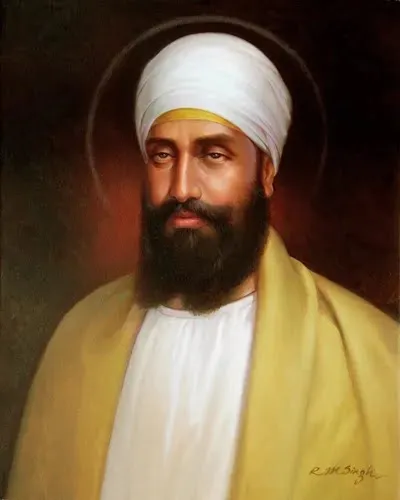
Punjab has commenced a significant spiritual and cultural observance to honor the 350th martyrdom year of Sri Guru Tegh Bahadur Ji, the ninth Sikh Guru revered globally for his unwavering stand for human rights and freedom of faith. The commemorative event at Anandpur Sahib underscores the Guru’s enduring legacy of sacrifice, compassion, and moral courage. State leaders, religious scholars, and thousands of devotees gathered to pay homage, reflecting on the Guru’s pivotal role in safeguarding civil liberties. The commemoration blends traditional ceremonies, community service, and educational programs, reinforcing his teachings for contemporary society.
A Landmark Spiritual Commemoration
Punjab has embarked on an emotional and historic remembrance as it observes the 350th martyrdom anniversary of Sri Guru Tegh Bahadur Ji in Anandpur Sahib. Known as “Hind Di Chadar,” Guru Tegh Bahadur’s supreme sacrifice is considered one of the most profound acts of moral resistance in the subcontinent’s history. The state’s formal commemoration serves not only as a tribute to his unparalleled martyrdom but also as a reminder of the values he embodied—universal human dignity, freedom of conscience, and the defense of the oppressed.
Thousands of devotees from various regions arrived at Anandpur Sahib to participate in prayers, kirtan, and spiritual gatherings. The atmosphere reflected devotion and gratitude as families, scholars, and community leaders joined to honor the Guru's memory.
Ceremonies Highlighting Sikh Heritage
The event includes a series of religious observances conducted by prominent Sikh institutions. Traditional kirtan sessions, recitation of Gurbani, and discourses on the Guru’s life form the heart of the ceremonies. Devotees also engaged in community service, a core Sikh principle, through langar preparation, volunteer-led support programs, and outreach for the underprivileged.
The commemorative gathering also offers a platform for younger generations to reconnect with Sikh history. Educational exhibitions and curated presentations explore Guru Tegh Bahadur Ji’s philosophical contributions, his global significance, and his role in shaping Sikh identity.
Leadership Presence and Public Participation
The observance witnessed participation from senior state officials, who highlighted the Guru’s enduring message of peace, justice, and unity. Leaders emphasized that the Guru’s ultimate sacrifice—defending the religious rights of those who did not share his faith—remains an extraordinary example of ethical leadership.
Public turnout underscored the collective reverence with which Sikh communities regard Guru Tegh Bahadur Ji. The gathering at Anandpur Sahib demonstrated the continued relevance of his teachings in strengthening societal resilience and fostering interfaith harmony.
Symbolism in a Modern Context
The 350th martyrdom commemoration carries profound significance in the present era. At a time when global societies grapple with challenges to freedom, identity, and coexistence, Guru Tegh Bahadur Ji’s legacy stands as an ethical compass. His martyrdom, rooted in the defense of civil liberties, offers enduring lessons in governance, human rights advocacy, and community welfare.
Scholars at the event stressed the importance of revisiting his teachings to cultivate empathy, courage, and collective responsibility. The commemorations aim to spark renewed conversation on moral steadfastness—qualities urgently needed in contemporary civic life.
Upholding the Guru’s Legacy
Punjab’s tribute at Anandpur Sahib serves as both a remembrance and a renewal of purpose. Through prayer, service, and collective reflection, the state seeks to reiterate the guiding principles the Guru championed. The 350th martyrdom year stands as a symbolic milestone, encouraging communities to uphold the ideals of justice, tolerance, and fearlessness.
As the observances continue, Punjab reaffirms its commitment to preserving Sikh heritage while inspiring future generations to embody the values that Sri Guru Tegh Bahadur Ji sacrificed his life to protect.
Comments