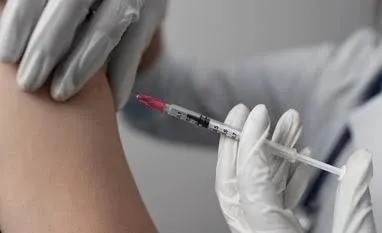
Recent scientific findings on the human papillomavirus (HPV) have reinforced the vaccine’s effectiveness in preventing several high-risk cancers, even as misinformation campaigns continue to cloud public perception. Researchers report significant declines in HPV-related infections and precancerous lesions in vaccinated populations, underscoring the vaccine’s role as a crucial public health tool. Despite this progress, false claims circulating online have created hesitancy among some families, threatening long-term health outcomes. Experts warn that combating misinformation is now as critical as expanding vaccine access itself. With healthcare systems under pressure from rising cancer treatment costs, the new data strengthens the argument for early, evidence-driven vaccination.
---
Research Findings Reinforce HPV Vaccine Effectiveness
Fresh clinical evidence indicates that HPV vaccination has led to notable reductions in infection rates and early cancer indicators among adolescents and young adults. Health specialists highlight that the vaccine targets strains responsible for the majority of cervical cancers, as well as several head, neck, and genital cancers. Long-term studies have shown declining rates of abnormal cervical screenings and precancerous growths, demonstrating that the intervention is not only effective but durable.
This expanding body of research strengthens the consensus that early vaccination provides the strongest shield, ideally before exposure to the virus.
---
Rising Misinformation Poses New Public Health Risks
While the scientific consensus is clear, the vaccine continues to face resistance due to misinformation. Much of the pushback stems from unfounded claims about safety, fertility, or long-term side effects—none of which have been validated in medical literature. Public health officials warn that such narratives can erode trust, delay vaccinations, and ultimately increase the burden of preventable cancers.
The spread of inaccurate information has amplified the challenge of achieving widespread immunization, especially in regions with limited healthcare literacy or strong cultural misconceptions about vaccination.
---
The Economic Imperative: Prevention Over Treatment
Beyond its clinical benefits, the HPV vaccine yields substantial long-term economic advantages. Treating HPV-related cancers involves significant costs—from diagnostic procedures and surgeries to long-term care and workforce losses. In contrast, vaccination represents an upfront, cost-effective investment that reduces future healthcare expenditures.
Analysts note that preventing even a fraction of these cancers could translate into millions saved for public and private healthcare systems. This financial argument is increasingly relevant as rising medical costs stretch budgets for families and governments alike.
---
Public Health Experts Call for Stronger Communication Strategies
To address vaccine hesitancy, medical professionals emphasize the need for transparent, accessible communication. Evidence-based outreach programs, community engagement, and involvement of trusted local voices are increasingly recognized as critical tools in countering misinformation.
Experts also recommend integrating vaccination awareness into school health programs, workplace wellness initiatives, and routine medical visits. The goal is not only to educate but to normalize preventive healthcare as part of a broader culture of wellbeing.
---
A Pivotal Moment for Prevention
As research continues to validate the HPV vaccine’s effectiveness, the global health community faces a dual challenge: strengthening vaccination rates while dismantling misinformation. The latest findings offer renewed confidence in the vaccine’s role in preventing several aggressive cancers, but public trust remains essential.
With scientific evidence overwhelmingly in favor of vaccination, the priority now lies in ensuring that accurate information reaches families before misinformation does. The stakes—medical, financial, and societal—are too high to ignore.
Comments