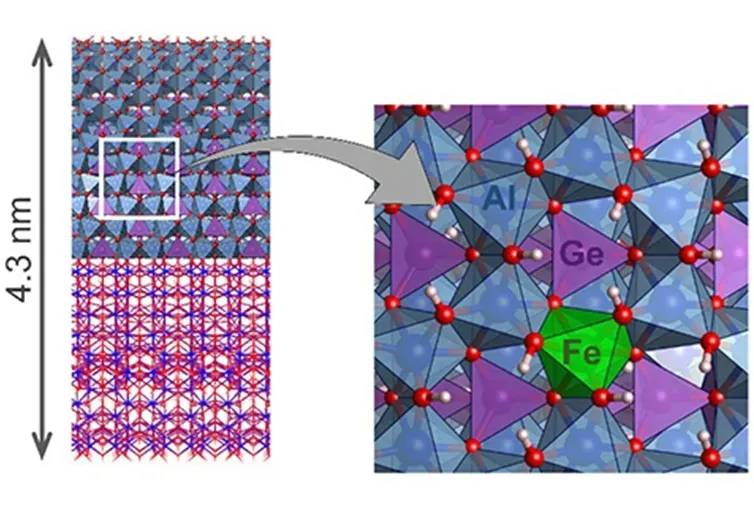
Recent advances in catalyst research are poised to transform the landscape of clean hydrogen production, offering pathways to more sustainable energy solutions. Scientists have developed innovative catalysts that enhance hydrogen yield, reduce energy consumption, and lower operational costs, potentially accelerating the adoption of green hydrogen technologies globally. With governments and industries increasingly focused on carbon neutrality, these findings hold significant economic and environmental implications. By improving efficiency in electrolysis and other hydrogen-generating processes, the research signals a critical step toward scalable, commercially viable clean energy alternatives.
The Science Behind the Breakthrough
Catalysts are essential for accelerating chemical reactions, and in hydrogen production, they determine both efficiency and cost-effectiveness. The latest research focuses on novel materials capable of optimizing the electrolysis process, which splits water into hydrogen and oxygen using electricity. By enhancing reaction rates while minimizing energy input, these catalysts could reduce production costs substantially, making hydrogen a more competitive alternative to fossil fuels.
Implications for Clean Energy Adoption
Hydrogen is increasingly seen as a cornerstone of a low-carbon future, with applications spanning transportation, industrial processes, and power generation. However, production costs and energy inefficiencies have long hindered widespread adoption. The new catalytic materials address these bottlenecks, enabling cleaner and more affordable hydrogen. Industry analysts anticipate that such innovations could accelerate the deployment of green hydrogen projects in energy-intensive sectors, particularly in regions committed to net-zero emissions targets.
Economic and Industrial Impact
The commercialization of efficient hydrogen catalysts could reshape energy markets, attracting investment from both private and public sectors. Reduced production costs could incentivize large-scale infrastructure projects, creating new opportunities for industrial growth and technological leadership. Furthermore, countries investing early in these technologies may secure strategic advantages in the emerging global hydrogen economy, positioning themselves as hubs for innovation and export.
Future Outlook
While laboratory results are promising, researchers caution that scaling these catalysts for industrial application remains a complex challenge. Ongoing efforts focus on durability, long-term efficiency, and integration with renewable energy sources. If successfully implemented, these catalysts could mark a pivotal moment in clean energy, enabling hydrogen to become a cornerstone of sustainable economic development and a key driver in the transition away from carbon-intensive fuels.
Comments