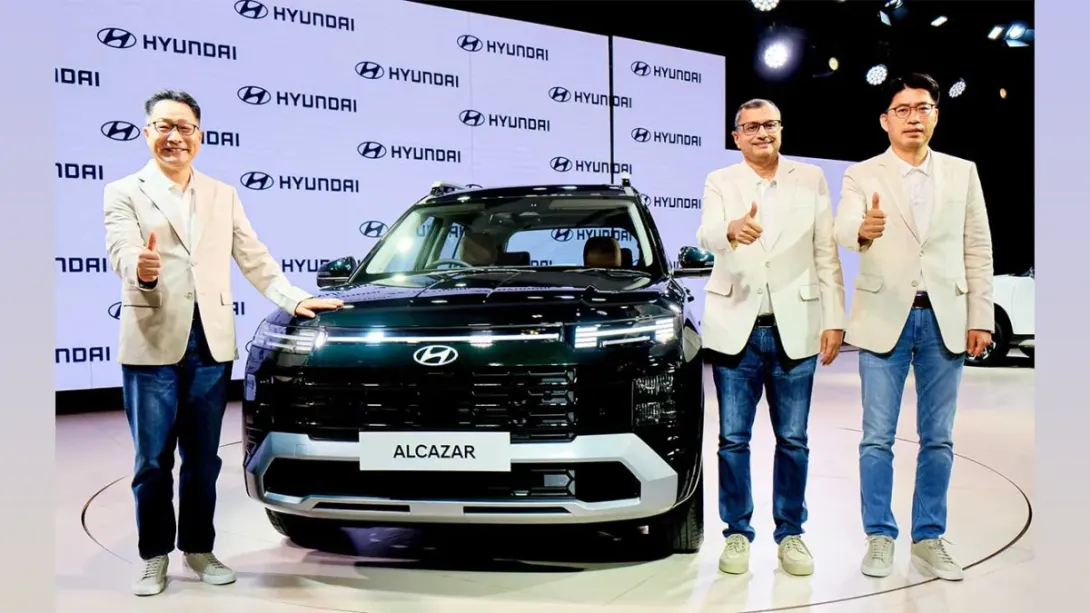
Hyundai Motor India recorded a 6.6% increase in vehicle sales in December 2025, selling 55,800 units compared with 52,400 units in December 2024. The growth was supported by strong demand for popular SUVs and hatchbacks, including the Creta, Venue, and i20, alongside targeted marketing initiatives and improved dealer accessibility. Analysts attribute the rise to competitive pricing, festive-season promotions, and growing consumer confidence in India’s automotive market. Hyundai’s performance underscores its resilience in a competitive landscape and highlights the sustained appeal of fuel-efficient, feature-rich vehicles across urban and semi-urban markets, setting a positive tone for early 2026.
December Sales Performance: Steady Growth
Hyundai Motor India’s domestic sales increased to 55,800 units in December 2025, marking a 6.6% year-on-year growth from 52,400 units in December 2024. The company reported consistent month-end demand across multiple segments, particularly in SUVs and premium hatchbacks.
Market analysts note that Hyundai’s strategic alignment of product offerings with consumer preferences, combined with a robust dealership network, enabled the company to meet heightened festive-season demand effectively. Operational efficiency and timely inventory management contributed to sustained momentum in sales.
Segment-Wise Contribution: SUVs and Hatchbacks Lead
SUVs, notably the Creta and Venue, accounted for the majority of December sales, while the i20 hatchback continued to demonstrate strong performance in urban markets. Analysts highlight that Hyundai’s focus on modern design, fuel efficiency, and connectivity features has resonated strongly with young and mid-income buyers.
The company’s ability to balance affordability with technology-rich offerings has enhanced brand loyalty and driven incremental sales across segments, reinforcing its market position in India’s competitive automotive landscape.
Strategic Drivers Behind Growth
Several key factors contributed to Hyundai Motor India’s December performance:
- Competitive Pricing and Promotions: Attractive schemes and year-end offers incentivized purchases.
- Expanded Dealer Reach: Enhanced penetration in Tier-II and Tier-III cities improved market accessibility.
- Consumer Confidence: Positive economic indicators and easy financing options supported vehicle purchases.
- Product Relevance: Consistent upgrades and feature-rich models aligned with evolving customer preferences.
Industry experts note that such a combination of strategic pricing, product innovation, and operational readiness was critical in driving growth despite competitive pressures.
Implications for India’s Auto Industry
Hyundai’s sales growth reflects broader trends in the domestic automobile market, including continued demand for compact SUVs and fuel-efficient hatchbacks. The performance highlights the importance of aligning product portfolios with urban and semi-urban consumer preferences and demonstrates resilience amid rising input costs and competitive pressures.
Financial analysts suggest that automakers who successfully integrate pricing, product features, and after-sales support are best positioned to capture market share in India’s evolving automotive ecosystem.
Outlook: Sustaining Momentum into 2026
Looking ahead, Hyundai Motor India is expected to maintain growth through continued model upgrades, technology integration, and dealer network expansion. Analysts anticipate steady consumer demand for SUVs and hatchbacks, bolstered by financing availability and urbanization trends.
The company’s December performance reinforces its market positioning and sets a positive trajectory for early 2026, demonstrating the effectiveness of a balanced approach to pricing, product innovation, and customer engagement.
Comments