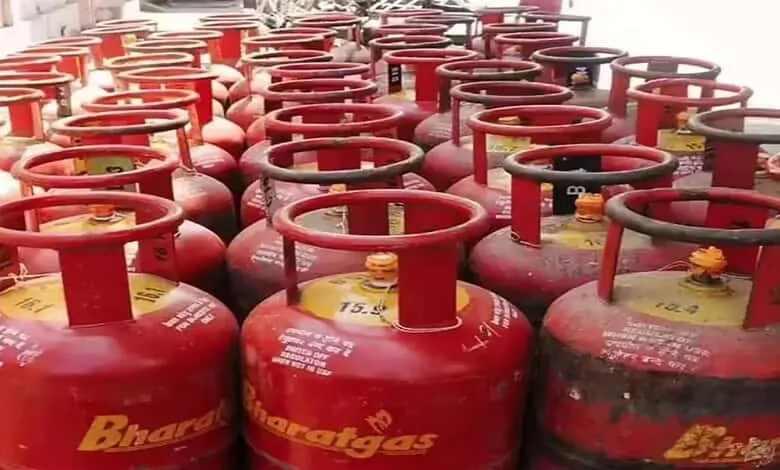
Domestic liquefied petroleum gas (LPG) prices in India have increased by Rs. 60 per cylinder, raising the cost of a standard 14.2-kg cylinder to Rs. 913 in the national capital and similar levels in several major cities. The revision reflects mounting global energy pressures triggered by geopolitical tensions in West Asia. The price hike also affects beneficiaries of the government’s subsidized cooking gas program, although a subsidy continues to soften the financial impact. While cooking gas costs have risen, officials indicated that petrol and diesel prices are likely to remain stable for now, as state-owned fuel retailers possess sufficient financial capacity to absorb fluctuations in crude oil markets.
Domestic LPG Prices Rise Across Major Cities
Households across India are facing higher cooking fuel costs following a Rs. 60 increase in the price of domestic liquefied petroleum gas cylinders. The revision affects the widely used 14.2-kg LPG cylinder, which is a primary source of cooking fuel for millions of families.
Following the adjustment, the price of a non-subsidized cylinder in the national capital has reached Rs. 913, compared with Rs. 853 previously. Similar revisions have been recorded in other metropolitan centers, including Hyderabad and several regional markets.
The increase represents the second upward revision in domestic LPG prices within the past year, reflecting broader global energy market pressures.
Global Energy Dynamics Influence Domestic Pricing
Energy analysts attribute the price increase largely to rising global fuel costs linked to geopolitical tensions in West Asia. The region plays a pivotal role in global energy supply, and disruptions or uncertainty can rapidly influence international crude oil and gas markets.
As the world’s third-largest energy consumer, India remains particularly sensitive to fluctuations in global energy prices. Import dependence for crude oil and related fuels means that domestic pricing adjustments often mirror international trends, especially when supply chains face disruptions.
Although domestic LPG pricing is partially influenced by government policy and subsidy frameworks, global market dynamics continue to play a decisive role in determining retail rates.
Impact on Ujjwala Yojana Beneficiaries
The price increase also affects beneficiaries of the government’s flagship cooking gas initiative designed to expand clean energy access to low-income households.
Under the subsidy structure, eligible households receive financial assistance of Rs. 300 per cylinder for up to 12 refills annually. After accounting for this subsidy, beneficiaries will now pay Rs. 613 for a 14.2-kg LPG cylinder.
While the subsidy cushions the impact of rising prices, the increase still adds to household expenses for millions of families relying on LPG as their primary cooking fuel.
Fuel Retailers Absorb Pressure on Petrol and Diesel
Despite the rise in LPG prices, officials indicated that petrol and diesel rates are unlikely to increase in the immediate term. India’s three major fuel marketing companies have maintained retail fuel prices at relatively stable levels for an extended period.
The country’s primary state-run fuel distributors have reportedly accumulated strong financial reserves following periods of favorable margins earlier in the year. This financial strength allows them to absorb temporary fluctuations in global crude prices without immediately passing costs on to consumers.
Such strategies help stabilize retail fuel markets and limit inflationary pressure on transportation and logistics sectors.
Long Freeze in Retail Fuel Prices
Retail prices of petrol and diesel in India have remained largely unchanged since April 2022. During this period, fuel retailers have adopted a flexible financial strategy, absorbing losses during periods of high crude prices while recovering margins when global energy rates decline.
This approach has helped maintain price stability in domestic fuel markets, even during periods of volatility in global oil benchmarks.
However, maintaining long-term price freezes can place financial pressure on fuel retailers if international crude prices remain elevated for extended periods.
Economic Implications of Rising Cooking Fuel Costs
Increases in cooking gas prices can have broader economic implications, particularly for middle- and lower-income households. LPG remains an essential household energy source, and price adjustments directly affect monthly household budgets.
From a macroeconomic perspective, rising energy costs can also influence inflationary trends. Higher fuel prices may affect food preparation costs, small businesses reliant on LPG, and service industries that depend on cooking fuel.
Economists note that energy pricing policies must balance fiscal sustainability, consumer affordability, and market realities in an import-dependent economy.
Balancing Energy Security and Consumer Protection
India’s energy policy continues to focus on maintaining a balance between market-driven pricing and consumer protection mechanisms. Subsidy programs, targeted welfare schemes, and strategic fuel pricing adjustments are designed to shield vulnerable households from sudden price shocks.
At the same time, policymakers must consider the fiscal implications of large-scale subsidies and the long-term sustainability of energy pricing frameworks.
The challenge lies in ensuring that essential energy supplies remain affordable while preserving financial stability for both government programs and energy companies.
Conclusion
The recent Rs. 60 increase in domestic LPG prices underscores the complex relationship between global energy markets and domestic fuel costs. While subsidies and strategic pricing policies provide some relief to consumers, rising international energy prices continue to influence household expenses.
As geopolitical tensions and global market uncertainties persist, India’s ability to balance energy affordability with fiscal and economic stability will remain a critical policy challenge in the years ahead.
Comments