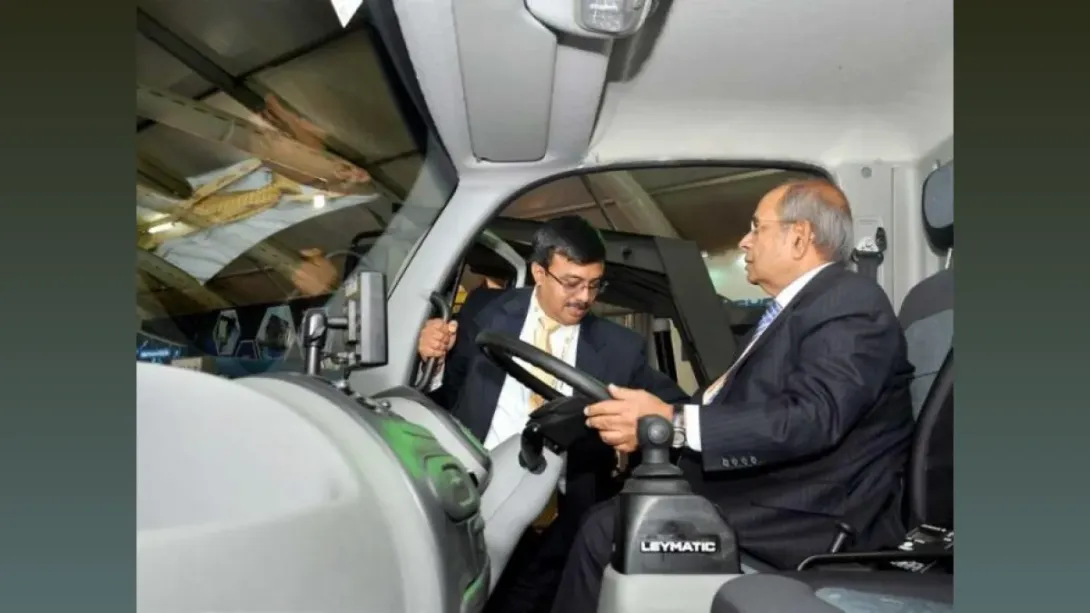
Commercial vehicle manufacturer Ashok Leyland has announced a strategic investment in a battery pack manufacturing unit, reinforcing its long-term commitment to electric mobility and sustainable transportation. The move reflects the company’s effort to strengthen its presence in the rapidly evolving electric vehicle ecosystem while securing critical components required for future production. Industry experts believe that developing in-house battery capabilities can enhance supply chain stability, reduce costs, and support technological innovation. As India accelerates its transition toward cleaner mobility solutions, the investment positions Ashok Leyland to play a more prominent role in the country’s growing electric commercial vehicle market.
Strategic Investment in Electric Mobility Infrastructure
Ashok Leyland has announced an investment in a battery pack manufacturing unit, signaling a decisive step in strengthening its electric vehicle strategy. The investment underscores the company’s commitment to advancing clean mobility solutions and building a more integrated electric vehicle ecosystem.
Battery packs represent one of the most critical and cost-intensive components of electric vehicles. By investing in manufacturing capabilities, Ashok Leyland aims to secure access to essential technology while supporting the scalability of its electric commercial vehicle portfolio.
The development highlights how traditional automotive manufacturers are restructuring their operations to adapt to the global transition toward electrified transportation.
The Growing Importance of Battery Technology
Battery technology lies at the heart of the electric vehicle revolution. Performance, cost efficiency, and reliability of battery systems directly influence vehicle range, operational costs, and overall consumer adoption.
For commercial vehicle manufacturers in particular, battery performance is crucial because fleet operators demand dependable solutions capable of supporting long-distance operations and heavy loads. Efficient battery packs can significantly reduce the total cost of ownership for electric trucks and buses.
By investing in battery manufacturing infrastructure, Ashok Leyland is positioning itself to improve technological capabilities while maintaining tighter control over product quality and supply chain dynamics.
Strengthening the EV Supply Chain
The global electric vehicle industry has faced periodic supply chain disruptions, particularly in areas related to battery components and raw materials. As a result, automakers are increasingly investing in vertically integrated operations to secure reliable access to essential inputs.
Developing domestic battery pack production can reduce reliance on imported components and mitigate logistical challenges. It also enables manufacturers to customize battery systems according to vehicle specifications and operational requirements.
Industry analysts note that such investments are becoming a defining feature of automotive companies aiming to build resilient EV ecosystems.
India’s Push Toward Sustainable Transportation
India has emerged as a significant market for electric mobility, driven by government initiatives aimed at reducing carbon emissions and promoting energy-efficient transportation. Policy measures, financial incentives, and infrastructure investments have encouraged manufacturers to accelerate electric vehicle development.
Commercial vehicles—particularly buses and delivery trucks—are considered an important segment for electrification because they operate extensively in urban areas where emissions reduction can have a substantial environmental impact.
Companies such as Ashok Leyland are therefore investing heavily in research, production facilities, and supply chain partnerships to meet the growing demand for electric mobility solutions.
Competitive Dynamics in the Commercial EV Market
The commercial electric vehicle segment in India is becoming increasingly competitive as multiple automotive companies expand their electrification strategies. Manufacturers are racing to introduce advanced vehicle platforms capable of delivering improved range, durability, and operational efficiency.
Investments in battery technology are central to this competition. Companies that successfully develop efficient battery systems can offer vehicles with lower operating costs and enhanced performance, giving them a significant market advantage.
Ashok Leyland’s latest investment signals its determination to remain competitive as the industry undergoes a transformative shift toward electrified mobility.
Outlook: Building the Future of Electric Transport
The investment in battery pack manufacturing reflects a broader transformation taking place within the automotive industry. As electrification accelerates worldwide, companies must adapt by developing new technological capabilities and restructuring traditional manufacturing models.
For Ashok Leyland, strengthening battery production capabilities could provide both operational flexibility and strategic advantage in the long term. The initiative also aligns with India’s broader sustainability goals and its ambition to become a major hub for electric vehicle manufacturing.
As the electric mobility landscape continues to evolve, investments in core technologies such as battery systems will likely determine which manufacturers emerge as leaders in the next generation of transportation.
Comments