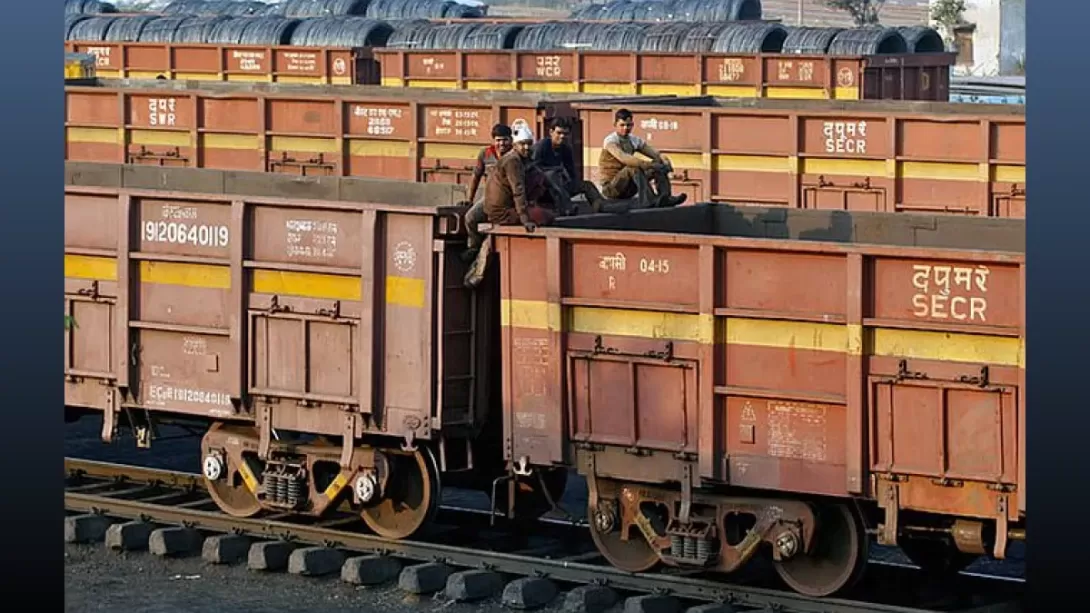
Texmaco Rail & Engineering Ltd is executing a multi-pronged strategy aimed at enhancing operational efficiency and financial performance, with a target EBITDA margin of 12–13% by March 2026. This marks a substantial rise from the 10.3% margin recorded in FY25. The company’s plans hinge on business restructuring, including the demerger of a loss-making unit and merger of a key acquisition, as well as international collaborations in high-speed and freight rail. Despite a temporary dip in quarterly profit due to supply chain issues, Texmaco’s annual profit surged over 120% year-on-year, supported by strong revenue growth and a robust order book.
Operational Focus Shifts Toward Profitability
Texmaco Rail & Engineering Ltd, a leading player in India’s railway manufacturing and infrastructure sector, is undertaking strategic reforms to lift its earnings before interest, taxes, depreciation, and amortization (EBITDA) margins. The company has set a target of achieving 12–13% EBITDA margin by the end of FY26, up from 10.3% in FY25 and 9.5% in the preceding year.
Managing Director Sudipta Mukherjee noted that recent underperformance in margins was largely attributable to a combination of adverse product mix, one-time provisioning of Rs. 11 crore, and a Rs. 5 crore expense toward a long-term vision study. These factors impacted the company’s financial results in the final quarters of FY25.
Restructuring and Demergers to Strengthen Core Business
Texmaco is currently engaged in a strategic overhaul of its business structure. A key part of this initiative is the demerger of Kalindee Rail Nirman (Texmaco EPC), a loss-making unit that has weighed on overall profitability. The demerger, which is in progress, is expected to be completed within the current fiscal year.
In parallel, the company is pursuing a merger with Texmaco West Rail Ltd (formerly Jindal Rail & Infrastructure Ltd), a move aimed at consolidating operations and expanding its freight car manufacturing capacity. This transaction is pending approval from the National Company Law Tribunal (NCLT), and a decision is anticipated by the second quarter of FY26.
These moves underscore Texmaco’s effort to streamline operations and focus on its most profitable verticals.
Q4 Performance Dampened by Supply Constraints
In the quarter ended March 2025, Texmaco posted a 13.5% year-on-year decline in consolidated net profit, which fell to Rs. 39 crore. The company cited margin compression and a shortfall in wheel set supply from the Rail Wheel Factory as key contributors to the decline. This supply bottleneck disrupted freight car deliveries, which dropped to 2,597 units in Q4 from 2,714 units in Q3.
Despite these setbacks, quarterly revenue rose by 17.6% to Rs. 1,346 crore, up from Rs. 1,145 crore in the same period a year earlier—indicating resilient demand for the company’s rolling stock and infrastructure products.
Full-Year Financials Reveal Strong Growth Momentum
Texmaco’s full-year performance painted a much more optimistic picture. Consolidated profit after tax (PAT) more than doubled, reaching Rs. 249 crore in FY25, compared to Rs. 113 crore the previous year—an impressive 120.3% increase. Revenue for the year surged 45.8% to Rs. 5,107 crore, fueled by a robust order inflow and expanded production capabilities.
The company delivered 10,612 freight cars over the fiscal year, reflecting a 51% increase from FY24. As of March 31, 2025, Texmaco’s order book stood at Rs. 6,766 crore, providing strong revenue visibility for the near future.
Strategic Global Alliances and Future Outlook
During the final quarter of FY25, Texmaco cemented two key international partnerships. The first was with European firm Nevomo to explore advanced high-speed rail technologies. The second was a collaboration with U.S.-based Trinity Rail, aimed at strengthening Texmaco’s global presence in rolling stock manufacturing.
In addition, the company is progressing with the transfer of its Infra-Rail and Green Energy businesses into a wholly owned subsidiary, a move designed to isolate and optimize these verticals while enhancing shareholder value.
Texmaco is positioning itself to benefit from India's long-term rail infrastructure goals. The central government’s ambition to increase railways' share in national logistics from 27% to 45% by 2030 is expected to generate significant demand for freight wagons—estimated at 1.2 lakh units by 2025.
“With an annual production capacity of 13,000 wagons, we are well-equipped to meet a significant portion of this demand,” Mukherjee affirmed.
Conclusion: Engineering a Turnaround Through Strategy and Scale
Texmaco Rail & Engineering is at a critical juncture in its transformation journey. Backed by strategic divestitures, targeted mergers, and forward-looking global partnerships, the company is sharpening its focus on profitability and scalability. While near-term challenges persist, particularly in supply chains and product mix, Texmaco’s strong order pipeline and policy tailwinds in Indian rail infrastructure present a compelling case for long-term value creation.
By FY26, if the company successfully delivers on its EBITDA margin target and strategic roadmap, Texmaco could emerge as a leading force not only in domestic rail engineering but also as a notable player in the global transport manufacturing ecosystem.
Comments