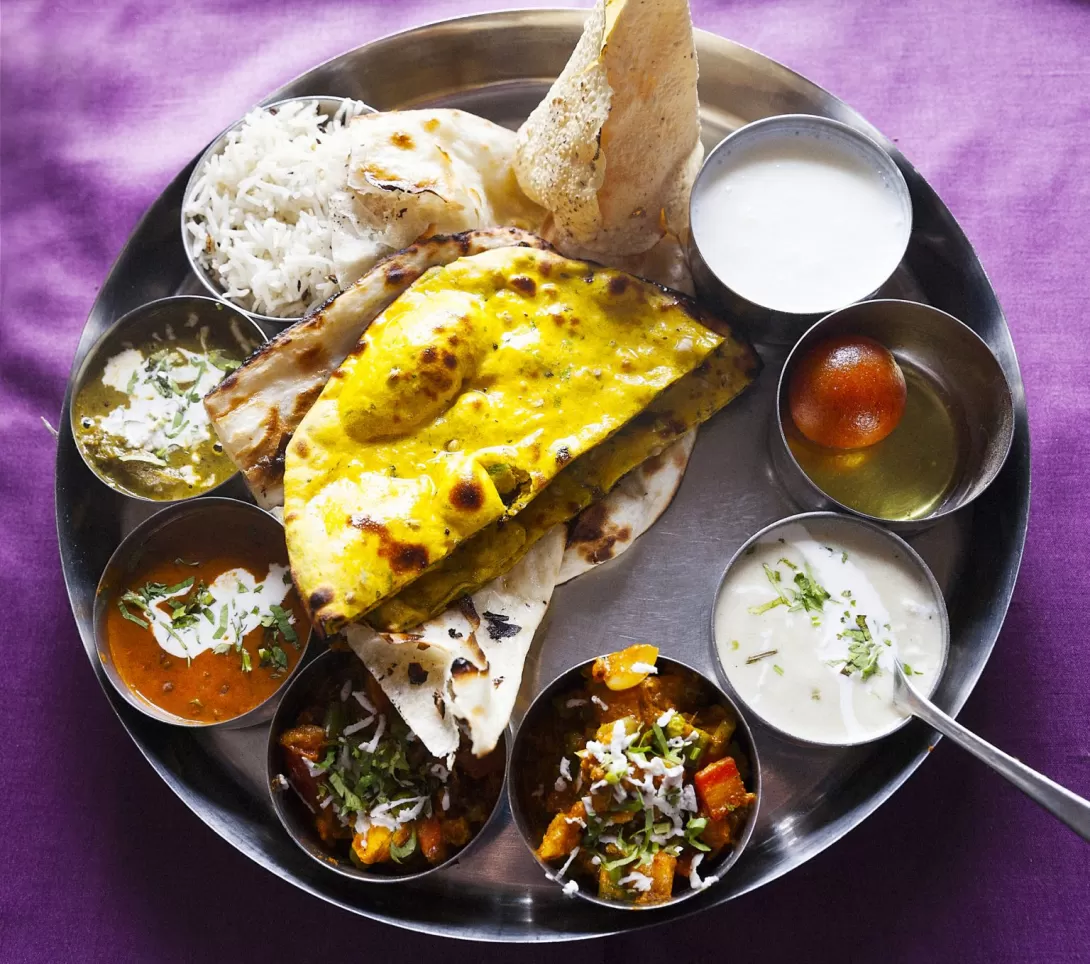
According to the latest 'Roti Rice Rate' report by Crisil, home-cooked meal prices have seen a slight decline due to lower vegetable costs. The report reveals that the price of a vegetarian thali fell marginally, while non-vegetarian thalis saw a more significant drop in May 2025 compared to April 2025 and the same period last year. The decrease is largely attributed to a sharp fall in vegetable prices, particularly tomatoes, onions, and potatoes, as well as a drop in broiler prices. However, certain costs like vegetable oil and LPG saw a rise, partially offsetting the overall decline.
Overview: Falling Meal Prices Amid Seasonal Shifts
Home-cooked meals, often considered an essential part of India’s daily diet, have seen a modest decline in price in recent months. According to the Roti Rice Rate report by Crisil, the cost of a vegetarian thali in May 2025 decreased to Rs. 26.2, down from Rs. 26.3 in April 2025 and Rs. 27.8 in May 2024. Similarly, the price of a non-vegetarian thali fell more significantly, coming down to Rs. 52.6 from Rs. 53.9 in April 2025 and Rs. 55.9 in May 2024.
The reduction in meal costs has been driven by lower vegetable prices, with a marked drop in the cost of essential ingredients such as tomatoes, onions, and potatoes. However, the impact of this price decline is somewhat tempered by rising costs of certain inputs like vegetable oil and liquefied petroleum gas (LPG), which have increased over the past year.
Vegetable Prices Lead the Price Drop for Thalis
The largest contributor to the reduction in meal prices is the sharp drop in vegetable costs. Tomatoes, onions, and potatoes saw a notable decrease compared to last year. Specifically, tomato prices fell by 29%, onions dropped by 15%, and potatoes became 16% cheaper.
In 2024, tomato prices had surged due to lower yields, compounded by adverse weather conditions. Similarly, potato prices spiked due to crop infestations in West Bengal, while onion prices had risen because of low yields in major producing regions like Maharashtra and Karnataka. In contrast, this year’s seasonal improvements and higher availability of these vegetables have resulted in their price reductions, making home-cooked meals more affordable for Indian households.
The Role of Broiler Prices in Non-Vegetarian Meal Costs
For non-vegetarian meals, the price drop was even more pronounced. The cost of a non-veg thali saw a sharp 2.4% decline from Rs. 53.9 in April to Rs. 52.6 in May 2025. The reduction in prices is largely attributed to a 6% fall in broiler prices.
Broilers, which contribute significantly to the cost of non-vegetarian thalis (around 50% of the overall cost), experienced a price dip due to an oversupply in the market. Additionally, lower demand following the bird flu outbreaks in parts of Maharashtra, Andhra Pradesh, Telangana, and Karnataka, led to a reduction in poultry prices. This combination of oversupply and reduced consumer demand has helped alleviate some of the cost pressures on meat-based dishes.
Counteracting Factors: Vegetable Oil and LPG Price Rises
While there was a notable reduction in prices of vegetables and broilers, the decline in meal prices was partially offset by increases in other critical costs. Vegetable oil prices saw a 19% jump compared to last year, largely due to rising import duties, which directly impacted the cost of cooking oils. Additionally, LPG prices increased by 6%, affecting both household cooking costs and the overall price of prepared meals. These factors somewhat counterbalanced the price drops in vegetables and poultry, limiting the extent of the overall cost reduction for home-cooked meals.
Seasonal Outlook and Future Price Expectations
Looking ahead, Pushan Sharma, director of Crisil Intelligence, has indicated that while vegetable prices are expected to remain favorable in the near term, seasonal variations could lead to an uptick in certain vegetable prices. As the monsoon season progresses, weather fluctuations could impact the supply of key produce, causing some prices to rise.
Additionally, wheat and pulse prices are expected to ease slightly due to strong domestic output. However, the export demand for rice is forecasted to increase by 20-25%, driven by competitive pricing in global markets. This rise in export activity may have an indirect effect on domestic rice prices, potentially influencing overall meal costs.
Conclusion: A Mixed Bag for Home-Cooked Meal Prices
In conclusion, while the Roti Rice Rate report highlights a modest decline in the cost of home-cooked meals, the situation remains fluid. The decrease in vegetable and broiler prices has certainly provided some relief for consumers, particularly in the context of inflationary pressures on food prices. However, increased costs of vegetable oils and LPG serve as a reminder that the dynamics of food pricing are complex and often subject to competing forces.
As consumers adjust to these price fluctuations, it will be important to watch for any seasonal changes in vegetable prices and other market factors that could influence future meal costs. For now, the drop in thali prices offers a glimpse of hope for households grappling with rising food costs, but caution remains as further volatility in commodity prices may affect affordability in the coming months.
Comments