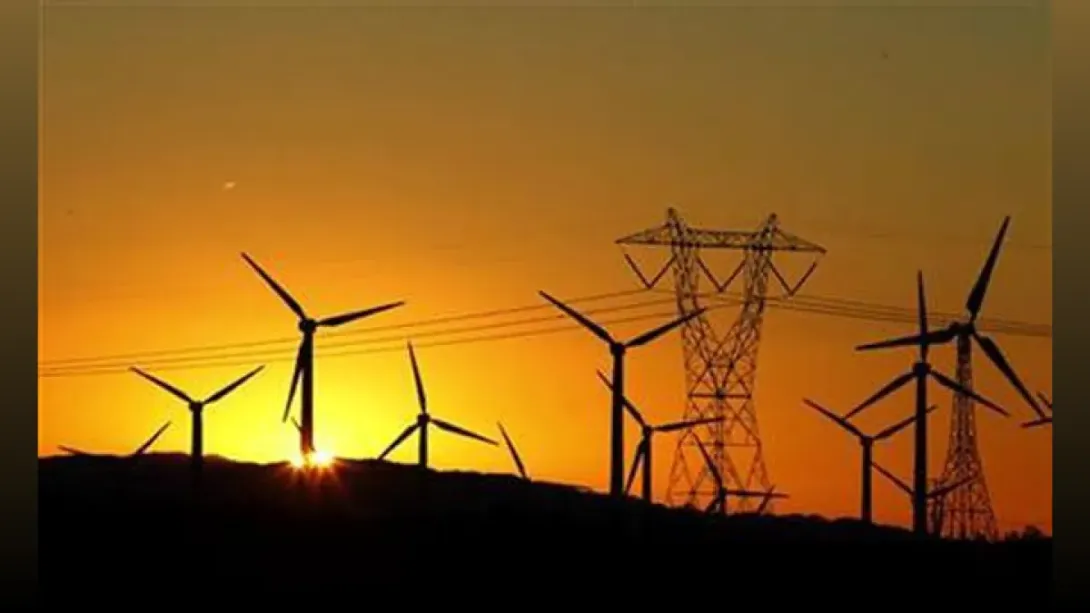
BluPine Energy, a prominent Actis-backed renewable energy firm, has secured a substantial Rs. 2,416 crore in debt financing to develop a 150 MW Firm and Dispatchable Renewable Energy (FDRE) project in Aland, Karnataka. The initiative, led by subsidiary Solarcraft Power India 16 Pvt Ltd, is part of a larger 1,500 MW FDRE tender issued by SJVN in June 2023. Combining solar, wind, and battery storage, the project aims to mitigate renewable energy intermittency and enhance grid reliability. Expected to be commissioned by 2026, the plant will also help reduce carbon emissions by over 687,000 tonnes annually.
Strategic Financing to Drive Renewable Integration
BluPine Energy announced on Monday that it has achieved financial closure for its upcoming FDRE project through a Rs. 2,416 crore debt facility. The funds will support the construction and development of a hybrid renewable project that will integrate solar, wind, and battery storage technologies. This marks a crucial advancement in delivering firm and dispatchable renewable energy, a growing priority in India's evolving power landscape.
The financing was arranged by Standard Chartered Bank, which served as the Mandated Lead Arranger, Lender, Sole Green Coordinator, and Account Bank, signaling strong institutional confidence in the project's viability and alignment with green financing principles.
Project Details and Strategic Importance
The 150 MW hybrid project is being developed by BluPine Energy's wholly-owned subsidiary, Solarcraft Power India 16 Pvt Ltd, under the umbrella of the 1,500 MW FDRE tender released by state-run SJVN on June 20, 2023.
The project is designed to be firm and dispatchable, meaning it can deliver power consistently and on demand—a key requirement for India's power grid. This is achieved through the integration of multiple renewable sources supported by battery energy storage systems (BESS), enabling the project to smooth out the intermittent nature of solar and wind power and ensure peak-time availability for DISCOMs.
Sustainability and Emission Reduction Impact
BluPine Energy’s project is expected to become operational by calendar year 2026. Once commissioned, it is projected to reduce carbon dioxide emissions by approximately 687,043 tonnes annually, underscoring its role in India’s decarbonization efforts and sustainable energy transition.
The project aligns with India’s ambitious renewable energy targets and supports broader climate action goals by contributing reliable green power to the national grid. The emphasis on firm and dispatchable capacity also reflects a maturing approach to clean energy integration—one that accounts for both demand-side reliability and environmental sustainability.
Stakeholder Perspectives
Sanjeev Bhatia, Chief Financial Officer at BluPine Energy, highlighted the importance of the FDRE framework:
“This financial assistance facilitates us in building the need-of-hour FDRE projects—a mix of solar, wind, and battery energy storage assets—which helps in overcoming intermittency of renewable energy sources and providing critical support to DISCOMs during peak demand hours.”
Echoing similar sentiments, Prasad Hegde, Regional Head of Infrastructure & Development Finance Group at Standard Chartered India and South Asia, stated:
“We are delighted to be the first port of call and primary relationship bank to BluPine in India and ensure timely financial closure of their projects.”
Conclusion: A Blueprint for Future Energy Development
This financing milestone not only affirms the commercial viability of FDRE-based hybrid projects in India but also sets a precedent for future renewable infrastructure developments. With regulatory momentum and institutional support building around energy transition goals, BluPine Energy’s project in Karnataka is poised to serve as a benchmark for similar ventures seeking to align grid stability with sustainability.
Such forward-looking initiatives will be crucial in India’s journey toward achieving 500 GW of non-fossil fuel energy capacity by 2030—where firm renewables are expected to play a pivotal role.
Comments