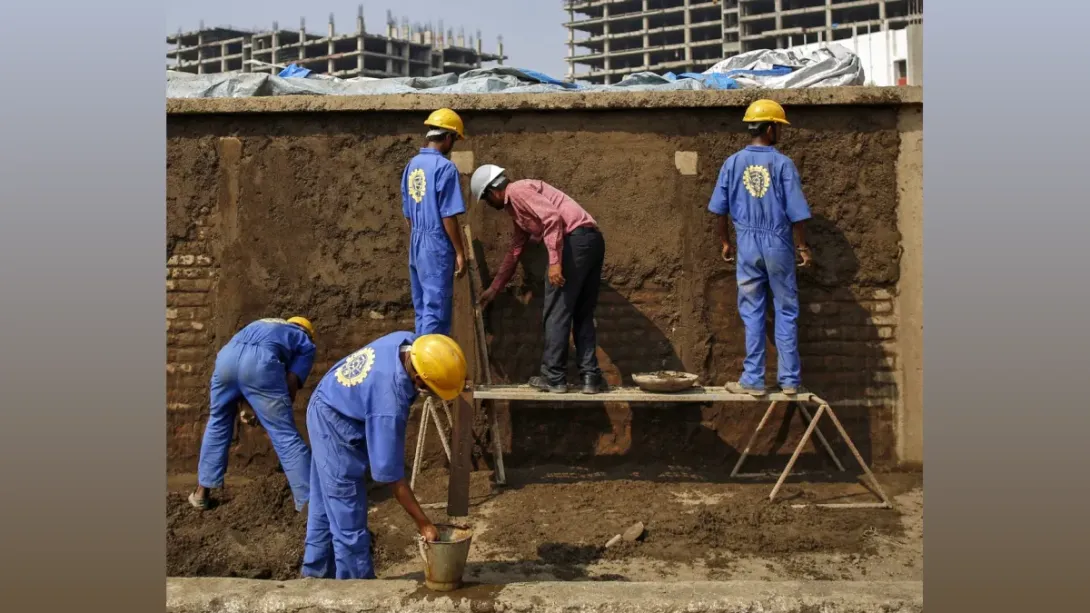
In a move that underscores shifting global labor dynamics, Russia is reportedly preparing to welcome up to one million Indian workers to support its ambitious infrastructure and economic development goals. Facing domestic labor shortages exacerbated by geopolitical strains and demographic challenges, Russia views India’s vast, skilled, and cost-effective workforce as a critical resource. This prospective arrangement highlights deepening economic ties between the two nations, while offering India an opportunity to channel surplus labor into productive overseas engagements. However, it also raises important considerations around worker protections, cultural integration, and long-term geopolitical implications.
---
Russia’s Urgent Need for Skilled Labor
As Russia pushes forward with extensive infrastructure modernization and industrial expansion plans, it finds itself grappling with acute labor shortages. A shrinking working-age population — compounded by the ongoing impact of international sanctions and geopolitical isolation — has intensified the urgency to secure external human resources.
By targeting up to one million Indian workers, Russia is seeking to rapidly bridge critical gaps across sectors such as construction, heavy engineering, agriculture, and possibly even specialized services. For Moscow, tapping into India’s large pool of both blue-collar and semi-skilled talent is a pragmatic step to keep its economic machinery running efficiently.
---
Why India Fits Russia’s Workforce Strategy
India brings to the table a compelling blend of demographic strength, technical proficiency, and adaptability. With a young population and surplus labor in key trades, India is well-positioned to meet Russia’s diverse workforce needs.
Moreover, longstanding diplomatic ties and recent efforts to strengthen economic cooperation provide a favorable backdrop for such large-scale labor mobility. Russian authorities are reportedly considering frameworks to simplify work permits and facilitate smoother onboarding, signaling their commitment to this strategic partnership.
---
Potential Gains and Complex Challenges
For India, this arrangement could help alleviate domestic employment pressures and open up new remittance streams that bolster rural economies back home. It also reinforces India’s growing reputation as a global provider of human capital, complementing its established dominance in IT and professional services exports.
However, sending such a significant number of workers abroad introduces complexities. Issues related to fair wages, working conditions, legal rights, and cultural acclimatization will require careful bilateral coordination. Labor experts stress the need for robust safeguards to ensure that migrant workers are protected from exploitation and enjoy adequate social support in their host country.
---
Broader Geopolitical and Economic Implications
This evolving workforce corridor also speaks to a deeper geopolitical realignment. As Russia looks eastward for economic resilience amid strained Western relations, India emerges as a pivotal partner not only in trade and energy but now also in human resources.
At the same time, such large-scale labor flows underscore how global demographic imbalances are reshaping traditional migration routes. With Europe and Russia both confronting aging populations, countries like India stand to play an increasingly central role in supplying talent to sustain global growth trajectories.
Comments