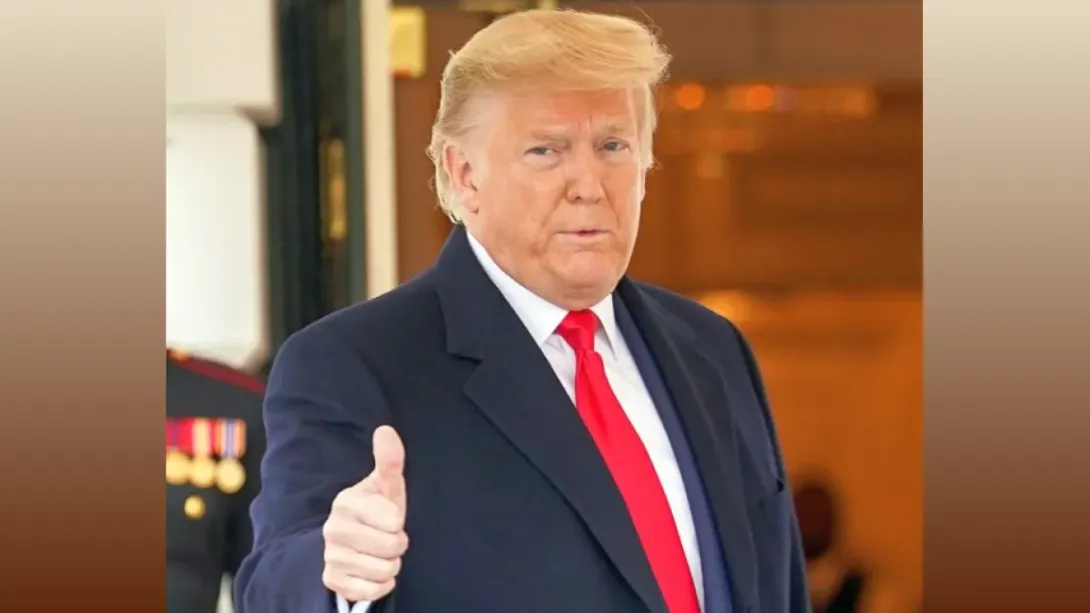
U.S. President Donald Trump has reignited debate on global trade policy by suggesting tariff measures against India in response to its imports of discounted Russian oil. His remarks underline concerns in Washington over India’s continued engagement with Moscow, despite Western sanctions aimed at curbing Russia’s revenue streams. While India has defended its stance as a matter of securing affordable energy for a growing economy, Trump’s statements indicate that U.S.-India trade relations could face friction if such a policy were enacted. The issue highlights the delicate balance between energy security, geopolitics, and trade diplomacy.
India’s Position on Russian Oil
India has emerged as one of the largest buyers of discounted Russian crude since the onset of the Ukraine conflict. Officials in New Delhi have consistently emphasized that the purchases are based on economic necessity, helping to stabilize domestic fuel prices in a volatile global energy market. With India’s energy demand projected to double over the next two decades, access to affordable supplies remains a cornerstone of its economic strategy.
Trump’s Trade Rhetoric
During his political tenure, Trump was known for his aggressive stance on tariffs and trade imbalances. His latest remarks revive those themes, framing India’s imports of Russian oil as a challenge to U.S. strategic interests. Should such measures materialize under a future administration, tariffs could complicate one of the fastest-growing bilateral trade relationships in the world, potentially affecting sectors far beyond energy, including technology, pharmaceuticals, and services.
Geopolitical Underpinnings
The issue goes beyond economics. Washington has sought to isolate Moscow through sanctions, while New Delhi has pursued a policy of strategic autonomy—maintaining strong ties with both Western capitals and Russia. Trump’s tariff warning underscores the possibility of renewed tensions over India’s balancing act, particularly if the U.S. adopts a more hardline approach to enforcing compliance with its sanctions regime.
Economic Implications for India
Any U.S. tariff measures targeting India could reverberate across multiple industries. India’s exports to the United States—ranging from textiles and gems to IT services—support millions of jobs and contribute significantly to foreign exchange earnings. A tariff war would not only disrupt trade but could also unsettle investor sentiment at a time when India is positioning itself as a global manufacturing hub and a viable alternative to China.
The Road Ahead
Trump’s comments are not official policy but they signal how global trade and geopolitics may intersect in the years ahead. For India, the challenge will be to safeguard its energy security while maintaining its vital trade relationship with the United States. For Washington, balancing strategic pressure on Moscow with long-term ties to New Delhi will require nuanced diplomacy. The outcome will shape not only bilateral relations but also the broader contours of the global economic order.
Comments