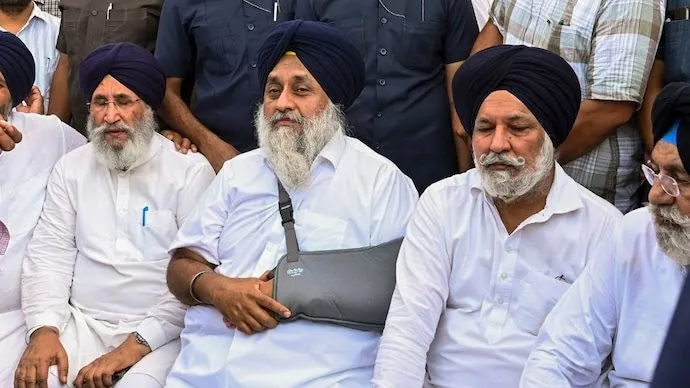
The Shiromani Akali Dal (SAD) has publicly criticized the government’s new health model, arguing that it falls short in addressing systemic issues and equitable access to healthcare. Party leaders highlighted concerns over infrastructure inadequacies, resource allocation, and the effectiveness of proposed schemes in rural and semi-urban areas. They urged the government to adopt a more inclusive and decentralized approach, emphasizing preventive care, transparency, and public accountability. Analysts suggest that this critique could intensify political debate ahead of forthcoming state elections, reflecting broader tensions over healthcare policy implementation and governance in India.
---
Party’s Critique of the Health Model
Akali Dal officials claim the government’s health initiatives focus disproportionately on urban centers, neglecting the pressing needs of rural populations. They argue that while digital health platforms and centralized schemes are well-intentioned, they fail to ensure timely care, local accessibility, and adequate staffing at primary health centers.
The party also raised concerns about financial management and the prioritization of funds, urging authorities to optimize resource allocation to improve patient outcomes and reduce systemic inefficiencies.
---
Recommendations for Reform
SAD has recommended a more decentralized approach to healthcare delivery, empowering district and block-level administrations to manage medical infrastructure, staffing, and outreach programs. The party emphasized strengthening preventive care, enhancing immunization coverage, and increasing public awareness of health initiatives.
Additionally, they called for increased transparency in policy implementation, advocating independent audits and feedback mechanisms to monitor effectiveness and address grievances promptly.
---
Political and Public Implications
The criticism comes amid heightened scrutiny of government performance in delivering essential services. Analysts note that health policy is likely to become a key focal point in public discourse, with opposition parties leveraging perceived gaps in implementation to influence voter sentiment.
SAD’s intervention may prompt the government to revisit its strategies, potentially adjusting allocation priorities, strengthening rural outreach, and improving monitoring mechanisms to bolster credibility.
---
Outlook
As debates continue over the government’s health model, there is potential for policy recalibration aimed at balancing innovation with inclusivity. Experts suggest that successful reforms will require collaboration between government authorities, local administrations, healthcare professionals, and community stakeholders to ensure that the system serves all sections of society effectively.
The ongoing discourse underscores the importance of healthcare governance in India, highlighting the need for sustainable, transparent, and community-focused solutions.
Comments