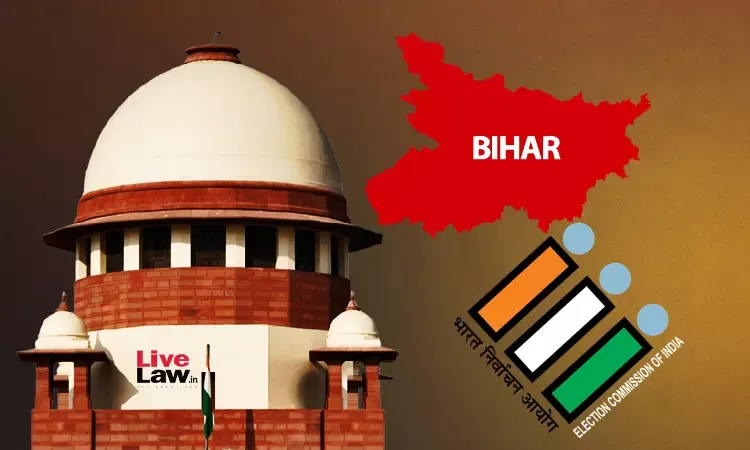
Bihar, one of India’s most politically dynamic states, continues to grapple with the complex interplay of economic aspirations, governance reforms, and persistent social challenges. Once synonymous with underdevelopment, the state has made noticeable strides in infrastructure, education, and agriculture. Yet, issues such as unemployment, poverty, and law-and-order concerns remain deeply entrenched. As political leadership strives to strike a balance between welfare schemes and long-term growth strategies, Bihar stands at a critical juncture. The coming years will determine whether it can successfully transition from its historical struggles into a model of inclusive and sustainable development.
Political Landscape
Bihar’s political climate remains one of the most closely watched in India. With shifting alliances, strong regional identities, and frequent electoral battles, the state serves as a testing ground for broader national political strategies. Leaders in Bihar are under constant pressure to address governance gaps while also responding to the aspirations of a youthful population eager for jobs, better infrastructure, and modern opportunities.
Economic Development and Infrastructure
In recent years, Bihar has expanded road networks, improved electricity access, and enhanced digital connectivity. These investments have begun to bridge the gap between rural and urban regions. However, the state’s per capita income still lags behind the national average, underlining the need for deeper industrialization, private investment, and skill development programs. The challenge lies in translating infrastructural progress into sustained economic transformation.
Education and Employment
Bihar has historically faced hurdles in education quality, though enrollment levels have improved significantly due to government incentives. However, concerns over skill gaps and employability persist. Youth unemployment remains a pressing issue, with many seeking opportunities outside the state. Analysts argue that aligning educational reforms with market needs will be essential to prevent brain drain and ensure long-term prosperity.
Social Challenges
Alongside economic ambitions, Bihar continues to contend with issues such as poverty alleviation, gender inequality, and healthcare deficiencies. While government welfare schemes have expanded access to resources, critics contend that structural problems—such as inadequate medical facilities and rural poverty—need long-term institutional solutions rather than short-term fixes.
The Road Ahead
Bihar’s path forward depends on a balance between political stability, economic reforms, and social development. With one of India’s youngest populations, the state holds immense potential to reshape its future if it can capitalize on human capital, attract investment, and strengthen governance. The question remains whether Bihar will remain caught between legacy issues and aspirations, or rise as a true engine of growth in eastern India.
Comments