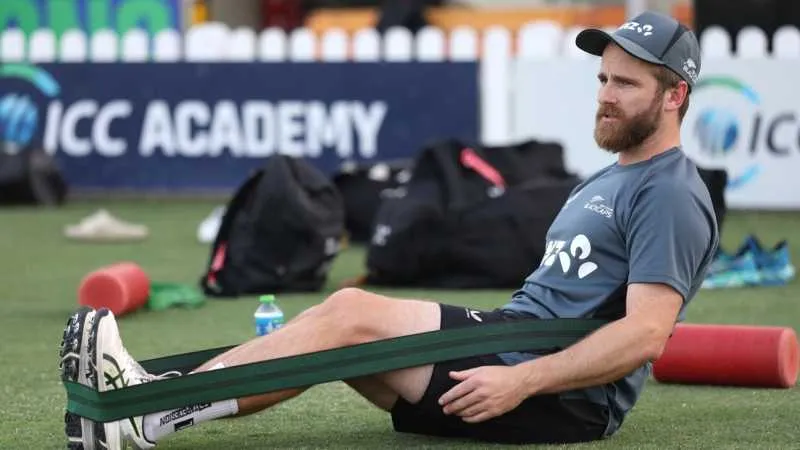
New Zealand skipper Kane Williamson will not feature in the upcoming series against Australia after opting out under a casual playing agreement with New Zealand Cricket (NZC). The arrangement, designed to provide senior players greater flexibility, allows Williamson to manage workload and personal commitments while remaining central to the team’s long-term plans. His absence, though significant, reflects a growing trend in modern cricket where boards prioritize player well-being and career longevity over continuous availability. While fans will miss his presence in the high-profile series, NZC has reiterated its commitment to balancing competitiveness with sustainable player management.
Williamson’s Decision and Its Context
Kane Williamson, regarded as one of world cricket’s most reliable batsmen, chose to withdraw from the Australia series under NZC’s casual contract framework. The system grants senior players the option to selectively participate in bilateral tours, ensuring they can manage personal obligations and professional fatigue. Williamson’s decision underscores the evolving nature of modern cricket contracts, which increasingly accommodate the physical and mental demands placed on elite players.
The Casual Agreement Framework
Introduced by NZC to address growing concerns around player burnout, the casual agreement model offers established cricketers flexibility without severing ties with the national team. It acknowledges that the international calendar has become overcrowded, with players balancing Tests, ODIs, T20Is, and franchise commitments worldwide. By allowing temporary opt-outs, the board aims to retain top talent while safeguarding their long-term careers.
Implications for the Australia Series
Williamson’s absence will be felt keenly, particularly given the intensity of trans-Tasman contests. His experience and ability to anchor innings have often proven decisive against Australia’s formidable bowling attack. In his stead, the responsibility will fall on younger batters and the leadership group to maintain competitive standards. Analysts believe the series will provide an important testing ground for New Zealand’s bench strength, offering emerging players a chance to step into bigger roles.
Broader Impact on Cricket Management
The move reflects a wider trend in international cricket, where boards are experimenting with flexible contracts to retain star players in the face of lucrative franchise leagues. It highlights the shift from rigid commitments to a more pragmatic approach, recognizing that elite athletes require tailored schedules to perform consistently. For Williamson, it also offers an opportunity to balance international responsibilities with personal life, a factor increasingly prioritized by modern athletes.
Conclusion
Kane Williamson’s decision to miss the Australia series under NZC’s casual agreement illustrates the shifting landscape of international cricket. While his absence poses challenges for New Zealand, it also signals a progressive approach to player welfare and workload management. As cricket continues to navigate the balance between tradition and modernity, such agreements may become pivotal in ensuring both competitiveness and the longevity of its brightest stars.
Comments