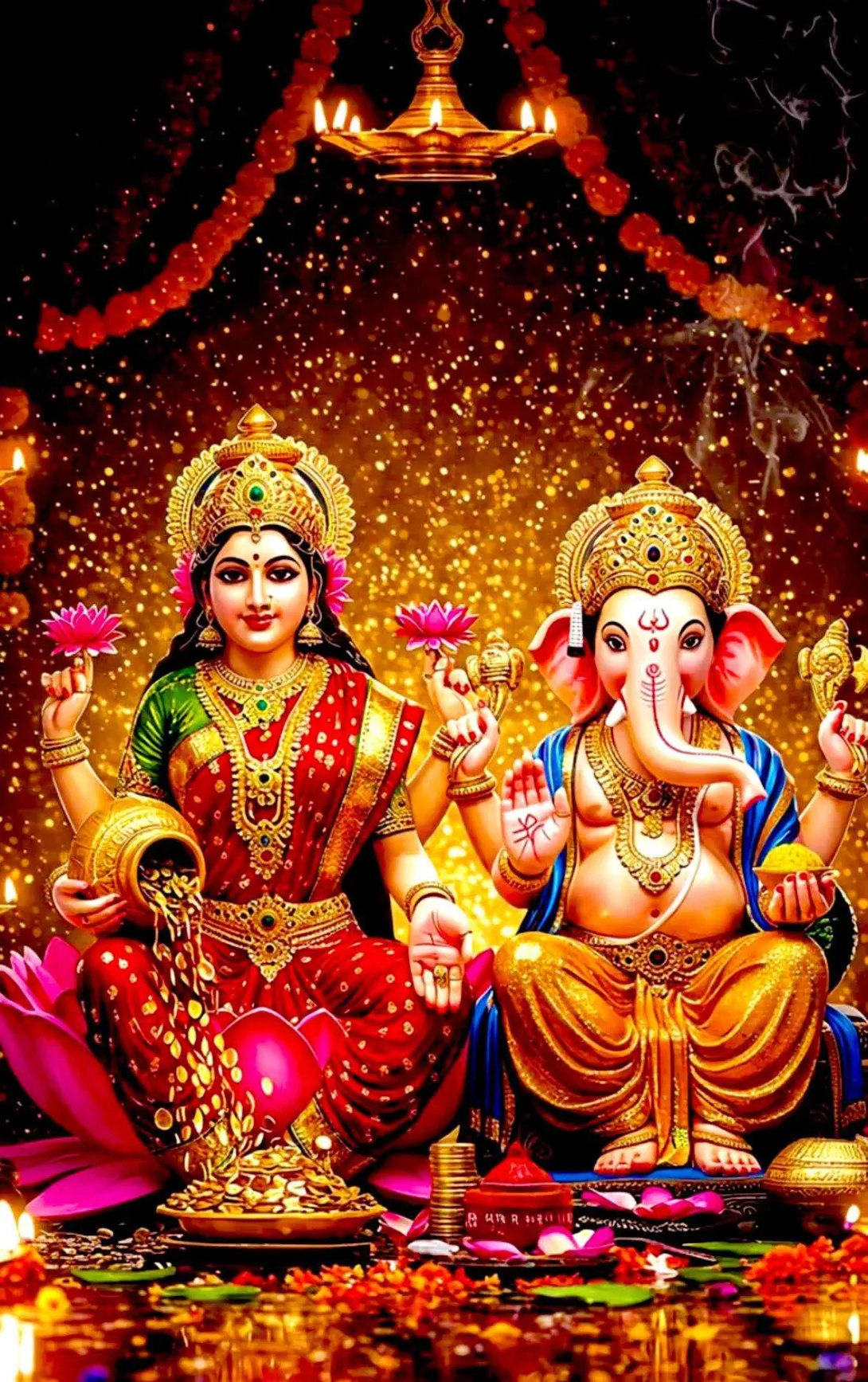
Choti Diwali, also known as Naraka Chaturdashi, marks the day before the grand celebration of Diwali. Rooted in mythology and tradition, it symbolizes the victory of light over darkness and good over evil. Across India, families cleanse and decorate their homes, light lamps, and prepare sweets in anticipation of Diwali. The day commemorates Lord Krishna’s triumph over the demon Narakasura, a reminder that righteousness ultimately prevails. Beyond its religious essence, Choti Diwali embodies renewal, positivity, and gratitude—offering a moment of reflection and togetherness before the exuberance of the main festival begins.
The Mythological Significance
Choti Diwali draws its origins from the legend of Narakasura, a demon king who terrorized the world with arrogance and cruelty. According to Hindu scriptures, Lord Krishna, aided by his consort Satyabhama, defeated Narakasura on this day, liberating thousands from his tyranny. The event symbolizes the restoration of dharma and the eternal triumph of virtue over vice. Lighting diyas (earthen lamps) and performing rituals on Choti Diwali are acts of remembrance and reverence, expressing gratitude for the dispelling of darkness—both literal and spiritual.
Traditional Practices and Celebrations
The observance of Choti Diwali varies across India but is united by a shared sentiment of joy and renewal. Homes are meticulously cleaned, adorned with rangoli designs, and illuminated with lamps to welcome prosperity and divine blessings. Many people wake up before dawn for an oil bath, believed to purify the body and soul. Families exchange sweets and gifts, symbolizing harmony and goodwill. In several regions, people also burst fireworks, mirroring the radiance of the upcoming Diwali night. The preparations on this day set the emotional and cultural tone for the festivities that follow.
Spiritual and Cultural Meaning
Beyond the mythological narrative, Choti Diwali carries profound philosophical meaning. The lighting of diyas represents the removal of ignorance and the awakening of inner light. It encourages self-reflection—urging individuals to overcome negativity, pride, and fear. The ritual of cleansing one’s home is metaphorically linked to cleansing one’s mind and spirit. As families gather and communities unite, the festival becomes not only a celebration of light but also of shared humanity and gratitude.
Modern Observance and Sustainability
In recent years, there has been a growing awareness about celebrating Choti Diwali responsibly. Many families now opt for eco-friendly decorations and minimal fireworks to reduce pollution. The emphasis is gradually shifting toward mindfulness, sustainability, and community welfare—reflecting a modern interpretation of age-old values. Despite evolving lifestyles, the essence of Choti Diwali remains unchanged: the pursuit of light, hope, and renewal in an ever-changing world.
Conclusion
Choti Diwali serves as a serene interlude before the exuberant festivities of Diwali. It reminds people that before light illuminates the world, it must first shine within. Whether through rituals, reflection, or the warmth of family gatherings, the day reinforces timeless ideals—hope, humility, and harmony. In an age defined by speed and noise, Choti Diwali offers a moment of pause—a reminder that the true glow of the festival lies not just in lamps, but in the spirit of enlightenment they represent.
Comments