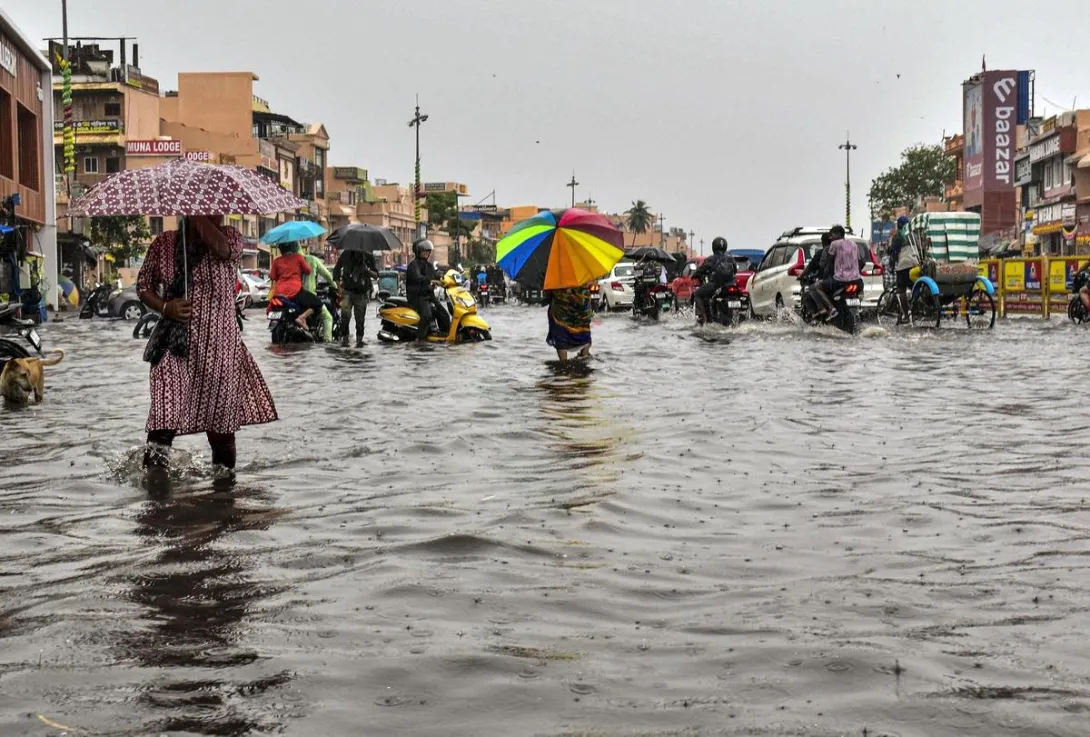
Odisha has been placed on high alert as an approaching cyclonic system over the Bay of Bengal intensifies, prompting state authorities to initiate precautionary measures along coastal districts. The government has issued advisories urging fishermen to refrain from venturing into the sea, while disaster management teams prepare for potential landfall. With forecasts indicating strong winds, heavy rainfall, and possible tidal surges, evacuation plans and relief infrastructure are being activated. The state’s disaster response units, known for their swift coordination, are on standby to mitigate the storm’s impact, ensuring both human safety and the protection of critical infrastructure.
Cyclone Warning and Meteorological Developments
Meteorological officials have warned that a low-pressure area over the central Bay of Bengal is likely to intensify into a cyclonic storm within the next 48 hours. The system is expected to move northwestward, influencing weather conditions across the eastern coastline. Coastal districts including Ganjam, Puri, Kendrapara, and Jagatsinghpur have been identified as vulnerable zones, with forecasts predicting wind speeds exceeding 80 kmph and heavy to extremely heavy rainfall.
The Indian Meteorological Department (IMD) has advised fishermen to suspend all fishing operations and return to shore immediately. Sea conditions are projected to become increasingly rough, posing significant risk to small and medium vessels.
Government Preparedness and Disaster Management
The Odisha government has activated its disaster preparedness protocol, ensuring that local administrations remain vigilant. Control rooms have been set up in coastal districts, and early warning systems are operational to disseminate real-time updates to communities in low-lying areas.
Special Relief Commissioner (SRC) Satyabrata Sahu stated that all relevant agencies—including the Odisha Disaster Rapid Action Force (ODRAF), National Disaster Response Force (NDRF), and fire services—are on standby for immediate deployment. Relief shelters, emergency stockpiles of food and medicine, and power restoration units have been strategically positioned to respond to post-cyclone disruptions.
The Chief Minister held a review meeting to assess readiness and directed district collectors to ensure zero casualties through timely evacuation and community coordination.
Evacuation Measures and Community Awareness
In regions prone to flooding and storm surges, authorities have begun identifying vulnerable households for potential evacuation. Fishermen, farmers, and coastal dwellers are being briefed through local communication networks, including public address systems, village volunteers, and mobile alerts.
Schools and public buildings have been earmarked as temporary shelters, equipped with drinking water, electricity backup, and medical assistance. NGOs and community organizations have also joined hands with local officials to assist in awareness campaigns, ensuring that residents understand both the risk and the safety procedures.
“The state’s preparedness model is among the best in the country,” noted a senior official, “but public cooperation remains the key to minimizing loss.”
Economic and Environmental Implications
Cyclonic events often have cascading effects on local economies, particularly in agriculture, fisheries, and infrastructure. Odisha’s extensive coastal belt is home to thousands of small-scale fishermen whose livelihoods depend on stable weather and marine conditions. Prolonged restrictions on fishing and port operations may temporarily affect incomes and supply chains, including seafood exports.
Experts warn that repeated climatic disruptions highlight the growing vulnerability of India’s eastern coastline to extreme weather. The state’s efforts in promoting mangrove restoration and coastal embankments are being seen as crucial in mitigating environmental damage and maintaining ecological balance.
Past Experience and Future Resilience
Odisha has earned international recognition for its robust disaster management practices following past cyclones such as Fani (2019) and Yaas (2021). Lessons from those experiences have shaped a comprehensive response framework combining technology, infrastructure resilience, and community participation.
This time, authorities are emphasizing proactive communication and digital coordination to track the cyclone’s trajectory and inform citizens promptly. Drone surveillance, satellite data, and GPS-enabled rescue teams are expected to enhance response speed and accuracy.
Outlook
As the cyclonic system inches closer to the coast, Odisha remains vigilant but prepared. The immediate priority is safeguarding human lives and minimizing infrastructural damage. While nature’s power cannot be controlled, disciplined preparedness, technological foresight, and community cooperation may once again enable the state to weather the storm with resilience and resolve.
Comments