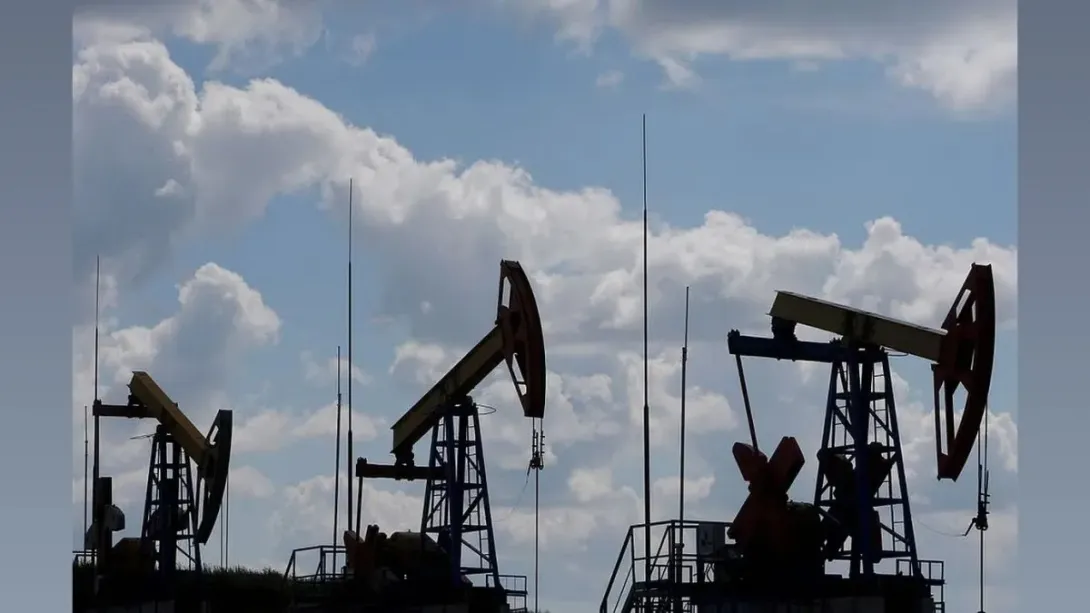
India’s state-owned oil and gas explorer ONGC Videsh Ltd. is grappling with a significant financial challenge as approximately USD 350 million (Rs. 2,900 crore) of its dividend income remains stranded in Russia. The funds, originating from its investments in the Sakhalin-1 oil and gas project, have been trapped due to global sanctions, regulatory hurdles, and payment restrictions linked to the ongoing conflict in Ukraine. This financial bottleneck highlights the broader risks Indian energy companies face in politically volatile geographies and underscores the growing complexity of navigating international energy investments.
ONGC Videsh’s Russian Exposure
ONGC Videsh, the overseas investment arm of Oil and Natural Gas Corporation (ONGC), has maintained a longstanding presence in Russia, holding a 20% stake in the Sakhalin-1 project, one of the largest integrated oil and gas fields in the Far East. The project has been a lucrative venture for India, ensuring both steady returns and critical energy supplies. However, since the escalation of the Russia-Ukraine conflict in 2022, financial repatriation has been severely disrupted, leaving dividend payments blocked.
Geopolitical Headwinds and Payment Blockade
The entanglement of Indian firms in Russian ventures has intensified amid Western sanctions and restrictions on cross-border payments. Banks are reluctant to process transactions involving Russian entities, even when they are not directly under sanctions. For ONGC Videsh, this has created a financial impasse—revenues are being generated but cannot be repatriated. The trapped dividend pool, now amounting to USD 350 million, reflects the growing cost of India’s energy partnerships in geopolitically sensitive zones.
Broader Implications for India’s Energy Strategy
The blockage not only affects ONGC Videsh’s balance sheet but also raises broader questions about India’s energy security and diversification strategy. While Russia remains a crucial partner for crude oil imports—often sold at discounted prices—the financial restrictions pose a risk to long-term investments. With mounting uncertainties, Indian energy firms may have to weigh the attractiveness of Russian assets against the risk of illiquidity and sanctions spillovers.
The Road Ahead
Policy analysts argue that New Delhi may need to negotiate special payment corridors or currency arrangements to safeguard Indian investments abroad. Bilateral discussions on trade settlements in local currencies such as rupees and rubles have been floated, but practical implementation has remained limited. Unless a sustainable financial mechanism emerges, ONGC Videsh and similar enterprises may continue to face growing capital entrapments in Russia.
Conclusion
The predicament faced by ONGC Videsh is a stark reminder that global energy investments cannot be divorced from geopolitics. While the Russian partnership has historically strengthened India’s energy security, the current crisis exposes structural vulnerabilities in relying on politically fraught geographies. For Indian policymakers and corporate leaders, the challenge lies in balancing energy needs with financial prudence in an era of escalating global volatility.
Comments