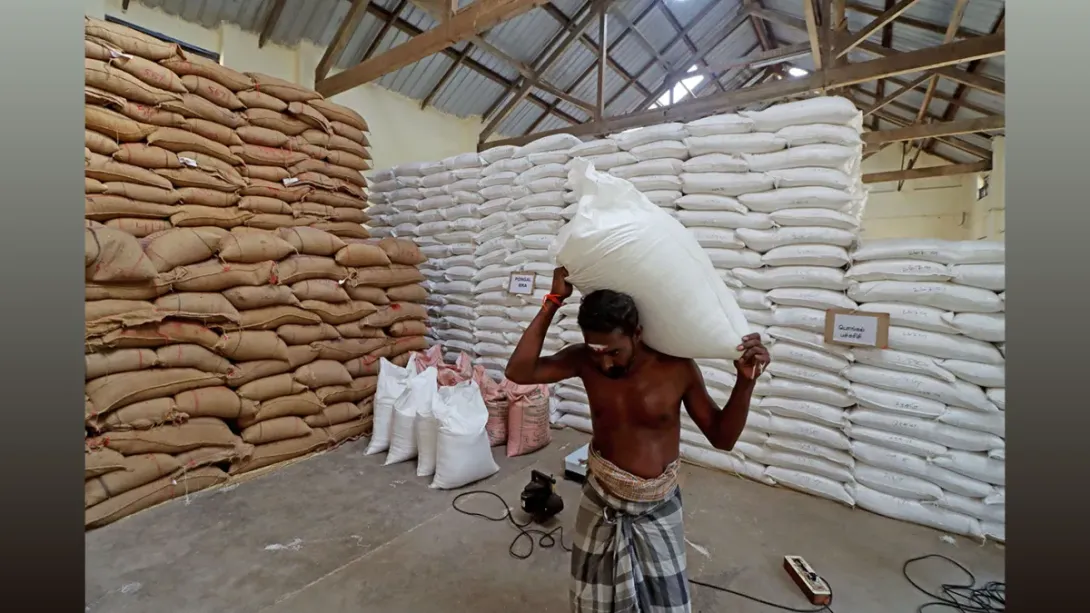
In a move aimed at stabilizing domestic food prices and ensuring long-term food security, the Philippines has announced plans to increase agricultural imports from India. This strategic decision comes amid growing concerns over climate-related supply disruptions and inflationary pressures in the region. By sourcing essential commodities such as rice, wheat, and pulses from India—a major global agri-exporter—the Philippines aims to diversify its supply base and build greater resilience within its food ecosystem. The agreement highlights India's expanding role in Asia's agricultural trade and underlines the shifting dynamics in regional food diplomacy.
Strategic Partnership to Secure Food Supplies
As global food supply chains continue to face volatility due to geopolitical unrest, extreme weather events, and inflation, the Philippines is proactively seeking to enhance its food import strategies. At the core of this initiative is a renewed push to import key staples from India, including rice, pulses, wheat, and other essential agricultural goods.
This development is particularly timely, given the El Niño-driven crop stress across Southeast Asia and the Philippines' increasing reliance on external food sources to meet domestic demand.
India’s Role in Asia’s Agricultural Trade
India, one of the world’s largest producers and exporters of food grains, has steadily expanded its agricultural footprint in Asia. Its ability to supply high-quality, competitively priced staples makes it an attractive partner for countries like the Philippines.
India’s export strength lies not only in volume but also in diversity—ranging from non-basmati rice and wheat to lentils, sugar, and edible oils. With robust storage and logistics infrastructure, India offers a dependable buffer against global supply shocks, enhancing its appeal as a stable trade ally.
Addressing Domestic Inflation in the Philippines
The Philippines has been grappling with elevated food prices, particularly in rice and sugar, which have had a direct impact on household budgets and inflation indices. Importing from India is expected to ease pressure on local supply chains, help moderate retail prices, and reinforce the government’s food security objectives.
Policymakers in Manila view this move as a tactical response to safeguard economic stability, particularly as climate variability threatens local agricultural productivity.
Long-Term Agricultural Cooperation in Focus
Beyond immediate trade flows, the Philippines and India are also exploring broader avenues for agricultural cooperation. Discussions have extended to include potential collaborations in food processing, farm mechanization, and capacity-building initiatives that could benefit Filipino farmers.
Such long-term engagements could help the Philippines reduce its structural dependence on food imports by enhancing local productivity while maintaining supply diversification through global partnerships.
Outlook: A Pragmatic Approach to Regional Food Security
The decision by the Philippines to lean more heavily on Indian agricultural exports underscores a growing trend among developing economies to diversify sourcing and strengthen food security frameworks. As global weather patterns become more erratic and inflation remains a pressing concern, bilateral arrangements like these offer a pragmatic solution.
India’s consistent export performance, combined with the Philippines’ urgent need for stable supply lines, makes this an economically and strategically sound alignment that may serve as a template for future intra-Asian trade cooperation.
Conclusion:
By turning to India to meet its rising food demand, the Philippines is not only addressing short-term price pressures but also laying the groundwork for more resilient and diversified food systems. In doing so, it reinforces the importance of regional collaboration in ensuring food security amid an increasingly unpredictable global landscape.
Comments