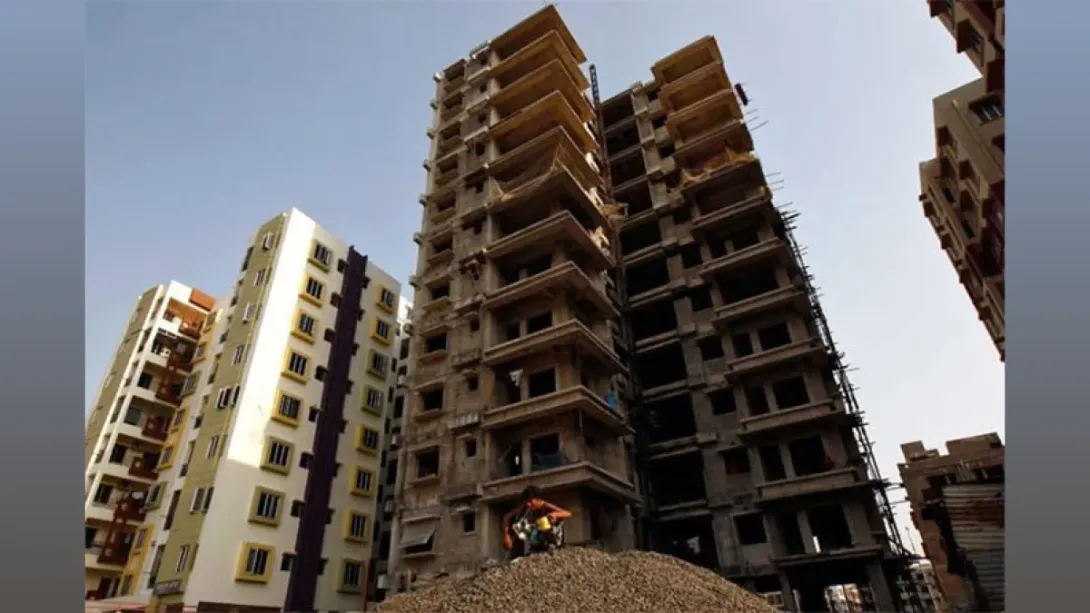
Raymond Realty, the real estate arm of the storied Raymond Group, is entering the capital markets with a focused strategy rooted in financial prudence and operational discipline. As it prepares to list on the bourses, company leadership has laid out clear benchmarks for future development—chief among them, a minimum 20% profit margin for any project under consideration. With a pipeline of developments valued between Rs. 6,000 and Rs. 10,000 crore, Raymond Realty is leveraging its land bank and exercising extreme selectivity, having signed just six of the 1,400 potential projects reviewed. The company targets 15% topline growth and seeks to uphold its operating margins amid a heated and competitive real estate landscape.
A Strategic Approach to Growth
Raymond Realty’s forthcoming public listing marks a pivotal moment in the company’s expansion into India’s competitive real estate sector. Yet unlike many industry players chasing scale through aggressive deal-making, Raymond Realty has embraced a more restrained and analytical strategy.
Company chairman and managing director Gautam Singhania emphasized that financial discipline will remain paramount. “I will only pursue a deal if it meets our financial return criteria,” Singhania stated, pointing to overheated valuations in the market that, in his words, are too speculative for even a gambler to consider.
By maintaining this cautionary stance, Raymond Realty sets itself apart in a sector often driven by rapid land acquisition and thin margins. The company’s executive team made it clear: if a project does not promise at least a 20% profit margin, it simply won’t move forward.
Selective Deal-Making in a Heated Market
The realty division has so far evaluated over 1,400 projects, ultimately choosing to move forward with just six. According to CEO Harmohan Sahni, this is not due to a lack of opportunity, but a strict commitment to profitability and sustainable value creation.
The company's project pipeline, ranging between Rs. 6,000 crore and Rs. 10,000 crore in gross development value, will rely on a combination of self-owned land, redevelopment efforts, and strategic joint ventures. This asset-light but high-return strategy enables the firm to navigate volatile market conditions without overextending financially.
Margin Targets and Revenue Ambitions
Raymond Realty has set an ambitious yet disciplined financial roadmap. The company is aiming for a 15% topline growth rate, underpinned by an operating profit margin target of 20%. These figures reflect a conservative yet robust approach to scaling in a market where overleveraging has historically led to distress.
The majority of the company’s residential units will be priced between Rs. 1 crore and Rs. 5 crore, catering to India’s growing urban upper-middle class. However, the company has also signaled flexibility in exploring higher-ticket offerings, depending on project location and market appetite.
Positioning Ahead of Market Debut
Raymond Realty’s public market debut is being closely watched, given its parent group’s storied history and brand equity. But the company’s leadership is signaling that brand strength alone is not the strategy—it must be paired with sound economics.
By focusing on capital-efficient growth, stringent project evaluation, and premium customer targeting, Raymond Realty is positioning itself to build not just properties, but long-term shareholder value. This approach may offer a compelling counter-narrative to the more aggressive expansion models seen in the broader real estate sector.
Conclusion: A Cautious Gambit in a Volatile Sector
As it enters the capital markets, Raymond Realty’s clear commitment to financial rigor, selective project development, and sustained profitability provides a refreshing contrast to the speculative exuberance characterizing parts of the Indian real estate sector.
By anchoring its expansion plans in high-margin, high-discipline operations, Raymond Realty is not just building structures—it is laying the foundation for a more resilient and strategically focused future in Indian real estate.
Comments