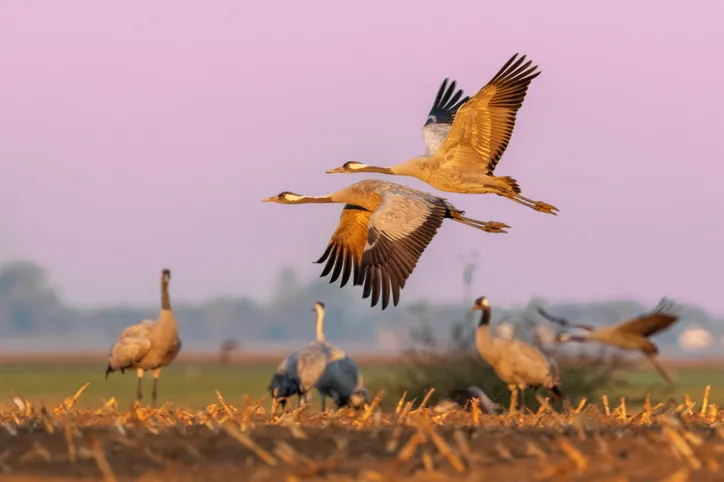
Europe is witnessing a sharp escalation in avian influenza cases, driven by the infection of previously unaffected wild bird species. The recent trend marks a troubling shift in the virus’s behavior and transmission dynamics, prompting fresh concerns among public health authorities and the poultry industry. Experts warn that the increasing adaptability of the avian flu virus, particularly its ability to infect new migratory and local bird populations, is contributing to persistent outbreaks and mounting economic losses across the continent.
Expanding Host Range Sparks Concern
Traditionally, avian influenza outbreaks were largely confined to migratory waterfowl and domestic poultry. However, recent surveillance reports indicate that the virus has begun spreading to new species of wild birds, including raptors, shorebirds, and smaller passerines. This expansion of the host range has significantly increased the virus’s reach and survival potential in diverse ecological settings.
Researchers have attributed this development to mutations in the viral genome that enhance its ability to adapt to different avian species. The broader host spectrum not only sustains the virus in the wild but also increases the likelihood of transmission to domestic flocks — a pattern that has already led to widespread culling operations and severe trade disruptions in several European countries.
Economic Fallout for Poultry Industry
The poultry sector remains the hardest hit by the resurgence of avian flu. Thousands of farms across Europe have faced mass culling orders, resulting in millions of birds being destroyed to prevent further spread. The economic impact extends beyond immediate losses — it includes rising feed costs, halted exports, and consumer price volatility in eggs and poultry meat.
Farmers are also contending with insurance gaps and biosecurity challenges, as the virus’s persistent presence in wild populations makes containment increasingly difficult. Many nations have tightened their surveillance networks and imposed strict transport controls on poultry products, but experts caution that these measures can only mitigate, not eliminate, the risk of reinfection.
Environmental and Health Implications
Beyond the agricultural losses, the infection of new wild bird species raises serious ecological concerns. Raptors and scavengers, such as eagles and vultures, play critical roles in maintaining ecosystem balance. Their declining populations due to avian flu outbreaks could disrupt natural food chains and accelerate biodiversity loss in vulnerable habitats.
While the virus currently poses a low risk to humans, occasional zoonotic spillovers have been recorded. Public health agencies continue to monitor for potential mutations that could enhance human transmissibility, underscoring the need for vigilant genomic surveillance and coordinated international response mechanisms.
Strengthening Surveillance and Preparedness
Authorities across Europe are ramping up surveillance efforts in both domestic and wild bird populations. Enhanced testing protocols, genetic sequencing, and cross-border data sharing have become crucial components of containment strategies. The European Centre for Disease Prevention and Control (ECDC) and allied veterinary agencies are urging governments to invest in wildlife monitoring and vaccination research to prevent future outbreaks.
Environmentalists emphasize that long-term solutions must focus on habitat management and reducing human encroachment on migratory routes — factors that contribute to closer contact between wild and farmed birds. Experts also advocate for the creation of strategic buffer zones around wetlands and nesting areas, where the virus often thrives.
Conclusion: A Persistent Threat Demanding Unified Action
The surge in avian influenza cases across Europe, amplified by infections in new wild bird species, underscores the complex intersection between ecology, agriculture, and public health. The virus’s evolving nature demands not just reactive containment but proactive preparedness grounded in science, surveillance, and collaboration.
As winter migratory patterns resume, the threat of further outbreaks looms large. Coordinated policy responses, robust veterinary research, and sustained international cooperation will be essential to safeguard Europe’s food security, biodiversity, and economic stability in the face of this growing avian flu challenge.
Comments