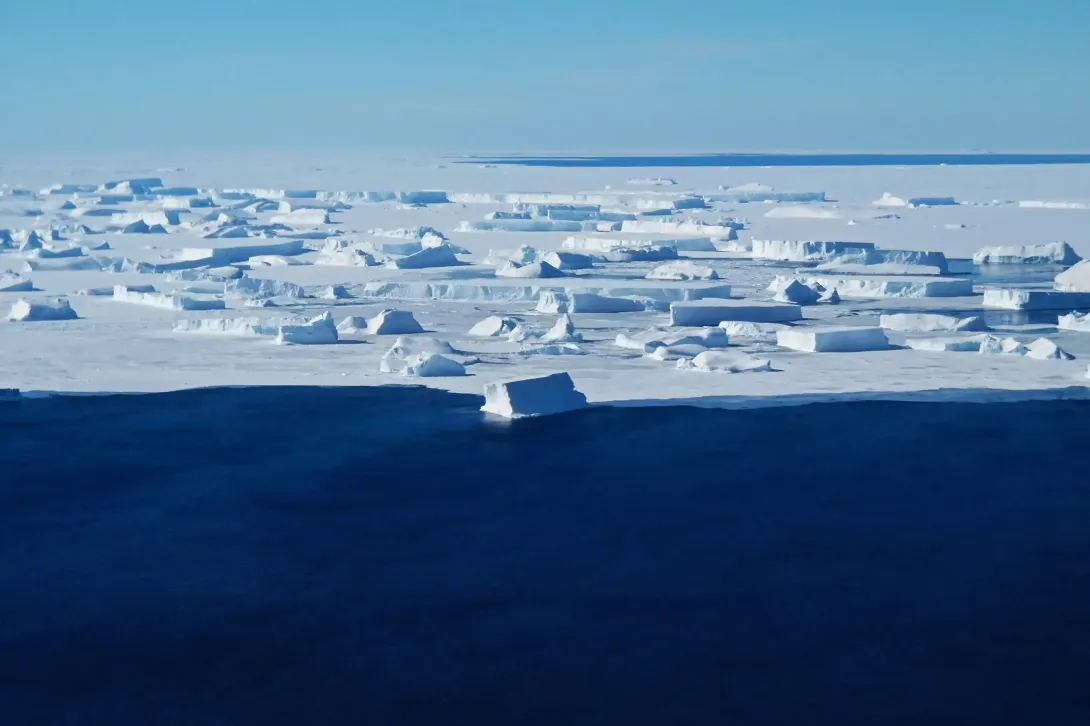
A recent scientific study on Antarctica’s Thwaites Glacier—often referred to as the “Doomsday Glacier”—has intensified global concern over accelerating ice loss and its implications for sea-level rise. Researchers warn that structural weakening beneath the glacier could hasten its retreat, potentially destabilizing vast sections of the West Antarctic Ice Sheet. The findings underscore the glacier’s outsized role in global climate systems and coastal risk. While collapse is not imminent, scientists stress that continued warming could trigger irreversible changes. The study reinforces the urgency of climate mitigation and long-term adaptation planning for vulnerable coastal regions worldwide.
Why the Doomsday Glacier Matters
Thwaites Glacier spans an area roughly the size of Great Britain and acts as a critical barrier holding back inland ice. Its strategic position means that significant retreat could allow surrounding glaciers to accelerate toward the ocean, amplifying global sea-level rise. Scientists estimate that Thwaites alone could raise sea levels by more than half a meter if it were to collapse entirely.
Key Findings From the Latest Study
The new research highlights the presence of warm ocean water intruding beneath the glacier, eroding it from below. Advanced radar and underwater mapping reveal fractures and thinning ice shelves that once stabilized the glacier. These changes suggest the glacier may be more vulnerable to rapid retreat than previously understood.
Researchers emphasize that the processes unfolding are complex but clearly linked to rising ocean temperatures driven by climate change.
Implications for Global Sea Levels
Sea-level rise remains the most immediate global risk associated with Antarctic ice loss. Even modest increases threaten low-lying cities, island nations, and coastal infrastructure. Economists warn that unchecked sea-level rise could impose trillions of rupees in long-term damage through flooding, displacement, and loss of productive land.
The Thwaites Glacier is therefore viewed not as a regional issue, but as a global economic and environmental risk.
Climate Change and Scientific Consensus
While natural ice fluctuations occur, scientists are clear that current rates of melting far exceed historical norms. The consensus remains that human-driven warming is the primary factor accelerating Antarctic ice loss. Researchers caution that even aggressive emissions cuts may not fully halt changes already underway, though they could slow future impacts.
Policy, Preparedness, and Global Response
The findings add pressure on governments to strengthen climate commitments and invest in coastal resilience. Urban planners and policymakers are increasingly factoring worst-case sea-level scenarios into infrastructure design and disaster preparedness strategies.
At the same time, scientists stress the importance of sustained funding for polar research, noting that early warning is critical to informed global decision-making.
Outlook
The latest study on the Doomsday Glacier serves as a stark reminder of the long-term consequences of climate inaction. While catastrophic collapse is not expected in the immediate future, the trajectory is troubling. Scientists agree that decisions made this decade—on emissions, energy transition, and adaptation—will significantly influence how severe and costly the glacier’s impact becomes for future generations.
Comments