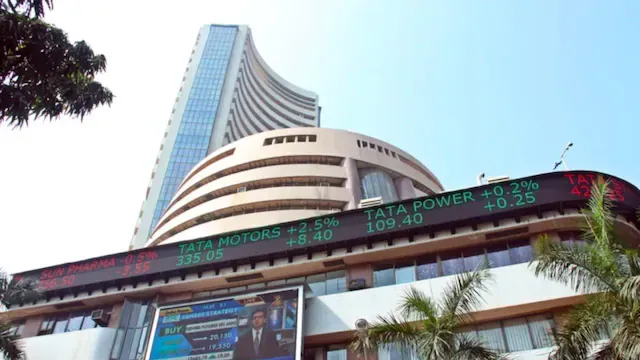
Indian equities lost momentum after a strong multi-session rally, with the Sensex slipping as investors booked profits amid mixed global signals, foreign fund withdrawals, and concerns over stretched valuations. The downturn comes on the heels of record highs, highlighting the fragility of sentiment despite steady domestic economic fundamentals. Broader markets mirrored the cautious tone, while sectoral performance turned uneven. Although analysts view the pullback as a healthy consolidation, they warn that volatility may persist until clarity emerges on interest rates, global liquidity, and geopolitical risks. The retreat underscores the delicate balance between optimism and caution driving current market behavior.
Market Overview: Sensex Pauses After Stellar Rally
The benchmark BSE Sensex eased from recent peaks as investors shifted to profit-taking following several sessions of strong gains. The index, which had surged to fresh highs earlier in the week, showed signs of fatigue as traders grew wary of elevated valuations and external uncertainties.
Despite the moderation, the market’s broader structure remains resilient, underpinned by steady domestic institutional flows and expectations of stable corporate earnings. The downturn is viewed by many as a natural breather rather than the start of a prolonged correction.
Profit-Booking and FPI Outflows Pressure Indices
A key driver of the decline was widespread profit-booking, particularly in heavyweight financials, IT, and consumer-focused stocks. Investors who had ridden the recent surge opted to lock in gains, adding downward pressure on the headline index.
Foreign portfolio investors also trimmed exposure, contributing to the softness. FPI activity has remained volatile in recent weeks, influenced by global bond yields and shifting expectations around U.S. monetary policy. Their cautious stance resulted in additional selling pressure, tempering domestic bullishness.
Sectoral Performance Turns Mixed
Market breadth weakened as several sectors slipped into the red.
- Financials and banking names saw mild declines as traders reassessed valuations.
- IT stocks faced renewed pressure amid global recession concerns and weak overseas demand indicators.
- Metals and energy sectors displayed resilience, supported by commodity price trends and improved demand visibility.
This uneven sectoral pattern reflects a market attempting to recalibrate after an extended rally, with investors rotating selectively rather than withdrawing wholesale.
Global Market Sentiment Adds to Caution
International markets contributed to the subdued tone. Persistent geopolitical tensions, soft manufacturing data from major economies, and uncertain central-bank policy signals weighed on overall risk appetite.
Concerns surrounding crude oil prices and currency fluctuations also played a role, influencing investor expectations for inflation and interest-rate trajectories. These cross-currents reinforced a more defensive sentiment across emerging markets, including India.
Domestic Fundamentals Remain Supportive
Despite the latest pullback, India’s macroeconomic landscape continues to provide a steady foundation. GDP growth remains among the fastest globally, corporate balance sheets are healthy, and the government’s emphasis on infrastructure spending supports long-term expansion.
Analysts note that medium-term indicators point toward sustained earnings growth, suggesting the Sensex’s recent pause is part of a broader consolidation phase rather than a reversal of trend.
What Investors Should Watch
Market participants will closely monitor:
- Interest-rate decisions by the RBI and U.S. Federal Reserve, which may shape liquidity conditions.
- Trends in FPI flows, particularly whether foreign investors return after the current consolidation.
- Corporate earnings announcements, offering clarity on sectoral strength and margin resilience.
- Global commodity and currency movements, given their influence on inflation and trade balances.
These factors combined will determine the Sensex’s trajectory in the coming weeks.
Outlook: A Controlled Cool-Off, Not a Crisis
The recent decline in the Sensex appears to be a healthy corrective phase following an exuberant climb. Market watchers emphasize that dips of this nature often create selective opportunities, especially for long-term investors focusing on fundamentals rather than short-term volatility.
While external risks and valuation concerns could keep caution elevated, the underlying growth narrative for India remains intact. With measured expectations, disciplined portfolio strategies, and attention to macro signals, investors can navigate the current volatility without losing sight of long-term prospects.
Comments