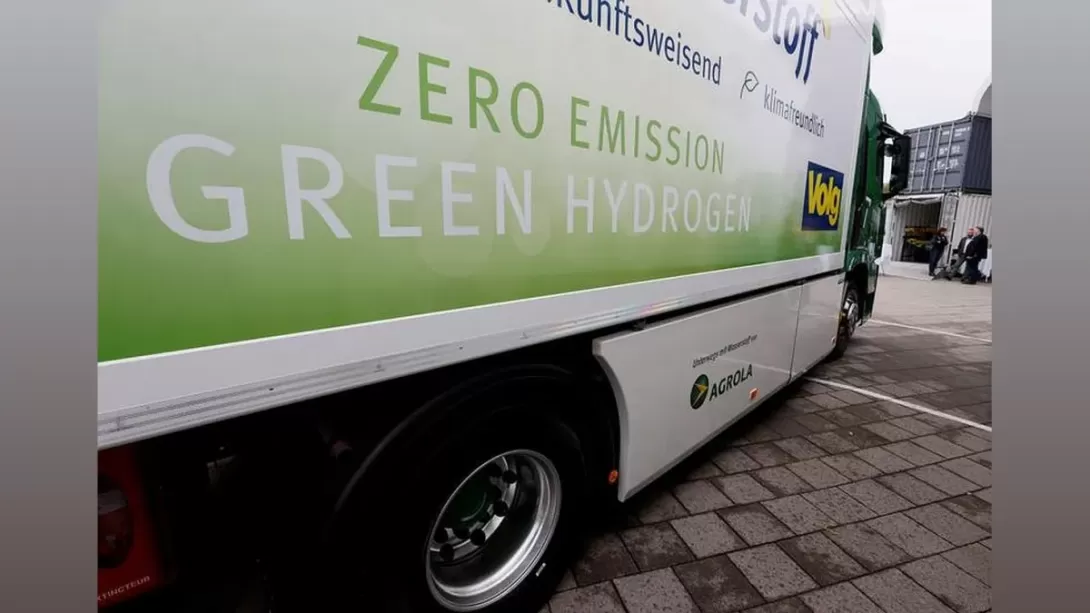
In a significant move to enhance bilateral trade and sustainable logistics, India's Commerce Secretary, Sunil Barthwal, has initiated discussions with the Port of Rotterdam to establish a green and digital corridor for the export of green hydrogen to Europe. This collaboration is seen as a major step in advancing port modernisation, green shipping, and digitalisation of logistics. The move is aligned with India's Maritime Vision 2030, which seeks to modernise ports and improve logistics efficiency. Additionally, Barthwal held discussions with semiconductor giant ASML to bolster India's aspirations of becoming a global hub for semiconductor manufacturing.
India’s Vision for Green and Digital Trade Expansion
India’s efforts to modernise its port infrastructure and align with global sustainability standards are being bolstered by a recent visit from Commerce Secretary Sunil Barthwal to the Netherlands. This trip lays the foundation for an ambitious project designed to integrate green technologies and digital solutions into the international trade route between India and Europe.
During his visit, Barthwal engaged in high-level discussions with the Port of Rotterdam, Europe’s largest and one of the most technologically advanced ports. The proposed green and digital corridor will facilitate the export of green hydrogen, ammonia, and methanol from India to Europe, strengthening the ties between the two regions while supporting India's transition to more sustainable and technologically driven shipping practices.
The initiative aims to position the Port of Rotterdam as a crucial gateway to Europe, ensuring that India can tap into the growing demand for green energy in Europe. The discussions focused on a multifaceted approach to trade, including green shipping, logistics optimisation, and technology transfer, all of which are seen as critical for future-proofing the trade relationship.
Port Modernisation and Sustainable Shipping: Key to Future Growth
One of the core aspects of the collaboration is the modernisation of Indian ports. Barthwal highlighted the importance of enhancing port capacity and improving logistics efficiency, aligning with India’s broader strategic vision known as Maritime Vision 2030. This initiative aims to revamp the country’s port infrastructure, increase throughput, and embrace technologies that can streamline operations and reduce environmental impact.
The green and digital corridor will be key to meeting India’s environmental and trade objectives. By focusing on green shipping practices, the project will not only promote the export of green hydrogen—a clean energy source—but also contribute to sustainable port management. These practices, shared between the two nations, are expected to foster new innovations in logistics and port operations, setting a global example for sustainable trade.
Leveraging Technology and Knowledge Transfer
Technology is at the heart of the discussions. Both India and the Netherlands are keen to engage in knowledge sharing and technology transfer to support the digitalisation of ports. By implementing cutting-edge technology at Indian ports, India aims to enhance operational efficiency and reduce costs associated with logistics and shipping.
The partnership between Indian and Dutch port authorities is also poised to unlock new opportunities in sustainable practices. This could lead to advancements in port management, digital tools for better cargo handling, and greener logistics processes. Rotterdam’s leadership in this space serves as an ideal benchmark for India as it works to establish itself as a competitive player in global trade, particularly in the area of green and digital shipping.
Broader Trade Cooperation: Semiconductor and Free Trade Agreements
In addition to his discussions with the Port of Rotterdam, Barthwal's visit also included meetings with ASML, the global leader in photolithography systems used in semiconductor manufacturing. ASML’s expertise is seen as vital to India’s ambitions of becoming a global semiconductor manufacturing hub. The collaboration with ASML will likely support India’s efforts to ramp up production in this critical sector, an area that is rapidly gaining strategic importance due to its central role in global supply chains.
Barthwal’s visit also included talks in Croatia regarding the progress of negotiations for a proposed free trade agreement between India and the European Union. This ongoing dialogue underscores the growing economic partnership between India and Europe, focused on fostering deeper trade relationships, regulatory alignment, and a shared vision for a sustainable and digital future.
Looking Ahead: The Impact on Bilateral Trade
The green and digital corridor initiative between India and the Netherlands holds promise for transforming the logistics and energy sectors, but it also marks a significant step forward in the broader economic cooperation between the two nations. By leveraging Rotterdam’s expertise in sustainable shipping and India’s burgeoning renewable energy capabilities, the project is set to redefine the future of cross-border trade.
In the coming months, as discussions progress, India is likely to see more opportunities emerge not just in green energy exports but in digital shipping, logistics innovation, and sustainable port management. The collaboration with ASML also signals that India is making strides towards becoming a global player in the semiconductor industry, further elevating its position in the global tech supply chain.
Overall, the groundwork laid by Barthwal’s visit sets the stage for a new era of trade between India and Europe—one that is green, digital, and highly integrated.
In conclusion, the establishment of a green and digital corridor between the Port of Rotterdam and Indian ports is poised to significantly enhance bilateral trade, foster sustainable practices, and integrate cutting-edge technologies into global shipping. India’s Maritime Vision 2030, combined with strategic partnerships with global leaders like ASML, positions the country as an emerging powerhouse in global trade and technology. As both nations deepen their collaboration, the future looks promising for sustainable, high-tech trade between India and Europe.
Comments