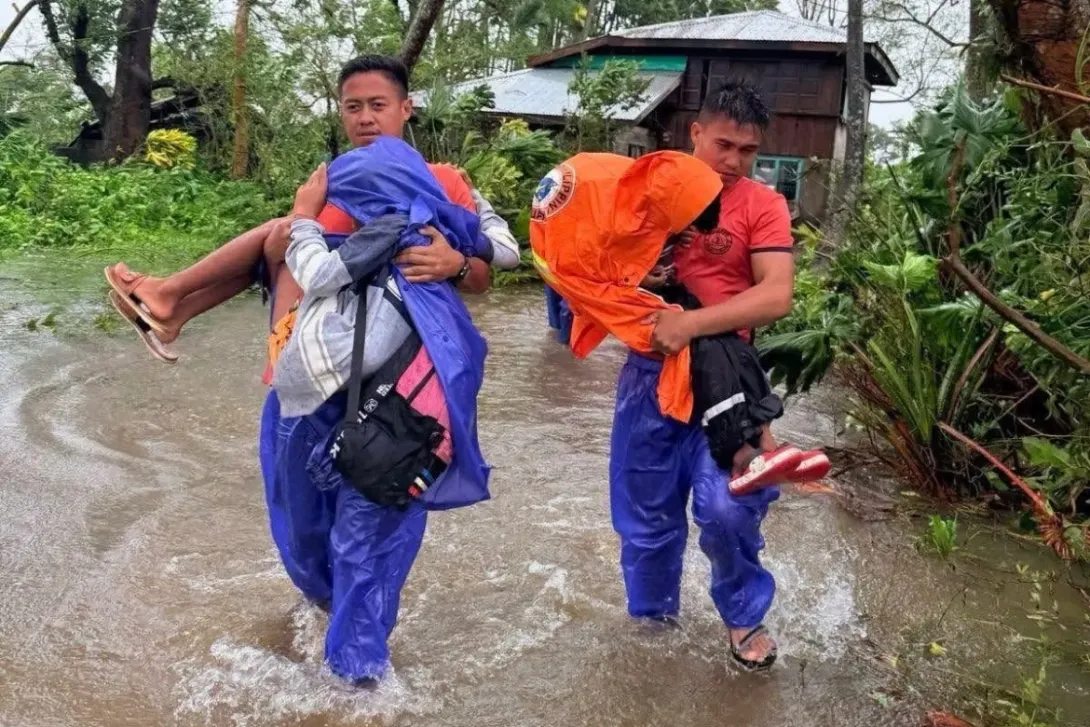
Super Typhoon Ragasa has swept across the Philippines, prompting large-scale evacuations and emergency preparations as authorities brace for severe winds, torrential rain, and potential flooding. The typhoon, classified as a Category 4 storm with sustained winds exceeding 200 km/h, has forced local governments to mobilize disaster response teams, secure infrastructure, and advise residents in low-lying and coastal areas to seek safer locations. Early meteorological warnings and proactive evacuations aim to mitigate casualties and property damage. Ragasa’s path underscores the Philippines’ vulnerability to increasingly intense tropical cyclones, highlighting the urgent need for climate-resilient infrastructure and disaster preparedness measures.
Typhoon Ragasa’s Trajectory and Intensity
According to the Philippine Atmospheric, Geophysical and Astronomical Services Administration (PAGASA), Super Typhoon Ragasa is moving west-northwest, affecting Luzon and surrounding regions. Meteorologists warn of wind gusts exceeding 220 km/h and rainfall totals surpassing 300 mm in certain provinces, elevating the risk of flash floods, landslides, and coastal storm surges.
Evacuation and Emergency Measures
Authorities have executed preemptive evacuations in vulnerable communities, prioritizing schools, health centers, and temporary shelters. Local disaster management units are coordinating logistics, including the distribution of food, water, and medical supplies. Transportation and communication networks are being reinforced to ensure timely dissemination of updates and emergency services.
Economic and Infrastructure Impact
Typhoons of Ragasa’s magnitude pose significant economic threats, potentially disrupting agriculture, fisheries, and urban infrastructure. Damage to roads, power lines, and residential structures could incur costs amounting to billions of Rs., depending on the storm’s duration and intensity. Government and private sector collaboration is critical for mitigating immediate losses and facilitating rapid post-storm recovery.
Climate Considerations
Experts note that the intensification of typhoons like Ragasa correlates with rising sea surface temperatures and shifting climatic patterns. Strengthening climate resilience, including improved early warning systems, robust infrastructure, and community preparedness, is increasingly essential for nations in typhoon-prone regions.
Conclusion:
Super Typhoon Ragasa exemplifies the growing challenges posed by extreme weather events in the Philippines. Swift evacuations, proactive emergency measures, and public awareness campaigns are vital in reducing the storm’s human and economic toll. As climate change exacerbates typhoon intensity, a combination of advanced forecasting, resilient infrastructure, and community readiness will be crucial for safeguarding lives and livelihoods.
Comments