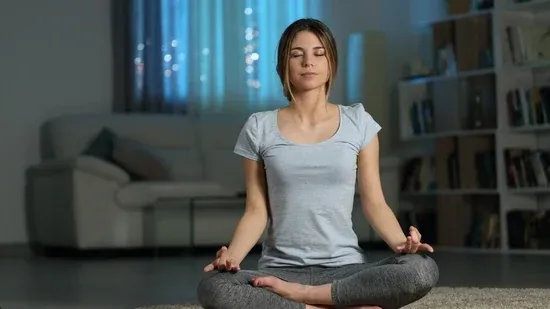
In a world driven by screens, stress, and ceaseless stimulation, quality sleep has become a luxury for many. While medications and digital detoxes dominate the conversation, an ancient and holistic remedy is making a powerful resurgence—yoga. Practicing specific yoga postures before bedtime can significantly improve sleep quality by calming the nervous system and quieting the mind. This article explores five time-tested asanas that promote relaxation, reduce anxiety, and prepare the body for deep, restorative rest. Gentle and accessible, these poses offer a natural solution for those struggling with insomnia, fatigue, or stress-related sleep disturbances.
---
The Sleep Crisis: Modern Life vs. Circadian Rhythm
The sleep epidemic is not just anecdotal—research has shown a steady decline in sleep quality over the past decade. Hectic work schedules, blue-light exposure, and chronic stress disrupt melatonin production and derail circadian rhythms. For many, bedtime has become synonymous with tossing and turning rather than restful recovery.
Yoga, with its breath-centered, meditative approach, provides a natural counterbalance. It lowers cortisol levels, activates the parasympathetic nervous system, and trains the body to shift from a state of “fight or flight” to one of “rest and digest.”
---
Five Yoga Poses for Better Sleep
These five yoga postures are designed to be gentle, effective, and suitable for practitioners of all levels. Practicing them consistently, especially 30 minutes before bedtime, can signal the body to unwind and transition into a sleep-ready state.
---
1. Balasana (Child’s Pose)
A deeply calming posture, Balasana relieves tension from the back, shoulders, and chest while grounding the body. Kneel on the floor, fold forward, and rest your forehead on the mat or a cushion. Breathe slowly and deeply for 1–2 minutes.
Benefits: Soothes the nervous system, reduces anxiety, and provides emotional comfort.
---
2. Supta Baddha Konasana (Reclining Bound Angle Pose)
This restorative pose gently opens the hips and heart, promoting relaxation. Lie on your back, bring the soles of your feet together, and let your knees fall outward. Use cushions under your knees for support.
Benefits: Enhances blood circulation, calms the digestive system, and induces inner stillness.
---
3. Viparita Karani (Legs Up the Wall Pose)
A favorite among yoga therapists, this inverted posture allows gravity to assist circulation while relieving tired legs. Lie down with your legs extended vertically against a wall and arms relaxed by your sides.
Benefits: Reduces swelling in the feet, eases lower back tension, and slows heart rate.
---
4. Paschimottanasana (Seated Forward Bend)
This gentle forward fold helps in releasing spinal tension and calming the mind. Sit on the floor with legs extended, inhale to lengthen the spine, and exhale to reach toward your toes.
Benefits: Encourages introspection, stretches the hamstrings, and aids in mental detox.
---
5. Savasana (Corpse Pose)
Often practiced at the end of a yoga session, Savasana is essential for integrating movement and breath into stillness. Lie flat on your back, close your eyes, and allow the entire body to relax consciously.
Benefits: Triggers deep relaxation, improves mindfulness, and prepares the body for sleep.
---
Integrating Yoga Into Your Nightly Routine
Consistency is key. Incorporating these poses into a nightly wind-down ritual—paired with dim lighting, soothing music, or aromatherapy—can reinforce healthy sleep patterns. Over time, your body begins to associate these movements with rest, making it easier to drift into sleep without pharmaceutical aids.
---
Final Thoughts
Incorporating yoga into your evening can be more than just a wellness trend—it’s a reclaiming of natural rhythm and mental peace. For those navigating sleepless nights, these five postures offer a grounding, drug-free alternative that not only improves sleep but nurtures overall well-being. Sleep, after all, is not a luxury; it's a necessity. And yoga might just be the bridge between chaos and calm.
Comments