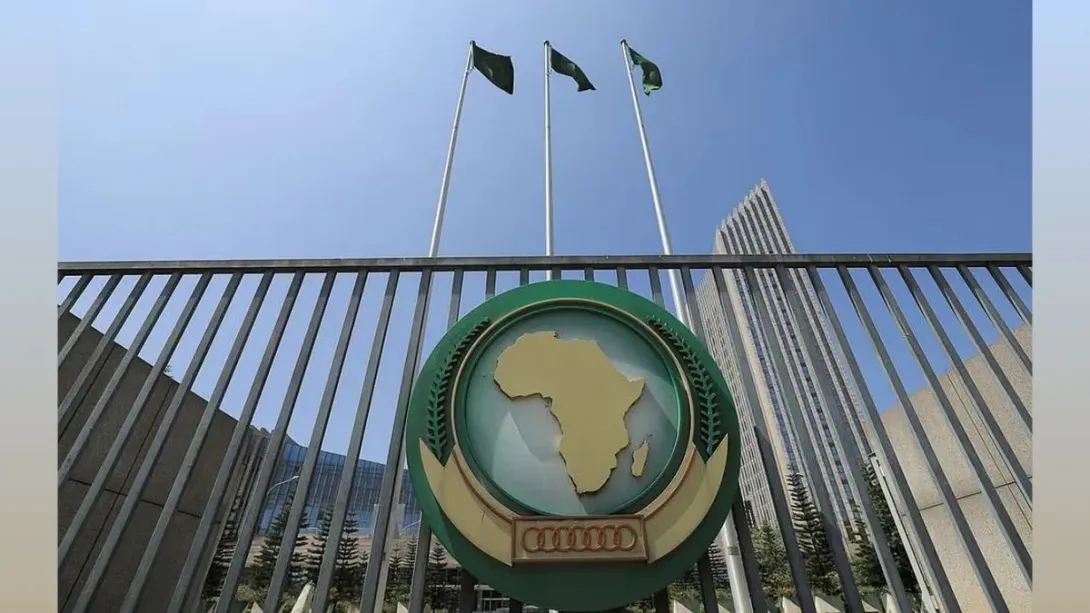
India and Africa have achieved a significant trade milestone, with bilateral exchanges surpassing USD 100 billion, underscoring the growing strength of their economic partnership. This achievement reflects not only the deepening commercial linkages but also the strategic importance of Africa in India’s global trade map. Driven by India’s demand for natural resources and Africa’s need for investment, infrastructure, and capacity building, the trade relationship has expanded beyond commodities to include technology, pharmaceuticals, renewable energy, and digital services. The milestone signals opportunities for both regions to further collaborate in shaping resilient, sustainable, and diversified economies.
Trade Dynamics and Sectoral Growth
India’s engagement with Africa has historically centered around energy, minerals, and agricultural commodities. However, the trade composition is now broadening to include manufactured goods, engineering products, and services. Pharmaceuticals, especially affordable generic medicines from India, remain a vital export, while Africa supplies crude oil, gold, coal, and agricultural products.
This diversification reflects a shift from dependency on primary resources to a balanced exchange that integrates industrial and service-sector contributions. The milestone of USD 100 billion serves as evidence of a maturing partnership capable of adapting to evolving global economic conditions.
Strategic and Political Significance
The crossing of the USD 100 billion trade threshold goes beyond economics; it is also symbolic of growing geopolitical alignment. India has been strengthening its outreach through initiatives like the India-Africa Forum Summit, development financing, and capacity-building programs.
Africa, on the other hand, views India as a trusted partner in its development journey—offering technology transfer, digital infrastructure, and renewable energy solutions without imposing conditions tied to aid or loans. This positions India as a credible alternative to other global powers seeking influence in Africa.
Opportunities and Challenges Ahead
Despite the milestone, challenges remain. Infrastructure bottlenecks, non-tariff barriers, and logistics inefficiencies often slow trade flows. Additionally, geopolitical uncertainties and fluctuating commodity prices can affect bilateral balances.
Yet, opportunities are abundant. Africa’s youthful population and rapid urbanization provide a large consumer base, while India’s expertise in digital services, healthcare, and sustainable energy align with Africa’s long-term development needs. The African Continental Free Trade Area (AfCFTA) could further enhance India’s access to integrated regional markets, boosting investments and exports.
Outlook: Toward a Deeper Economic Integration
The USD 100 billion trade achievement is not the endpoint but a springboard toward deeper collaboration. India and Africa now stand poised to strengthen supply chains, invest in renewable energy, and accelerate digital transformation. By leveraging complementary strengths—India’s technology and service capabilities with Africa’s resources and market potential—the two regions can co-create a framework for sustainable economic growth.
This milestone also signals India’s evolving role in the Global South, where partnerships are increasingly based on shared growth rather than aid. As trade continues to expand, India and Africa are likely to emerge as pivotal actors in shaping a more balanced global economic order.
Comments