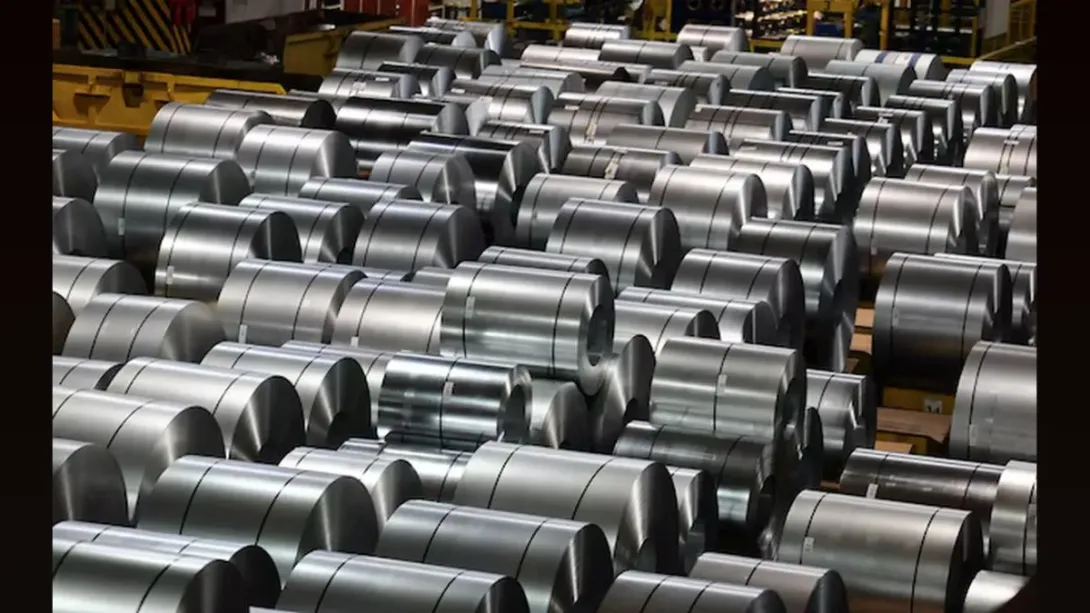
In a significant move to deepen industrial cooperation, Union Steel Minister H. D. Kumaraswamy met with UAE Minister of Economy Abdulla Bin Touq Al Marri in Dubai to discuss joint ventures in the development of high-grade steel and aluminium. The dialogue, held under the ambit of the India-UAE Comprehensive Economic Partnership Agreement (CEPA), focused on fostering cross-border collaboration in sectors critical to both economies, particularly automotive, mobility, and high-end manufacturing. The ministers emphasized sustainable growth, technological integration, and proposed a joint working group to facilitate targeted investment and trade partnerships in strategic materials.
Strengthening Bilateral Industrial Ties Through CEPA
The India-UAE CEPA, signed in 2022, has opened up new avenues for economic integration between the two nations. Leveraging this framework, the recent ministerial meeting aimed to chart a roadmap for the co-development and trade of high-quality steel and aluminium — two materials integral to modern industrial applications.
Kumaraswamy's visit to Dubai represents a broader diplomatic effort to position India as a global manufacturing hub while aligning with the UAE’s ambitions to diversify its industrial portfolio. The dialogue signaled a shift from traditional trade relations to deeper industrial collaboration with long-term implications for both countries’ value chains.
Focus on High-Grade Metal for Strategic Sectors
High-grade steel and aluminium are foundational inputs in automotive manufacturing, infrastructure development, defense, aerospace, and renewable energy. India, as one of the world’s fastest-growing economies, is seeking reliable international partnerships to bolster its capacity in producing these high-strength alloys, which require sophisticated technology and precise quality controls.
Kumaraswamy emphasized that both India and the UAE can complement each other — with India offering a growing consumer market, engineering talent, and cost-effective production, and the UAE contributing world-class logistics, capital, and advanced technological capabilities.
Proposal for a Joint Working Group
To institutionalize this cooperation, the Indian minister proposed the formation of a joint working group comprising public and private stakeholders from both nations. This group would be tasked with identifying actionable investment projects, harmonizing logistics frameworks, and resolving regulatory bottlenecks.
Such a mechanism would not only streamline bilateral industrial planning but also serve as a catalyst for wider regional supply chain integration. The group would further focus on skill development, innovation transfer, and sustainability targets within the scope of metal production and downstream industries.
Green Steel and Sustainable Industrial Growth
The dialogue also placed considerable emphasis on environmental responsibility and the potential to co-create a sustainable metals ecosystem. Kumaraswamy underlined India’s commitment to green steel — produced using low-carbon methods such as hydrogen-based direct reduction — and invited the UAE to collaborate on clean technologies.
Given the UAE’s investment in renewable energy and its strategic location as a global re-export hub, joint ventures in green steel and aluminium could allow both nations to serve regional and international markets with environmentally friendly, high-performance materials.
Outlook and Strategic Significance
This bilateral engagement aligns with India’s larger goals under its “Make in India” and “Atmanirbhar Bharat” initiatives, while also supporting the UAE’s industrial transformation agenda under its “Operation 300bn” vision. By focusing on high-value segments like mobility and defense manufacturing, both countries are seeking to move up the industrial value chain and reduce dependence on external suppliers.
The success of such partnerships could also influence broader South-South cooperation frameworks and enhance India’s standing as a preferred manufacturing and innovation destination.
Conclusion
The ministerial-level discussion between India and the UAE signals a maturing of economic diplomacy, moving beyond transactional trade toward strategic industrial co-creation. As global supply chains face increasing demands for resilience and sustainability, partnerships like this can help bridge capability gaps, accelerate technological progress, and secure access to critical materials. If realized, the vision for joint steel and aluminium production could serve as a benchmark for future cross-border industrial alliances.
Comments