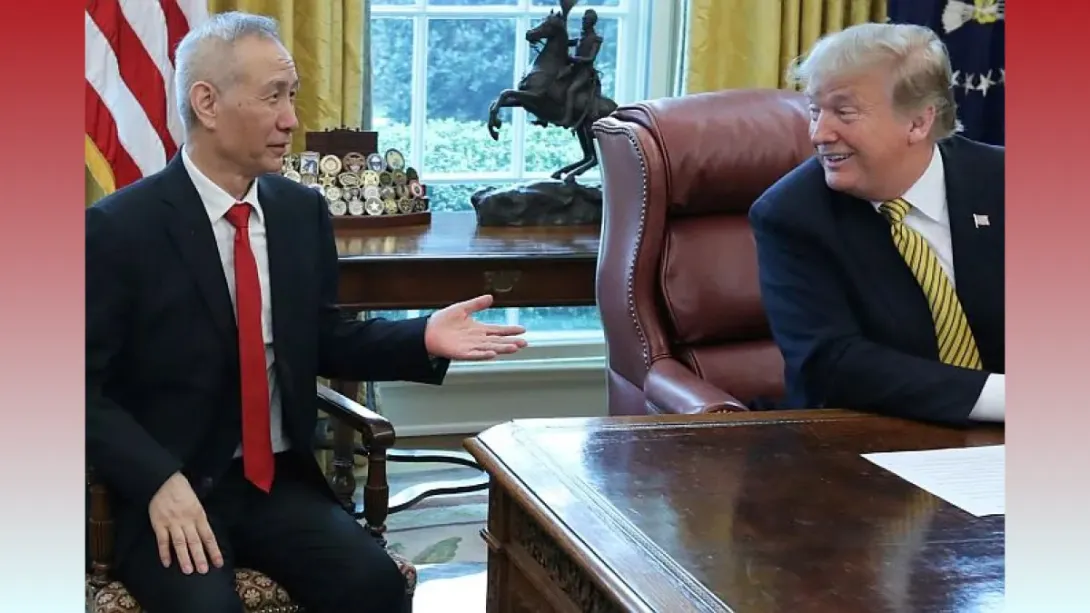
India and the United States are expected to move closer to a formal trade understanding during bilateral negotiations scheduled for December 10–11. The discussions, which come at a time of heightened geopolitical realignment and supply-chain reconfiguration, are likely to address tariff concerns, market access, digital trade norms, and investment facilitation. Both governments have signaled optimism that an agreement—potentially a limited trade package—could be finalized, marking an important step in stabilizing and expanding economic ties. As global trade patterns evolve rapidly, a closer partnership between the world’s largest and fastest-growing major economies may shape new commercial and strategic frameworks.
India–U.S. Talks Enter Crucial Phase
New Delhi and Washington are preparing for a fresh round of trade negotiations, with officials on both sides indicating progress toward a mutually beneficial agreement. The high-level dialogue will focus on tackling long-standing irritants and formalizing commitments that have been under discussion for several years.
The negotiations follow an improvement in economic engagement, with both nations emphasizing the need to streamline regulatory barriers and promote freer movement of goods, services, and investment.
Key Themes Likely to Shape the Agenda
Although neither side has shared full details, several core issues are expected to dominate the conversations:
Tariff Rationalization
The U.S. has pushed for reduced duties on select industrial and agricultural products, while India seeks fair treatment for its exports and restoration of benefits under preferential trade frameworks.
Market Access Norms
New Delhi aims to secure improved access for pharmaceuticals, agricultural commodities, and IT services. In return, Washington is likely to seek greater market access for its farm goods, energy products, and medical equipment.
Digital Trade and Data Rules
Given India’s emerging data governance framework, discussions may explore a balanced approach to cross-border data flows, cybersecurity standards, and regulatory compatibility in digital commerce.
Investment and Supply Chain Collaboration
Both sides have expressed interest in co-developing resilient supply chains, particularly in electronics, semiconductors, and critical minerals—areas where geopolitical tensions have increased global dependency concerns.
Why an Agreement Matters Now
The global trading environment is undergoing rapid transformation, with new economic blocs, evolving security alignments, and pressure to localize essential manufacturing. For India, strengthening ties with the U.S. could unlock new trade avenues, attract investment, and bolster its ambitions to become a global manufacturing hub.
For the U.S., deeper engagement with India supports diversification away from traditional supply chains and aligns with strategic objectives in the Indo-Pacific region.
An agreement, even a limited one, would signal stability in bilateral economic relations and reduce uncertainty for companies engaged in cross-border trade.
A Step Toward a Larger Economic Partnership
While expectations remain measured, the upcoming negotiations offer an opportunity to build momentum toward a more comprehensive trade arrangement. Officials suggest that the December 10–11 talks may produce a framework or an initial agreement that lays the groundwork for deeper economic cooperation.
In the long run, closer alignment between India and the United States could reshape regional commerce, strengthen strategic partnerships, and provide a foundation for collaborative technological and industrial development.
Comments