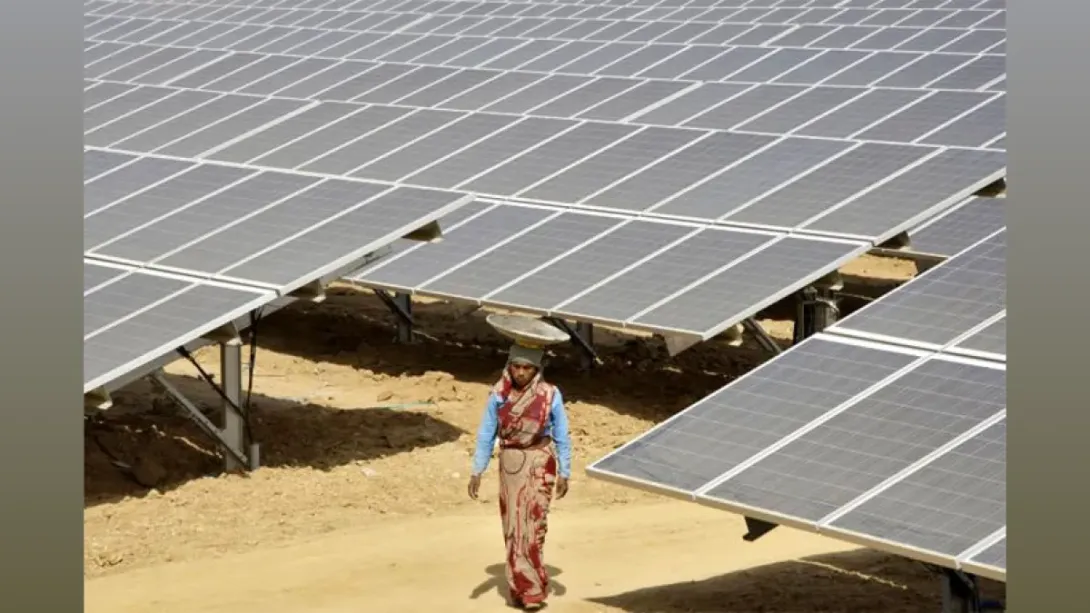
As India accelerates its renewable energy ambitions, the nation is now prioritizing energy storage independence to secure long-term sustainability and reduce import dependence. With the country targeting 500 GW of non-fossil fuel capacity by 2030, storage solutions have emerged as a critical enabler, ensuring grid stability and efficient integration of intermittent solar and wind power. Policymakers, industry leaders, and investors are aligning efforts to establish robust domestic manufacturing ecosystems for advanced batteries and grid-scale storage, aiming to transform India into a self-reliant hub that can meet its surging clean energy dIndia’s energy landscape is undergoing a profound transformation. Driven by climate commitments, rising power demand, and the strategic necessity to cut fossil fuel imports, the country has embraced renewables at an unprecedented pace. However, as solar and wind installations proliferate, the spotlight has shifted to energy storage systems—widely recognized as the backbone for balancing demand-supply fluctuations and maintaining grid resilience.
Government projections indicate that by 2030, India will need upwards of 160 GWh of energy storage capacity to effectively support its renewable portfolio. This has triggered urgent conversations around reducing dependence on battery imports, particularly lithium-ion cells that currently come predominantly from China and South Korea.
Policy Push to Build a Domestic Ecosystem
Recognizing the strategic risks of external reliance, the Indian government has rolled out a suite of incentives and policy frameworks to bolster local manufacturing. The Production-Linked Incentive (PLI) scheme for Advanced Chemistry Cell (ACC) battery storage has been a key instrument, allocating Rs. 18,100 crore to attract private investment and foster homegrown capabilities.
States like Gujarat, Tamil Nadu, and Telangana are positioning themselves as manufacturing hubs by offering land, infrastructure, and logistical support to storage developers. Additionally, regulatory guidelines are being streamlined to integrate storage seamlessly into power purchase agreements, making business models more attractive for investors.
Industry Momentum and Investor Interest
Corporate participation has surged, with major industrial houses such as Reliance Industries and Adani Group announcing multi-billion-rupee investments to set up gigafactories dedicated to battery production. Simultaneously, energy startups are innovating in niche areas like flow batteries and sodium-ion technologies, aiming to diversify the storage landscape beyond lithium.
Financial institutions and global funds are also increasingly channeling capital into India’s storage sector, encouraged by clear policy signals and long-term demand visibility. This convergence of industrial capacity and financing strength is expected to dramatically reduce costs over time, making storage solutions more viable across grid-scale, commercial, and residential applications.
Challenges and the Road Ahead
Despite this momentum, several challenges remain. Securing a steady supply of critical minerals such as lithium, cobalt, and nickel continues to be a concern, prompting India to explore international partnerships and domestic mineral extraction. Additionally, technology maturity and recycling infrastructure need significant strengthening to support a circular battery economy.
Experts argue that for India to achieve true energy storage independence, the focus must also include local R&D, skilled workforce development, and standardized safety protocols to build globally competitive products.
Conclusion: Laying the Foundation for an Energy-Secure Future
India’s determined push toward energy storage self-reliance reflects a broader vision—building a resilient, clean, and secure power system that underpins economic growth and environmental stewardship. By fostering a robust domestic storage industry, India is not just insulating itself from global supply chain vulnerabilities but also paving the way to emerge as an influential player in the global clean energy market.
Comments