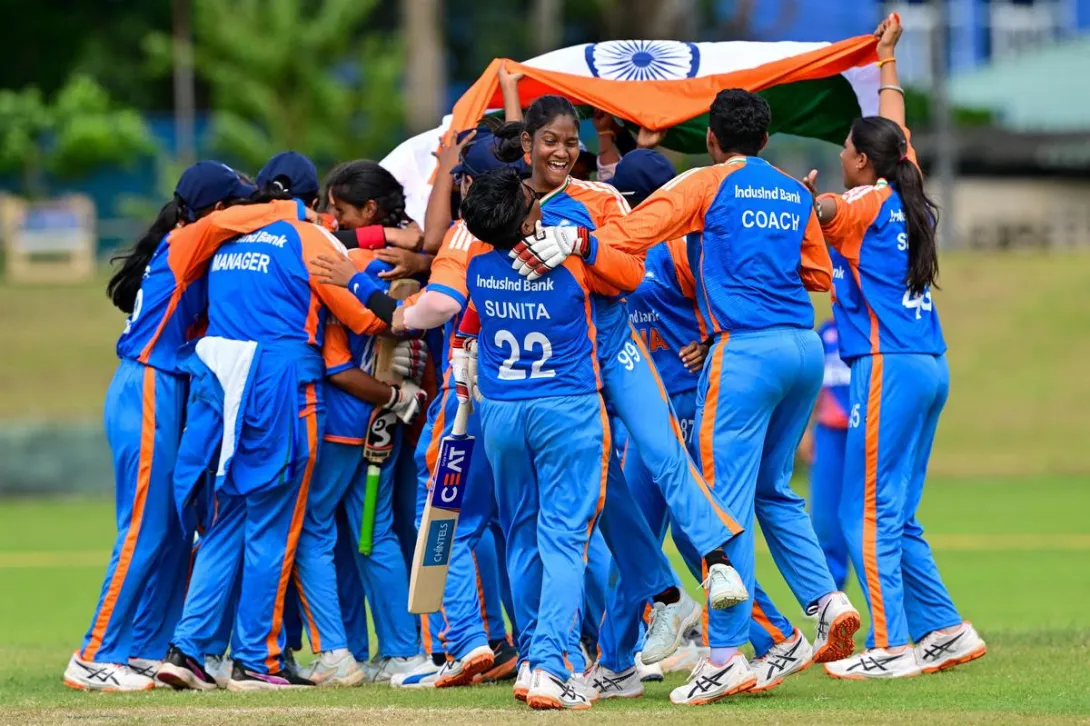
India’s women’s blind cricket team etched their names into sporting history by winning the inaugural Blind Women’s T20 World Cup, a landmark achievement that underscores the rapid growth of inclusive sports in the country. The championship not only showcased India’s dominance but also highlighted the determination and resilience of athletes who continue to challenge societal norms and physical limitations. Their triumph marks a pivotal moment in women’s adaptive sports, reflecting both strategic excellence on the field and an evolving national investment in accessible athletic ecosystems. India's victory stands as a testament to collective ambition, disciplined preparation, and unwavering belief.
---
A Milestone in Inclusive Sports
The inaugural Blind Women’s T20 World Cup brought global attention to a segment of sport that is often overlooked. India’s title win represents a significant step forward for inclusive athletics, proving that talent and commitment transcend barriers. The tournament provided a platform for women with visual impairments to showcase competitive skill, teamwork, and exceptional game awareness, ultimately reshaping perceptions around disability sports.
India’s Dominant Performance
Throughout the competition, the Indian team demonstrated clarity in strategy and consistency in execution. Their batting unit maintained stable partnerships, while the bowlers applied sustained pressure through disciplined line and length. The fielding effort—often one of the most challenging aspects in blind cricket—was marked by coordination and anticipation, reflecting months of dedicated training.
This all-round strength allowed India to command the decisive moments of the tournament, ultimately securing the trophy with confidence and composure.
Leadership and Team Structure
Behind India’s success lies a leadership group focused on empowerment and tactical clarity. Coaches, support staff, and senior players contributed to a system built on trust and role-based responsibility. The team’s communication style, honed during high-pressure training scenarios, played a crucial role in maintaining cohesion during tight phases of play.
Moreover, India’s approach emphasized adaptability—rotating bowlers to counter opposition strengths and adjusting batting plans based on pitch behavior. This flexibility became a defining advantage as the tournament progressed.
Broader Impact on Women’s Sports in India
India’s victory carries significance beyond the immediate celebration. It reinforces the growing momentum for women’s sports across the country, particularly in formats that celebrate inclusivity. The triumph is expected to encourage greater institutional support, including structured training programs, investment in adaptive sports technology, and enhanced opportunities for grassroots participation.
The win also amplifies the conversation around equal recognition for athletes with disabilities. With increased visibility, policymakers and sporting authorities may accelerate reforms that promote accessibility, infrastructure development, and long-term athlete welfare.
A Vision for the Future
The inaugural Blind Women’s T20 World Cup marks the beginning of a transformative era. India’s victory sets a benchmark for professionalism, preparation, and sporting integrity within the category. It also serves as powerful inspiration for young athletes who aspire to compete at the highest level despite physical challenges.
As the sport continues to expand, India is well-positioned to remain a leading force, shaping both competitive standards and global awareness of blind cricket.
Comments