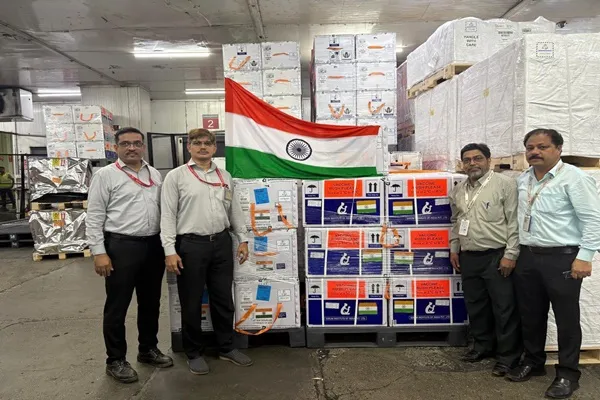
In a significant gesture of global solidarity, India has shipped 3 lakh doses of the Measles-Rubella (MR) vaccine to Bolivia, reinforcing its stature as a dependable contributor to international public health initiatives. This strategic move not only aims to support Bolivia’s immunization campaign but also exemplifies India’s growing role as a global vaccine supplier under its health diplomacy framework. The consignment underscores the nation’s ongoing commitment to disease eradication efforts in vulnerable regions, highlighting how South-South cooperation can bridge critical healthcare gaps in lower- and middle-income countries.
---
India’s Expanding Role in Global Health Assistance
India’s decision to supply Bolivia with 3 lakh MR vaccine doses is the latest in a series of humanitarian and health-focused collaborations that illustrate the country’s expanding influence in global medical outreach. Over the past decade, India has emerged as a central player in the pharmaceutical export space, known for providing cost-effective vaccines and therapeutics to developing nations.
The shipment, made under government-to-government cooperation, aligns with India’s broader “Vaccine Maitri” initiative—an outreach program aimed at delivering essential vaccines to partner nations, particularly those in the Global South.
---
Addressing Public Health Challenges in Bolivia
Bolivia, like many countries in Latin America, has faced persistent challenges in achieving full immunization coverage, particularly among children in remote and underserved communities. The dual threats of measles and rubella continue to pose a public health risk in regions where vaccine accessibility remains inconsistent.
By supplying the MR vaccines, India is directly contributing to Bolivia’s national immunization campaign aimed at reducing the incidence of these contagious and potentially severe diseases. The initiative will help protect thousands of children from complications such as pneumonia, encephalitis, and congenital rubella syndrome—conditions that can have long-term, disabling effects.
---
Strategic Implications of Health Diplomacy
This vaccine shipment is not merely an act of goodwill—it is a calculated demonstration of strategic health diplomacy. As the global balance of power shifts toward multipolar engagement, countries like India are leveraging their biomedical manufacturing capabilities to extend their geopolitical influence.
Such initiatives bolster bilateral ties while also positioning India as a reliable partner in pandemic preparedness, vaccine equity, and universal health coverage. In doing so, the country builds soft power and earns diplomatic goodwill that can support broader foreign policy objectives.
---
India’s Vaccine Manufacturing Strength
India is home to some of the world’s largest vaccine manufacturers, including firms that have supplied millions of doses to both global health organizations and individual countries. The Serum Institute of India, Bharat Biotech, and other domestic producers have played a key role in delivering affordable, WHO-prequalified vaccines to lower-income nations.
The current shipment to Bolivia underscores India's manufacturing efficiency and logistical capability to execute time-sensitive, cross-border public health interventions—qualities that became especially evident during the COVID-19 crisis.
---
Toward a Healthier, More Cooperative World
The export of MR vaccine doses to Bolivia is a clear reflection of India’s commitment to equitable global health access. It reinforces the principle that global health security is not a zero-sum game, but a shared responsibility requiring collaboration, trust, and timely action.
As India continues to assert itself as a leader in the healthcare supply chain, initiatives like this not only help countries like Bolivia tackle pressing immunization challenges but also set a precedent for international cooperation rooted in compassion and science.
---
Conclusion
India’s dispatch of 3 lakh Measles-Rubella vaccine doses to Bolivia marks more than a logistical achievement—it is a symbol of shared responsibility and enduring international solidarity. As the world grapples with old and emerging health threats, such acts of cooperation offer a blueprint for global partnerships that transcend borders, politics, and economics in pursuit of a common goal: protecting human life.
Comments