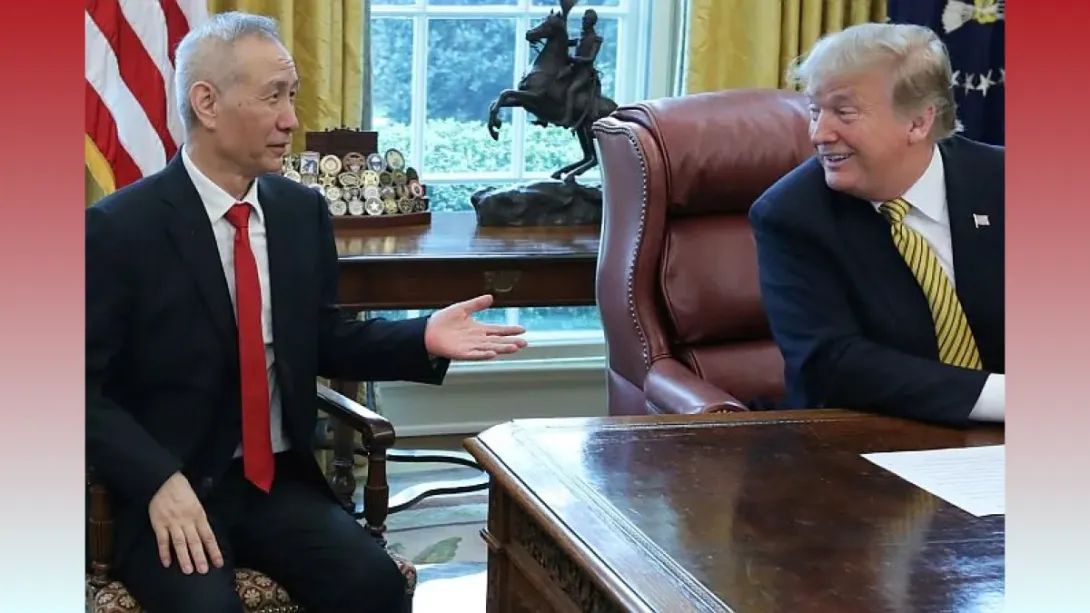
In a timely decision that brings relief to Indian exporters, the United States has extended the suspension of certain retaliatory tariffs on goods originating from India until August 1. This move averts immediate cost pressures on key Indian sectors such as jewellery, automotive parts and textiles, which had faced the threat of renewed duties. The extension provides Indian manufacturers and exporters crucial breathing space to navigate evolving trade dynamics, while also allowing both nations to continue dialogue on more permanent solutions. For India, the temporary reprieve underscores the significance of maintaining stable bilateral ties with its largest export market.
A Critical Extension in a Fragile Trade Climate
The announcement by Washington to prolong the suspension of additional tariffs on select Indian goods until August 1 comes as a timely safeguard. These duties, originally conceived as retaliatory measures under the Section 301 investigations framework, were slated to be reinstated, potentially raising the landed cost of several Indian products in the U.S. market. The extension now defers that risk, granting Indian exporters vital continuity at a time when global trade is already grappling with logistical disruptions, currency volatility and subdued consumer sentiment in advanced economies.
Sectors Poised to Benefit
Jewellery and precious stones, automotive components, leather products, and certain categories of textiles stand out among the Indian exports that would have borne the brunt of these duties. The deferment ensures that these sectors retain their competitive edge in the U.S. — a market that absorbs close to 18% of India’s total merchandise exports. For many small and medium enterprises, particularly in traditional clusters such as Surat and Tiruppur, this decision translates directly into safeguarding order books and preserving jobs.
Strategic Implications for Bilateral Ties
The extension signals a pragmatic stance by the United States in managing its trade relationships with India, reflecting a broader intent to stabilise ties with key strategic partners. While the suspension is temporary, it offers both sides a window to pursue negotiations aimed at ironing out long-standing trade frictions. From market access barriers to intellectual property concerns, the bilateral trade agenda remains expansive. Yet this development underscores mutual recognition that punitive tariffs are ultimately counterproductive to shared economic interests.
A Mixed Outlook: Relief Now, Uncertainty Ahead
While exporters can breathe easier for the next few weeks, the limited duration of the extension means the underlying uncertainty persists. Should talks falter or broader geopolitical shifts alter trade priorities, Indian manufacturers could once again find themselves contending with higher duties. Many industry leaders are therefore advocating for a more comprehensive resolution — ideally through revised agreements that provide long-term tariff clarity and enhanced market access.
Conclusion: A Temporary Cushion with a Call for Lasting Solutions
The U.S. decision to prolong tariff suspension until August 1 offers India a timely reprieve, protecting crucial export sectors from immediate financial strain. However, the clock is ticking. It remains imperative for policymakers and industry stakeholders on both sides to leverage this extension to secure more durable trade arrangements. Only by moving beyond stop-gap measures can India and the United States ensure their commercial ties continue to thrive amid an increasingly uncertain global economic landscape.
Comments