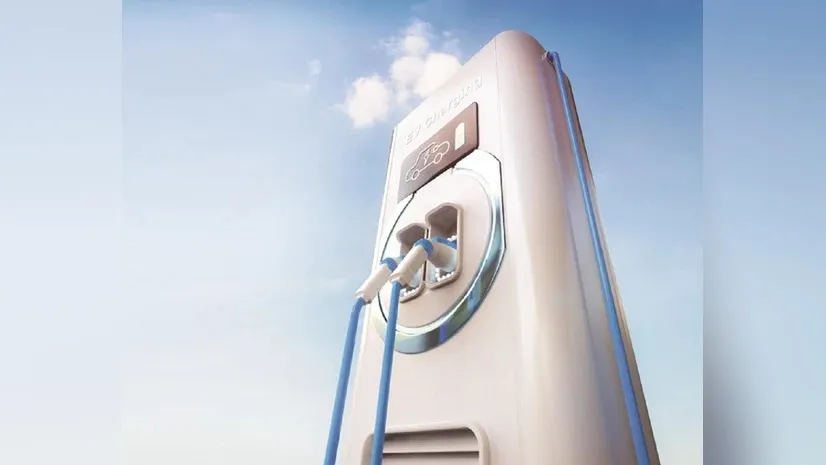
India has unveiled updated guidelines to accelerate the deployment of electric vehicle (EV) charging stations across the country, aiming to support its ambitious clean mobility transition. The government’s directives outline operational standards, pricing structures, and technical requirements to ensure charging facilities are accessible, affordable, and efficient. These rules are designed to create investor confidence, attract private participation, and reduce bottlenecks in the EV ecosystem. By focusing on both public and private charging infrastructure, the framework seeks to balance consumer convenience with economic viability, laying the groundwork for a robust and future-ready energy network.
Emphasis on Accessibility and Convenience
The new policy underscores the importance of public charging stations at regular intervals along highways, city centers, and residential clusters. The guidelines stipulate that at least one charging station should be available every 25 kilometers on both sides of major highways, ensuring seamless long-distance travel for EV owners. Urban areas are also encouraged to integrate charging points within commercial complexes, office spaces, and housing societies to address the growing demand for overnight and workplace charging solutions.
Standardization and Technical Framework
To maintain uniformity and compatibility, the government has mandated adherence to specific technical protocols, including globally recognized charging connectors and safety mechanisms. This move reduces interoperability challenges that consumers often face, making it easier for EV users to access different networks without device-specific restrictions. Further, operators must provide transparent pricing based on cost of electricity plus a nominal service charge, eliminating hidden costs and promoting trust in the system.
Incentives for Private Participation
Recognizing the need for large-scale investment, the government has laid out incentives for private players, including relaxed licensing norms and eligibility for subsidies under clean energy schemes. This is expected to attract startups, energy companies, and automobile manufacturers into the charging sector. The framework also recommends renewable energy integration at charging hubs, allowing operators to cut costs and reduce grid dependency, while aligning with India’s decarbonization goals.
Consumer-Centric Approach
The guidelines prioritize consumer convenience through mobile app integration, digital payment options, and real-time availability updates. The government envisions a unified platform that provides EV owners with location details, charging status, and tariff information. This digital-first approach aims to eliminate range anxiety and enhance the user experience, which remains a critical factor in EV adoption.
Road Ahead for India’s EV Transition
India’s latest policy initiative represents a decisive step toward establishing a nationwide EV ecosystem. While challenges such as high capital expenditure, land acquisition, and grid readiness persist, the clear framework is expected to streamline collaboration between stakeholders. If implemented effectively, these measures could transform India into one of the fastest-growing EV markets globally, reducing reliance on fossil fuels and strengthening energy security.
Comments