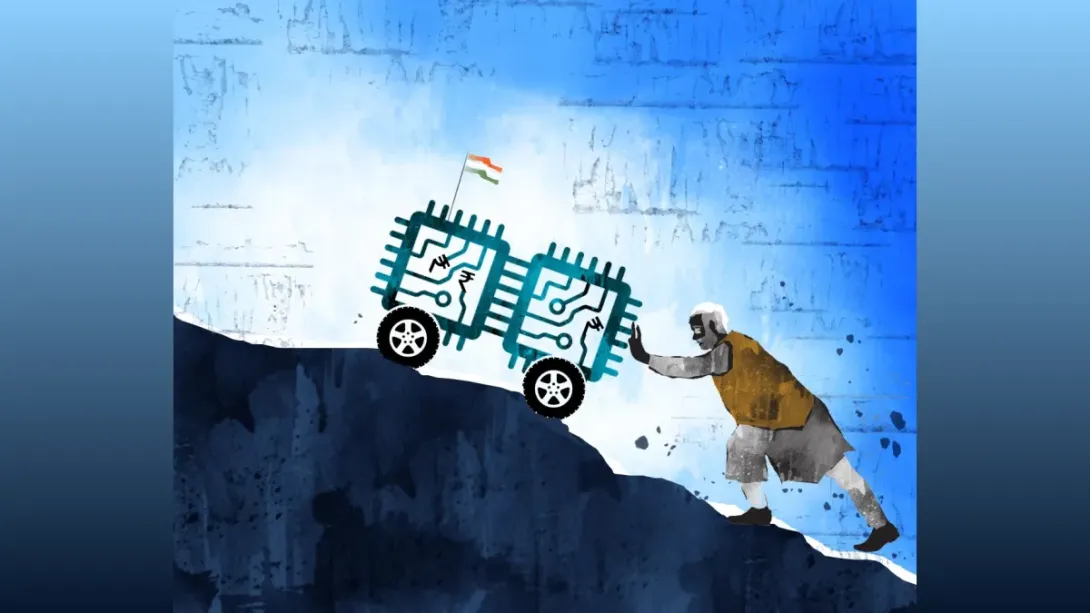
India is poised to unveil its first domestically manufactured semiconductor chip by the end of this year, marking a pivotal milestone in the country’s technological and industrial development. This initiative is part of a broader strategy to reduce import dependence, strengthen the domestic electronics ecosystem, and enhance India’s global competitiveness in high-tech manufacturing. Analysts emphasize that the launch could catalyze innovation, attract investment in semiconductor fabrication, and create skilled employment opportunities. By advancing indigenous chip production, India aims to secure critical supply chains, support digital transformation initiatives, and bolster national capabilities in strategic technology sectors.
Strategic Significance of Domestic Chip Manufacturing
The launch of a made-in-India semiconductor chip represents a critical step toward technological self-reliance. With global chip shortages highlighting the vulnerabilities of import-dependent supply chains, domestic production is expected to strengthen India’s electronics and IT hardware industries. This initiative also aligns with national priorities of enhancing innovation and fostering high-value manufacturing capabilities.
Industry and Economic Implications
Experts note that indigenous chip production could significantly reduce import costs, improve supply chain resilience, and stimulate growth in related sectors such as consumer electronics, telecommunications, and automotive technology. The move is expected to attract domestic and foreign investment in semiconductor fabrication plants, research centers, and allied industries, boosting economic activity and employment generation.
Technological Innovation and Skill Development
The initiative emphasizes high-end research and development in semiconductor technology. Skill development programs and specialized training for engineers and technicians will support the ecosystem, ensuring that India develops not only manufacturing capacity but also advanced technological expertise in microelectronics. This could position India as a competitive player in the global semiconductor landscape.
Challenges and Future Outlook
While the milestone is significant, challenges such as scaling production, maintaining global quality standards, and fostering supply chain integration remain. Policymakers and industry leaders must ensure infrastructure readiness, regulatory support, and strategic partnerships to sustain growth. Nevertheless, the launch underscores India’s commitment to technological sovereignty and its ambition to become a major hub for semiconductor manufacturing in the coming decade.
Comments