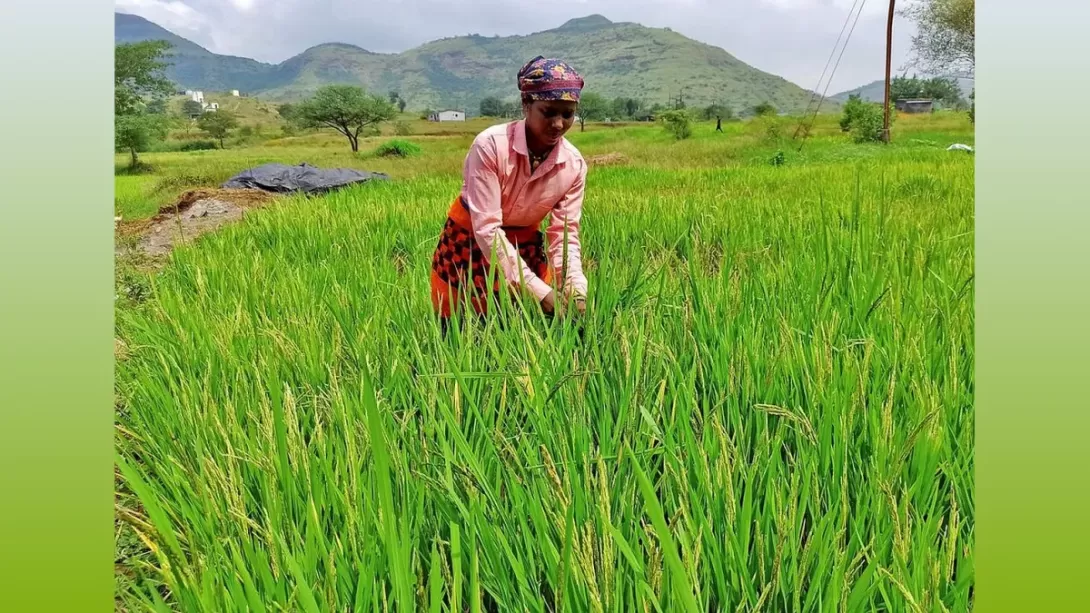
India is on track to surpass previous foodgrain production records during the 2025-26 kharif season, supported by forecasts of an above-normal monsoon and a nationwide agricultural campaign led by Agriculture Minister Shivraj Singh Chouhan. The minister emphasized the need for stringent laws to curb the sale of counterfeit pesticides and improve soil health management. The government’s ongoing outreach aims to address farmers’ challenges, refine agricultural policies, and enhance crop yields. With coordinated research, better inputs, and favourable weather conditions, India expects to bolster food security and reduce import reliance in key sectors such as pulses and oilseeds.
Outlook for Kharif Foodgrain Production
As the kharif sowing season approaches, India anticipates a historic surge in foodgrain output for 2025-26, building on a record 168.06 million tonnes achieved in 2024-25. Agriculture Minister Shivraj Singh Chouhan cited optimistic monsoon projections and intensified farmer engagement initiatives as critical drivers behind this forecast. The kharif season, beginning in July with the onset of the southwest monsoon, is essential to India’s agrarian economy, accounting for a substantial portion of the nation’s annual crop production.
The India Meteorological Department (IMD) has predicted an above-normal monsoon for the 2025 season, expected to rejuvenate mid-June after a brief pause, bringing ample rainfall to central and eastern India. This climatic advantage is poised to amplify sowing activity and boost crop yields.
Addressing Challenges: Pesticides and Soil Health
Minister Chouhan highlighted pressing concerns raised by farmers during the ongoing 15-day Viksit Krishi Abhiyan (Developed Agriculture Campaign), which includes visits to 10 states. Among the issues is the proliferation of fake and substandard pesticides, which compromise crop health and farmer livelihoods.
To counteract this, the minister urged the enactment of stricter legislation imposing severe penalties on manufacturers and sellers of poor-quality agrochemicals. Current regulations, he noted, are insufficient, allowing offenders to escape with nominal fines.
Additionally, improved implementation of soil health cards is a priority to promote balanced fertilizer use, optimize soil nutrient management, and ultimately enhance productivity sustainably.
Enhancing Crop Resilience and Policy Adaptation
Feedback from farmers also revealed that certain crop varieties have developed resistance to emerging pests, highlighting the need for adaptive research and policy frameworks. The government plans to develop short-, medium-, and long-term strategies informed by field-level insights to tackle these evolving agronomic challenges effectively.
The minister acknowledged the positive trajectory in pulses and oilseed production but emphasized that India must intensify efforts to reduce dependency on imports. This includes distributing superior seeds, promoting best agricultural practices, and strengthening procurement mechanisms.
Bridging Yield Gaps through Targeted Schemes
To address disparities in crop yields, the government has identified 100 districts under the Pradhan Mantri Dhan Dhyan Krishi Yojana scheme. This targeted initiative aims to close per-hectare yield gaps by deploying precision interventions tailored to regional agricultural contexts. The contours of the scheme are being finalized and will be launched shortly, signaling a focused approach to bolster farm incomes and food production.
Conclusion: A Confluence of Policy, Weather, and Farmer Engagement
India’s prospects for a record-breaking kharif foodgrain production rest on the convergence of favourable monsoon rains, government-led outreach campaigns, stringent quality control in agro-inputs, and adaptive research. Agriculture Minister Shivraj Singh Chouhan’s proactive measures demonstrate a commitment to sustainable agricultural growth, enhancing both productivity and farmer welfare. As the 2025-26 kharif season unfolds, these combined efforts are poised to reinforce India’s standing as a global agricultural powerhouse and secure its food security objectives.
Comments