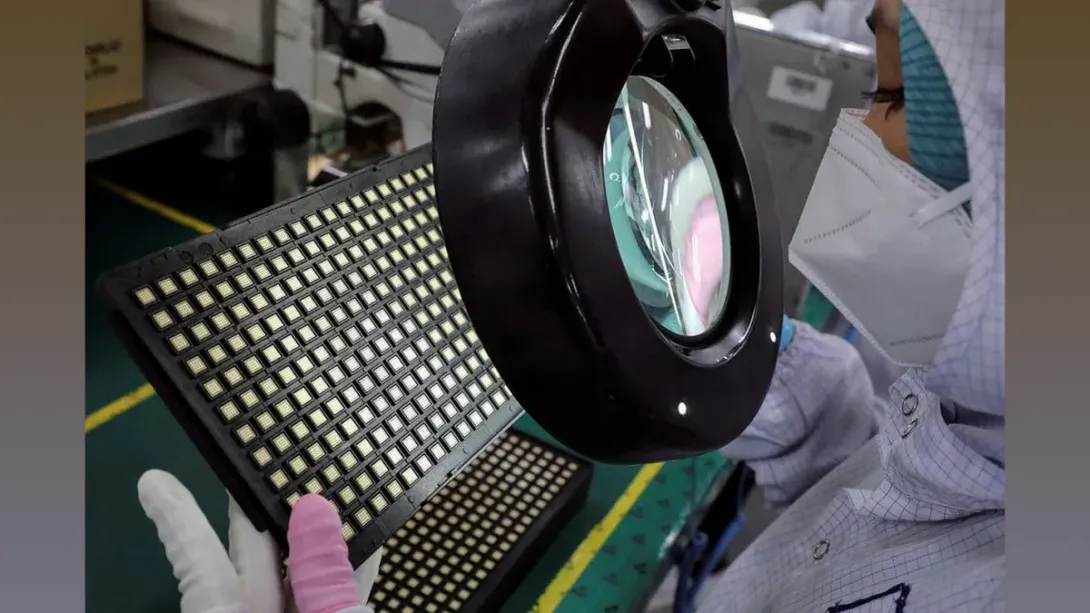
India has unveiled an ambitious plan to manufacture 24 billion semiconductor chips annually, underscoring its strategic push to become a global hub for chip production. The initiative comes amid growing geopolitical tensions and global supply chain disruptions that have highlighted the urgent need for chip self-reliance. With government-backed incentives, strong international partnerships, and massive capital investments, the country is positioning itself as a vital player in the global semiconductor ecosystem. This move is also expected to reduce dependency on imports, create high-value jobs, and foster innovation across multiple industries including automotive, electronics, telecom, and defense.
---
National Semiconductor Vision Gains Momentum
India’s goal to produce 24 billion chips annually marks a significant leap in its industrial and technological aspirations. The move is part of the broader semiconductor mission aimed at boosting domestic capacity, attracting global manufacturers, and creating a resilient, end-to-end supply chain within the country.
As chip demand surges across sectors—from smartphones and electric vehicles to cloud computing and military-grade hardware—India is stepping in to fill a crucial gap in the global market, positioning itself as an alternative to traditional manufacturing powerhouses like Taiwan, South Korea, and China.
---
Robust Investment and Policy Framework
The government has launched a series of financial and regulatory incentives to accelerate semiconductor manufacturing. These include the Semiconductor Mission with an outlay of Rs. 76,000 crore, aimed at providing capital support for the construction of fabrication units, packaging plants, and design facilities.
Multiple states have also announced dedicated semiconductor policies offering land, infrastructure, and tax rebates to attract investments. Several high-profile joint ventures and MOUs have been signed with global tech giants and foundry operators, highlighting India’s emerging credibility in the field.
---
Strategic Importance and Economic Implications
The ability to manufacture chips at scale is not merely a technological milestone but a strategic imperative for India. Amid escalating geopolitical uncertainties and the ongoing U.S.-China tech war, nations are reassessing their dependencies on single-source suppliers.
For India, local chip production ensures continuity in critical infrastructure sectors, enhances national security, and reduces foreign exchange outflows associated with semiconductor imports. Moreover, the initiative is expected to create an ecosystem of over 85,000 highly skilled jobs, catalyze academic R&D, and stimulate local startups in design and testing.
---
Challenges Ahead
While the vision is bold, the path forward is complex. Semiconductor fabrication is capital-intensive, requires cutting-edge R&D, and depends heavily on a reliable supply of ultrapure materials and skilled engineers. Infrastructure bottlenecks, power availability, and a nascent talent pipeline pose potential challenges.
However, with strong political will, public-private collaboration, and a clear strategic roadmap, these hurdles are being methodically addressed. Efforts are also underway to integrate chip design curriculum in leading universities to develop long-term talent.
---
A Transformative Shift in India’s Industrial Landscape
The move to produce 24 billion chips annually is more than a manufacturing target—it’s a transformative moment that signals India’s emergence as a tech manufacturing powerhouse. It places the country in a pivotal position in the global technology value chain and marks a critical step in redefining its economic future.
As India shifts from being a consumer of global technologies to a producer of critical components, the semiconductor initiative stands as a testament to its evolving industrial maturity and long-term strategic vision.
Comments