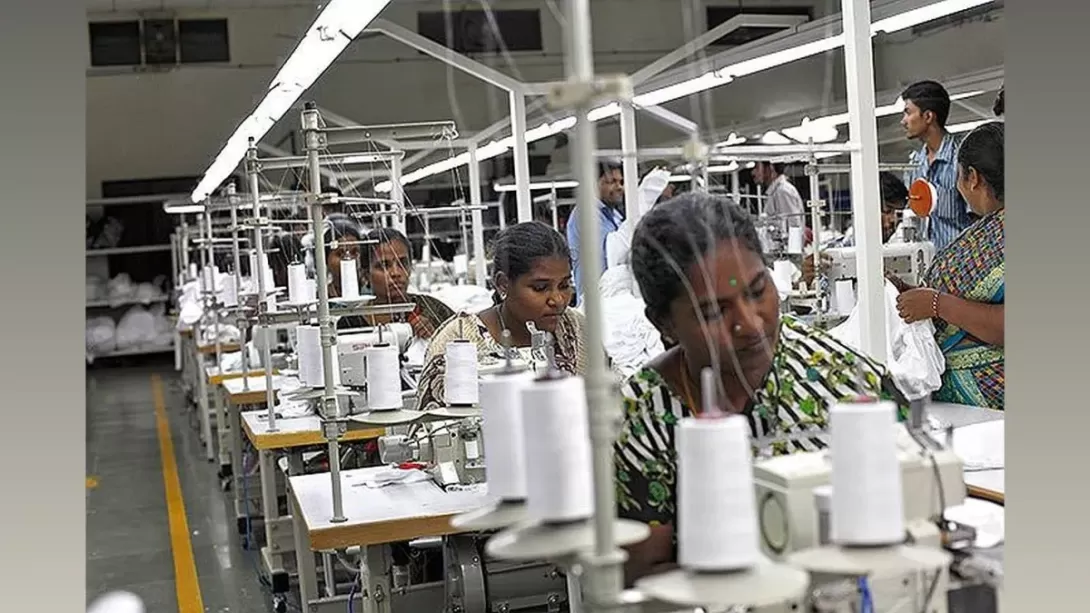
In a strategic move to bolster India’s presence in global textile markets, the Commerce Ministry has launched a high-level task force aimed at propelling textile exports to USD 100 billion by 2030–31. Chaired by Commerce Secretary Sunil Barthwal, the task force will serve as a unified platform to address sectoral challenges, enhance competitiveness, and guide policy reforms. The inaugural meeting, held on June 10, brought together key government officials and industry stakeholders to discuss innovations, logistics, renewable energy, labour, and global trade opportunities. The initiative signals a concerted push to strengthen India’s textile value chain and global market share.
A Unified Strategy to Revamp India's Textile Exports
India’s ambitions to transform its textile sector into a global export powerhouse took a decisive step forward with the formation of a dedicated task force under the Commerce Ministry. Spearheaded by Commerce Secretary Sunil Barthwal, the initiative seeks to unify stakeholders across the textile ecosystem and craft a comprehensive strategy to scale outbound shipments to USD 100 billion by FY 2030–31.
The task force will function as a central platform to align policy, industry priorities, and international trade objectives—especially at a time when global demand for sustainable and value-added textiles is rising.
Key Focus Areas: Innovation, Trade Agreements, and Value Chain Strengthening
At the heart of the task force's agenda is value chain optimisation—ranging from raw material production to final exports. The Commerce Ministry’s meeting highlighted the pressing need for:
- Innovation and trend responsiveness: Rajesh Agrawal, Special Secretary at the Department of Commerce, emphasized the importance of embedding innovation and aligning with contemporary global fashion and textile trends.
- Maximizing trade agreements: As India enters multiple bilateral and multilateral trade negotiations, the government is actively seeking to eliminate tariff barriers. The onus is now on the industry to leverage these agreements effectively and increase its international footprint.
Sector-Wide Participation and Sub-Task Forces
The June 10 meeting convened representatives from textile export promotion councils, industry associations, and various government bodies to ensure a 360-degree view of the sector’s needs. Stakeholders provided feedback on existing schemes and proposed actionable reforms across the following domains:
- Labour and skill development
- Cost competitiveness
- Renewable energy usage in manufacturing
- Logistics optimization
- Productivity in natural fibre segments (e.g., jute)
- Compliance with Quality Control Orders (QCOs)
To deepen sectoral engagement, the task force will be supported by sub-task forces, each led by relevant ministries in collaboration with export councils and industry experts. These specialized units will be responsible for generating tailored recommendations and operational frameworks for approval and implementation.
The Road Ahead: Challenges and Strategic Opportunities
India’s textile industry contributes significantly to GDP, employment, and foreign exchange earnings. However, global competition from nations like Bangladesh, Vietnam, and China—coupled with rising input costs and inconsistent logistics infrastructure—has dampened export growth in recent years.
The creation of a unified task force reflects India’s intent to transform structural inefficiencies into growth levers. If executed with precision, the initiative could help Indian textiles transition from low-margin commodity exports to high-value, sustainable, and fashion-forward products.
With policy synergy, trade liberalization, and targeted sectoral interventions, India has the potential to reclaim a larger share of the global textile market, which is projected to exceed USD 1 trillion by the end of the decade.
Conclusion
The Commerce Ministry’s textile export task force is a welcome development that underscores India’s commitment to long-term industrial competitiveness. By integrating government, industry, and trade bodies under a single strategic platform, the initiative paves the way for systemic reforms, global positioning, and resilient growth. If sustained with urgency and clarity, it could herald a new era for Indian textiles on the world stage—an era defined by scale, innovation, and sustainability.
Comments