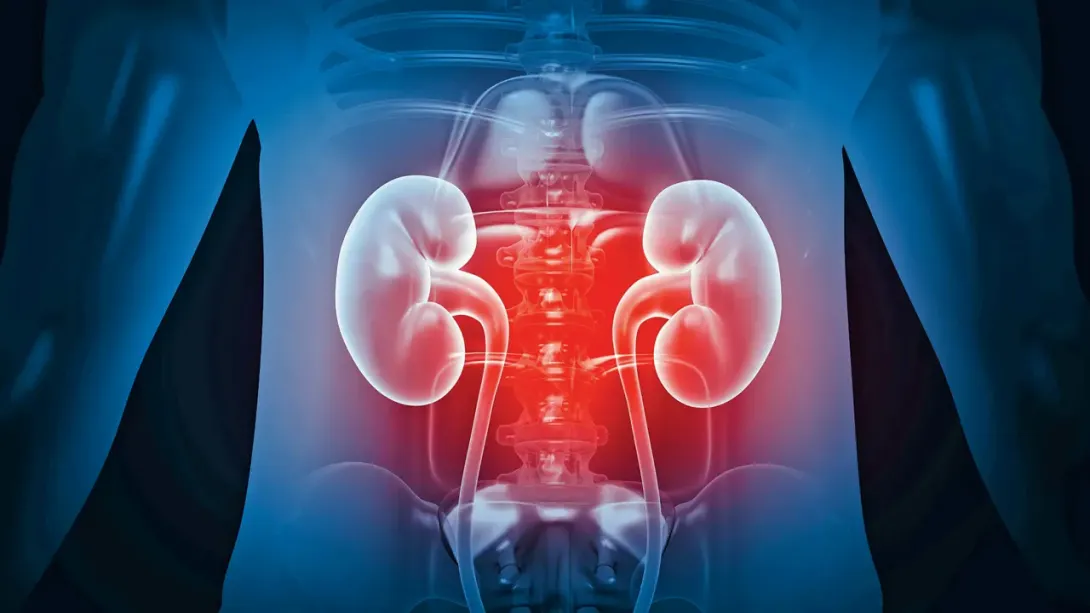
India is witnessing significant developments in kidney transplantation, addressing the growing gap between patients requiring renal care and available donors. Recent policy updates, medical innovations, and enhanced transplant infrastructure are aimed at improving patient outcomes and reducing waiting times. The initiative emphasizes ethical organ donation, regulatory oversight, and financial support mechanisms to make transplantation more accessible. Medical professionals highlight advances in surgical techniques, immunosuppressive therapy, and post-operative care, which have substantially improved survival rates. Stakeholders see these developments as pivotal for healthcare equity, patient safety, and long-term management of chronic kidney disease in India.
Rising Need for Kidney Transplants
- Prevalence of Kidney Disease: Chronic kidney disease affects millions, with end-stage renal failure requiring timely transplantation.
- Donor Shortage: Despite awareness campaigns, organ donation rates remain below demand, highlighting the need for regulatory and social interventions.
- Patient Demographics: Both urban and rural populations are impacted, with lifestyle diseases and hypertension being major contributors to kidney failure.
Policy and Regulatory Framework
- Ethical Oversight: National guidelines ensure transparent donor-recipient matching, preventing illegal practices.
- Financial Assistance: Government and private programs subsidize transplant costs, immunosuppressive drugs, and follow-up care.
- Streamlining Procedures: Hospitals are adopting standardized protocols to reduce waiting times and improve surgical outcomes.
Medical Innovations and Research
- Surgical Advancements: Minimally invasive techniques and robotic-assisted procedures enhance recovery and reduce complications.
- Post-Transplant Care: Modern immunosuppressive regimens minimize rejection risk and enhance long-term graft survival.
- Research Initiatives: Ongoing clinical studies focus on organ preservation, regenerative therapies, and donor-recipient compatibility optimization.
Future Outlook
Experts underscore the importance of expanding donor networks, raising awareness about living and deceased donations, and integrating cutting-edge technology to enhance kidney transplant outcomes. The combined efforts of policymakers, healthcare providers, and civil society aim to create a sustainable, ethical, and patient-centric transplant ecosystem across India.
Comments