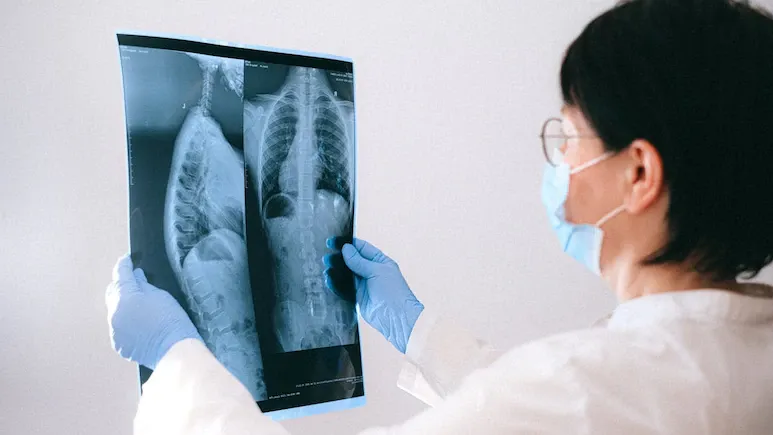
India’s health authorities have released updated guidelines for tuberculosis (TB) management, aiming to enhance early detection, treatment adherence, and patient outcomes. The new framework emphasizes rapid molecular diagnostics, standardized treatment regimens, and comprehensive monitoring to address drug-resistant TB strains. Public health campaigns will focus on increasing awareness, reducing stigma, and integrating TB care with primary healthcare services. Experts highlight that streamlined guidelines are crucial to achieving the country’s goal of TB elimination by 2030. By combining evidence-based protocols with technological innovation and community engagement, India seeks to reduce morbidity, prevent transmission, and mitigate the socio-economic burden of TB.
Strengthening TB Diagnosis
The revised guidelines prioritize the use of molecular diagnostic tools, including GeneXpert and line probe assays, to enable rapid and accurate detection of Mycobacterium tuberculosis and resistance profiles. Early diagnosis is critical to initiating timely treatment and preventing community transmission. Training programs for healthcare providers aim to standardize testing procedures, ensuring uniformity across public and private sectors.
Treatment Protocols and Drug-Resistant TB
Updated treatment regimens incorporate the latest evidence for multidrug-resistant (MDR) and extensively drug-resistant (XDR) TB. The guidelines emphasize adherence monitoring, fixed-dose combination therapy, and patient-centered approaches to reduce default rates. Integration of digital adherence technologies, such as mobile reminders and telemedicine consultations, supports consistent follow-up and minimizes complications.
Public Health and Community Engagement
Reducing stigma and increasing awareness remain central to the TB control strategy. Community health workers are being mobilized to educate families, promote early screening, and support patients throughout the treatment cycle. Public-private partnerships are encouraged to expand access to diagnostics, medicines, and support services, particularly in remote and underserved regions.
Socio-Economic Implications
TB continues to impose a substantial economic burden through treatment costs, lost productivity, and long-term health consequences. Strengthened guidelines aim to reduce hospitalization rates, prevent drug resistance, and ensure cost-effective management. Experts suggest that improved TB control will have downstream benefits for workforce participation, healthcare expenditure, and national productivity.
Future Directions
Ongoing research and surveillance will refine the guidelines further, incorporating novel diagnostics, shorter treatment regimens, and precision medicine approaches. Investments in vaccination strategies, particularly the development of new TB vaccines, are also prioritized to complement treatment efforts and achieve sustainable elimination targets.
Conclusion
India’s updated TB guidelines represent a comprehensive effort to modernize diagnosis, treatment, and public health response. By integrating technological innovation, evidence-based clinical protocols, and community engagement, the country aims to curb TB transmission, improve patient outcomes, and move closer to its 2030 TB elimination goal. Effective implementation will require sustained collaboration between government, healthcare providers, and civil society.
Comments