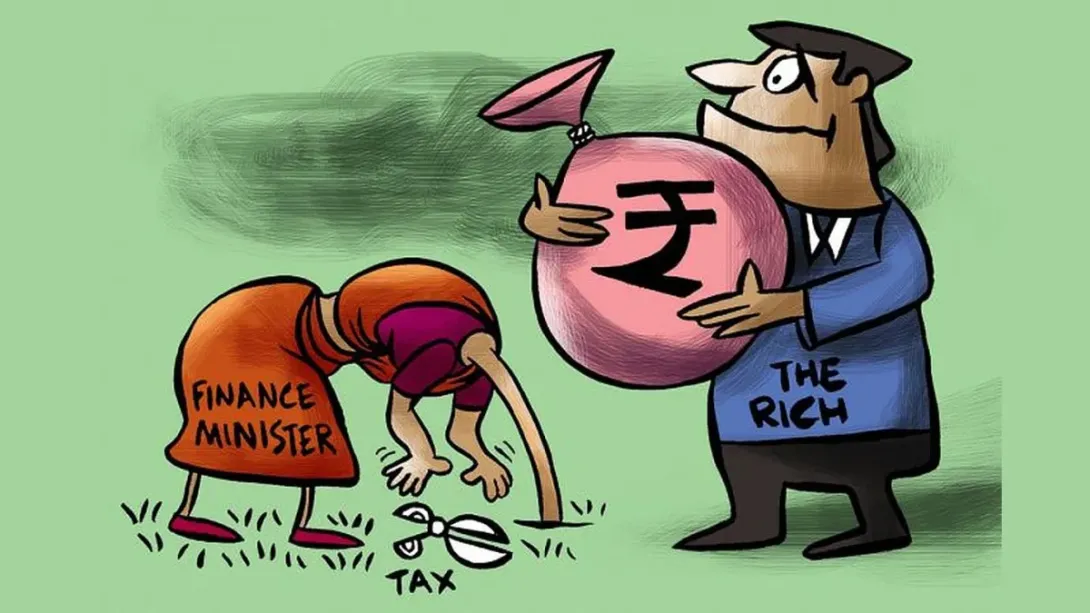
India's corporate tax collections for the financial year 2023–24 revealed a significant revenue sacrifice, with the government foregoing Rs. 99,000 crore through various exemptions and concessions. While this figure underscores the country’s commitment to nurturing investment and supporting industry through fiscal incentives, it also raises questions about the balance between promoting economic growth and safeguarding public revenues. The data reflects the ongoing policy trade-offs between easing the tax burden on businesses and ensuring adequate resources for public expenditure in a fast-developing economy.
---
Corporate Tax Concessions: A Strategic Trade-off
In FY24, the Indian government relinquished an estimated Rs. 99,000 crore in potential corporate tax revenues. This figure represents tax benefits extended through deductions, exemptions, and concessional rates provided under various incentive frameworks. These policies are primarily designed to stimulate industrial growth, attract foreign direct investment (FDI), and strengthen domestic manufacturing capacities under initiatives such as ‘Make in India’ and the Production Linked Incentive (PLI) scheme.
Such foregone revenue forms part of a strategic calculus aimed at long-term economic benefits, rather than short-term fiscal maximization. While these concessions reduce the immediate tax inflow, they are expected to yield dividends in the form of higher employment, increased capital formation, and enhanced global competitiveness.
---
Shifts in Tax Policy Landscape
The corporate tax regime has undergone a structural shift in recent years. In a landmark move in 2019, India slashed the base corporate tax rate for domestic companies from 30% to 22% (and to 15% for new manufacturing firms), conditional on the forgoing of most exemptions and deductions. This reform was intended to streamline tax administration, reduce litigation, and encourage compliance.
While the effective rate reduction did lead to a surge in tax opt-ins under the new regime, it also contributed to the widening gap between potential and actual collections. The Rs. 99,000 crore figure in FY24 demonstrates that while some firms have moved to the new lower-tax structure, others continue to benefit from legacy exemptions and sector-specific incentives.
---
Sectoral Insights and Fiscal Implications
Tax expenditures are not uniformly distributed across sectors. Capital-intensive industries, including infrastructure, pharmaceuticals, power, and information technology, tend to benefit the most from accelerated depreciation, investment-linked deductions, and R&D incentives. Export-oriented sectors and special economic zones (SEZs) also enjoy favorable treatment, aligning with the country’s export-led growth model.
However, recurring high levels of forgone revenue invite scrutiny in terms of fiscal prudence. At a time when public infrastructure, education, and healthcare need sustained investment, the government must carefully assess the opportunity cost of continued tax leniency. Enhancing transparency in tax expenditures and measuring the actual return on such incentives will be crucial going forward.
---
Balancing Growth and Revenue Mobilization
The Rs. 99,000 crore in corporate tax concessions is not merely a loss—it’s a calculated bet on the future of the Indian economy. Policymakers face the perennial challenge of calibrating tax policy to ensure it supports entrepreneurship and capital inflows without compromising fiscal discipline. As India eyes a $5 trillion GDP target, efficient tax design and strategic incentive allocation will play a pivotal role in aligning corporate ambitions with national priorities.
The broader objective remains clear: to create an ecosystem that attracts investment, fosters innovation, and ensures that revenue forgone today translates into greater economic returns tomorrow.
---
Conclusion:
India’s decision to forgo nearly Rs. 1 lakh crore in corporate tax revenue in FY24 underscores a deliberate shift toward a pro-business tax architecture. As the government continues to walk the tightrope between encouraging private sector growth and maintaining fiscal resilience, the effectiveness of these concessions must be regularly evaluated. Transparent disclosure, policy accountability, and outcomes-based measurement will determine whether these sacrifices ultimately serve the broader economic good.
Comments