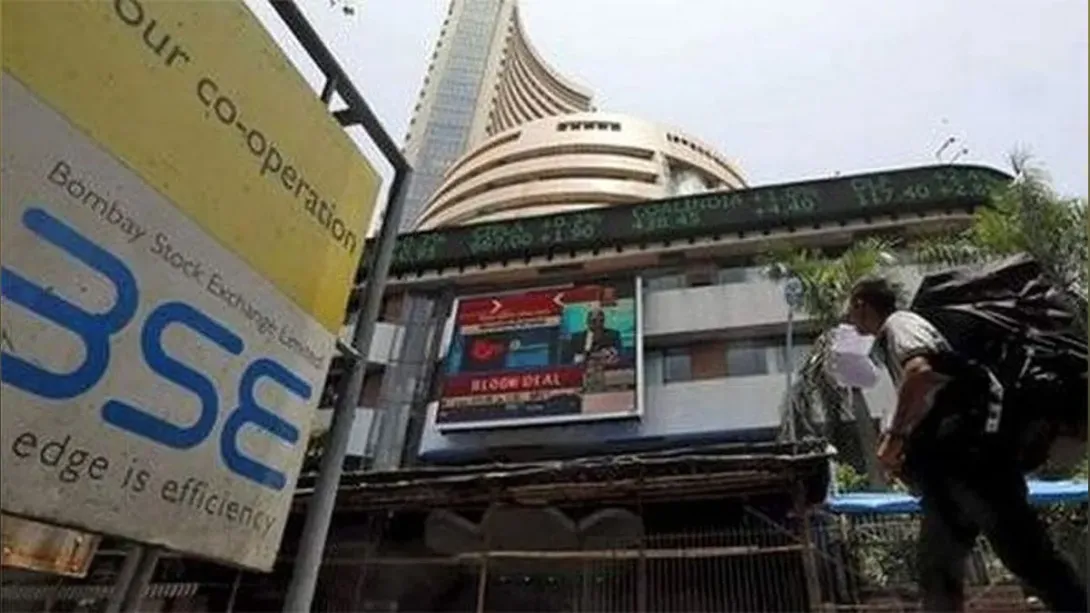
Indian equity markets experienced a pronounced correction as investors engaged in widespread profit-booking, causing the Sensex and Nifty 50 to retreat sharply. Key sectors, including IT, consumer goods, and financials, bore the brunt of the decline amid cautious trading sentiment. Analysts attribute the sell-off to short-term profit realization after recent market gains, concerns over global macroeconomic uncertainties, and mixed corporate earnings. The downturn underscores the volatility inherent in Indian equities, highlighting the importance of prudent risk management and portfolio diversification as investors recalibrate positions in response to shifting market dynamics.
Market Correction and Sectoral Impact
The Sensex fell by over 800 points while Nifty 50 declined by nearly 250 points, reflecting broad-based selling across sectors. IT and consumer discretionary stocks were particularly impacted, as investors locked in gains following recent bullish runs.
Financial services and metals also contributed to the decline, with profit-taking intensifying in mid-cap and large-cap segments. Analysts caution that such pullbacks are natural in a cyclical market environment and can present opportunities for long-term investors to enter at lower valuations.
Drivers of Profit-Booking
Several factors contributed to the market sell-off:
- Recent multi-week rallies created overextended valuations in select sectors, prompting investors to realize gains.
- Global economic concerns, including inflationary pressures and central bank policy signals, added to cautious sentiment.
- Mixed quarterly earnings reports and guidance revisions led to sector-specific corrections.
Market strategists emphasize that profit-booking episodes often coincide with heightened volatility, particularly in emerging markets like India, where foreign institutional investor activity can amplify movements.
Investor Sentiment and Technical Indicators
Trading sentiment turned risk-averse, with market breadth favoring decliners over gainers. Technical indicators suggested overbought conditions, prompting automated and discretionary selling. Volatility indices spiked, reflecting uncertainty over near-term market direction.
Despite the short-term decline, analysts note that fundamentals for major Indian corporations remain intact, with steady revenue growth, improving earnings quality, and a supportive macroeconomic backdrop.
Opportunities Amid the Downturn
While the immediate market reaction triggered losses, portfolio strategists view the correction as an opportunity for selective buying. Defensive sectors such as healthcare, utilities, and FMCG may offer relative stability, while high-quality mid-cap stocks with robust earnings growth could provide attractive entry points.
Long-term investors are advised to maintain disciplined allocation strategies, avoid panic selling, and consider diversification across asset classes to mitigate volatility risks.
Outlook and Strategic Takeaways
Market watchers expect consolidation to continue in the near term as investors digest recent gains and assess global cues. Profit-booking is a natural part of equity cycles, providing necessary corrections before resumption of broader trends.
Comments