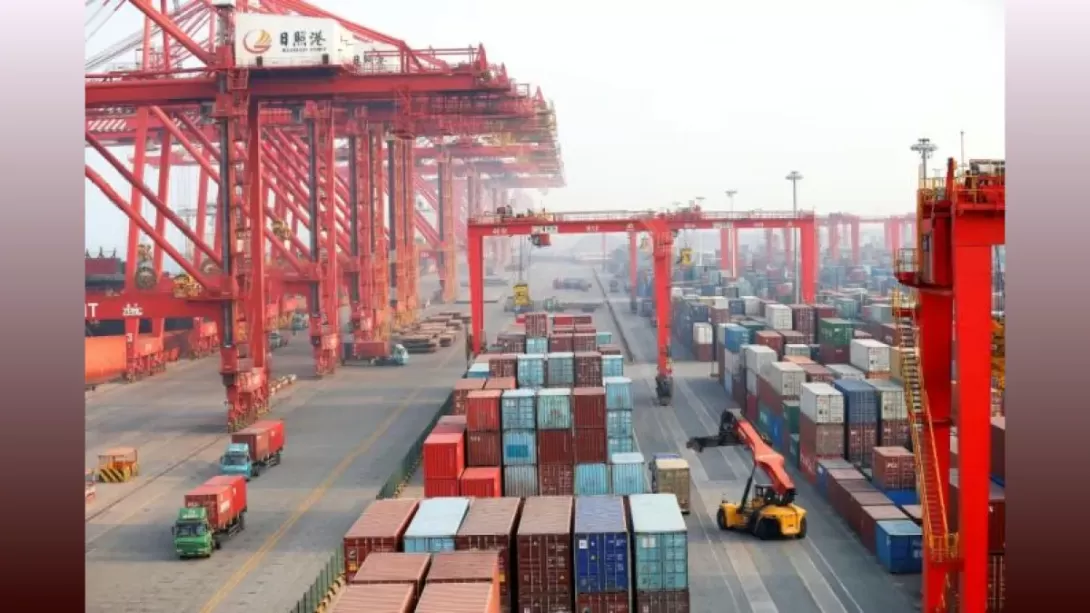
As the U.S. escalates its trade war with China, imposing a staggering 145% tariff on Chinese goods, Indian exporters are finding themselves at a unique crossroads. With the U.S. tariffs making it increasingly difficult for Chinese exporters to maintain direct shipments to the U.S., American sourcing firms are looking towards India as a strategic partner to circumvent these burdensome costs. This evolving trade dynamic presents significant opportunities for Indian companies, especially in sectors like electronics, hand tools, and home appliances, as China’s export orders shift towards India.
The Shifting Trade Landscape: U.S. Tariffs on China Open Doors for India
The trade war between the United States and China has been intensifying, with the U.S. imposing high tariffs on Chinese goods to curtail imports. This has led U.S. sourcing firms, primarily based in China, to explore new avenues for supplying goods to the American market. The key beneficiary? India.
According to Ajay Sahai, Director General of the Federation of Indian Exporter Organisations (FIEO), U.S. firms that previously sourced goods from China are now reaching out to Indian manufacturers, seeking to bypass the steep tariffs imposed by Washington. Sahai emphasized that this shift is creating "huge export opportunities" for Indian firms as the U.S. levies a mere 10% tariff on Indian goods, a stark contrast to the punitive 145% tariff on Chinese products.
Diplomatic Channels Foster New Opportunities
The diplomatic channels between the U.S. and India have been crucial in facilitating this shift. As trade barriers between China and the U.S. tighten, Indian exporters are finding themselves increasingly in demand. Sahai mentioned that FIEO has held virtual meetings with large U.S. firms, who are eager to establish new supply chains through Indian companies. This new dynamic presents Indian exporters with an opportunity to diversify their markets and expand their presence in the U.S.
Chinese Manufacturers Seek Indian Partnerships
In an unusual twist, Chinese manufacturers, facing dwindling export opportunities due to the high tariffs, have begun reaching out to Indian traders. These Chinese firms, operating in sectors such as electronics, hand tools, and home appliances, are looking for Indian partners to fulfill U.S. orders. In return, Chinese companies are requesting a commission fee from Indian firms to facilitate these transactions, a move that reflects their desire to maintain their U.S. business relationships despite the trade war.
A large number of Chinese manufacturers approached Indian traders during the ongoing Canton Fair in Guangzhou, the world’s largest trade fair. These interactions are not just about shifting production; they are about maintaining market access to the U.S., which remains a vital market for Chinese goods despite the tariffs.
A Unique Opportunity for Indian Exporters
For Indian exporters, this presents an unparalleled opportunity. SK Saraf, the Chairman of Technocraft Industries Ltd, based in Mumbai, described the shift as a "great opportunity" for Indian firms to seize. Saraf noted that domestic players should ramp up production capacities to meet the rising demand, as this could lead to direct relationships with U.S. buyers in the future.
He further emphasized that Indian exporters could also look to capitalize on the expanded trade relationships that will likely result from this tariff-related shift, positioning themselves as key suppliers to the U.S. in the long run. This could lead to increased market share in the global trade network, especially if India can sustain competitive pricing and maintain quality standards.
Challenges and Potential Roadblocks
While the current shift offers immense potential, there are challenges. An industry expert pointed out that it may not be entirely straightforward for Chinese companies to establish operations in India. India has placed certain restrictions on investments from neighboring countries, including China. Under the current policy, any investments coming from countries that share a land border with India require mandatory approval from the Indian government. This could potentially slow down or complicate the process for Chinese manufacturers looking to directly collaborate with Indian firms.
Despite these potential regulatory hurdles, the growing need for alternative supply chains due to the U.S.-China trade conflict may prompt both U.S. firms and Chinese manufacturers to navigate these barriers. Indian businesses, meanwhile, have a window of opportunity to negotiate favorable terms and become a crucial part of the global supply chain.
The Road Ahead: Leveraging Opportunities for Growth
The ongoing U.S.-China tariff dispute is reshaping global trade flows, and Indian exporters are poised to take advantage of this seismic shift. The key to capitalizing on these opportunities will lie in India’s ability to scale production, meet international quality standards, and navigate the political landscape—both domestically and internationally.
As U.S. companies look for reliable and cost-effective suppliers to bypass the high tariffs on Chinese goods, India’s manufacturing sector stands at the threshold of a potential export boom. Whether Indian companies can maintain this momentum will depend on their ability to swiftly adapt to the demands of U.S. buyers and sustain the competitiveness that will make them indispensable in the years to come.
In conclusion, the evolving trade dynamics provide Indian exporters with a rare opportunity to position themselves as key players in the global supply chain, benefiting from both U.S. demand and Chinese manufacturers’ need for partnerships. With strategic planning, the Indian export sector could not only capture a significant portion of the U.S. market but also pave the way for long-term, sustainable growth in global trade.
Comments