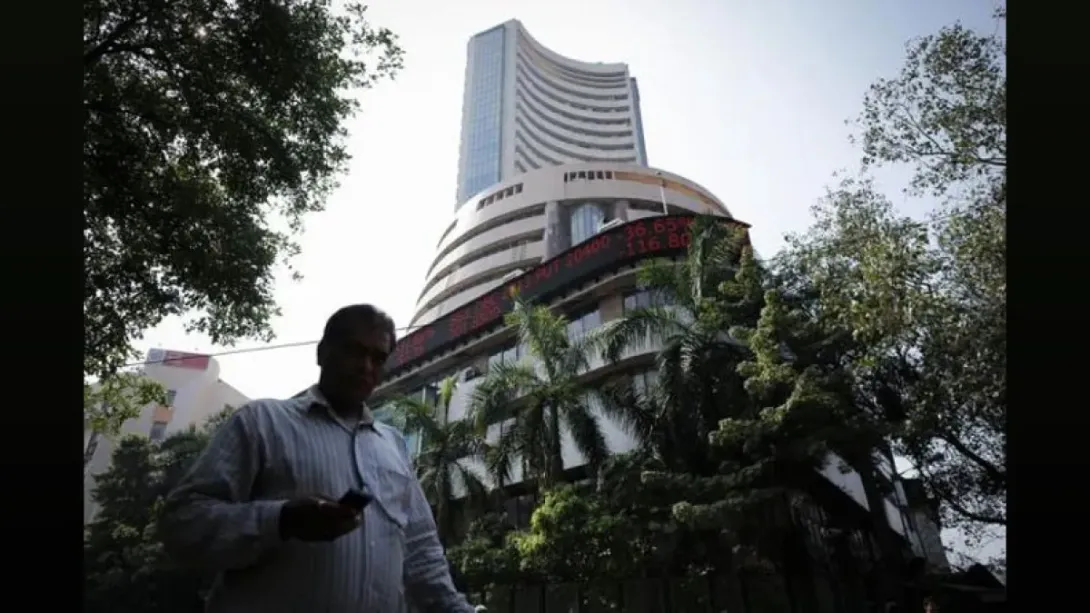
Indian equity markets experienced heightened volatility as futures and options (F&O) contracts approached expiry, compounded by renewed global trade concerns following statements on tariffs from former U.S. President Donald Trump. Analysts observed that rolling over positions and hedging strategies triggered intraday swings, while broader investor sentiment was tempered by potential implications for global trade flows. Key indices fluctuated as participants recalibrated portfolios, balancing short-term risk management with medium-term growth expectations. Market observers suggest that while volatility may persist around derivatives expiry and geopolitical headlines, strong corporate fundamentals and supportive domestic macroeconomic factors continue to provide an underlying anchor for equities.
F&O Expiry Drives Market Fluctuations
The monthly expiration of F&O contracts often induces temporary market turbulence as traders adjust positions, unwind hedges, and rebalance portfolios. In this cycle, heavy volumes in derivatives amplified intraday price swings, particularly in large-cap and mid-cap stocks.
Experts note that volatility during expiry periods is a recurring phenomenon, reflecting mechanical adjustments rather than structural weakness in market fundamentals. However, it often provides opportunities for short-term traders and institutional arbitrage strategies.
Global Trade Concerns Influence Sentiment
Renewed uncertainty around tariffs and international trade policies, linked to comments from Donald Trump, weighed on investor sentiment. Analysts highlighted that potential trade restrictions could impact corporate earnings, particularly for export-oriented sectors and companies dependent on global supply chains.
While India’s domestic growth drivers remain strong, equities remain sensitive to global policy shocks, underlining the interconnectedness of emerging markets with geopolitical developments.
Sectoral Impact and Investor Behavior
Financial services, technology, and export-driven industries experienced pronounced volatility, reflecting their sensitivity to macroeconomic and policy shifts. Market participants engaged in hedging through index futures, option writing, and selective stock positioning to mitigate risk exposure.
Analysts emphasize that informed positioning, coupled with monitoring of liquidity trends, is critical during such periods to navigate sudden market swings effectively.
Medium-Term Outlook
Despite near-term turbulence, the broader equity market remains supported by India’s domestic consumption growth, improving corporate earnings, and stable monetary conditions. Strategists suggest that volatility tied to F&O expiry and global tariff rhetoric is likely to be transient, with long-term investors focusing on fundamentals and structural growth narratives.
The episode underscores the dual influence of domestic trading mechanics and international developments on market behavior, highlighting the importance of risk management and diversified portfolio strategies for investors navigating emerging market equities.
Comments