Indian Oil Corporation (IOC) has solidified a strategic partnership with global energy trader Trafigura, finalizing a deal worth between USD 1.3 billion and USD 1.4 billion to procure 2.5 million tonnes of liquefied natural gas (LNG). This agreement aims to address the rising energy demands in India, where gas consumption is growing rapidly across various sectors. Alongside this agreement, IOC has secured additional LNG supply contracts, further diversifying its energy portfolio. The move is in line with India's broader strategy to boost the share of natural gas in its energy mix, aiming for 15% by 2030.
IOC Expands LNG Imports to Fuel India's Growing Demand
Indian Oil Corporation (IOC), the country's largest oil company, has entered into a major LNG supply agreement with global energy trading firm Trafigura, valued between USD 1.3 billion and USD 1.4 billion. Under this deal, Trafigura will supply 27 cargoes, totaling 2.5 million tonnes of liquefied natural gas (LNG), starting in the second half of 2025. The agreement aims to meet India's growing energy needs, which have been rising at a double-digit rate due to the country’s increased focus on using natural gas as a cleaner energy source.
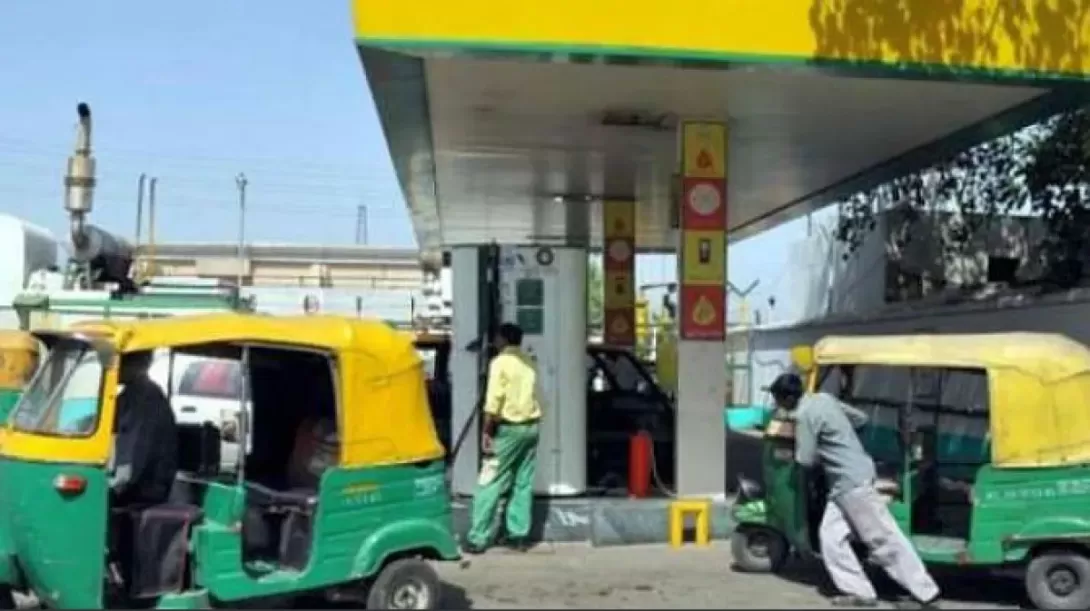
India’s growing reliance on natural gas is a significant part of the nation’s broader energy strategy. The fuel is used in industrial applications, converted into compressed natural gas (CNG) for vehicles, and piped into households for cooking. Additionally, LNG is gaining traction in long-haul trucking as an alternative to more polluting fuels. With demand expanding, IOC’s strategic LNG procurement deal marks a crucial step in addressing the country’s energy security and diversification efforts.
The Role of Natural Gas in India’s Energy Transition
Natural gas is seen as a transition fuel that plays a key role in India's move toward a more sustainable energy system. As part of its energy transition, India aims to increase the share of natural gas in its overall energy mix to 15% by 2030, up from its current share of 6-7%. The long-term agreements, such as the one signed between IOC and Trafigura, will provide the country with a reliable supply of LNG, helping to meet this ambitious target.
Chairman A S Sahney of IOC noted that the deal with Trafigura is linked to benchmark US Henry Hub prices, which will offer some stability in pricing amid global fluctuations. This deal is part of IOC’s broader strategy to diversify its energy supply sources, ensuring that India’s growing energy demands are met with both security and sustainability.
IOC’s LNG Infrastructure and Other Strategic Deals
IOC already operates a significant LNG import facility in Ennore, Tamil Nadu, with a capacity of 5 million tonnes per year. Additionally, the company has secured capacity at other import terminals to further bolster its LNG procurement capabilities. This infrastructure ensures that IOC is well-positioned to manage India’s increasing LNG demand over the coming decades.
In addition to the Trafigura agreement, IOC has signed a series of other significant LNG contracts. The company previously inked binding agreements with Abu Dhabi National Oil Co (ADNOC) LNG for a 14-year deal involving 1.2 million tonnes of LNG annually, and with TotalEnergies for a 10-year deal covering 800,000 tonnes annually. These contracts diversify IOC’s LNG supply and strengthen its position as a key player in India’s energy landscape.
Furthermore, state-run gas utility GAIL (India) Ltd has also entered into long-term LNG purchase agreements, including a deal with Qatar Energy Trading to secure 12 cargoes per year starting in April 2025. GAIL has further expanded its procurement strategy with agreements involving Vitol Asia and ADNOC Gas, ensuring the delivery of LNG from multiple international suppliers.
HPCL Strengthens LNG Supply with ADNOC Trading Partnership
Hindustan Petroleum Corporation Ltd (HPCL) has also taken significant steps to secure its LNG supply. The company signed an LNG trading supply agreement with ADNOC Trading of the UAE, with LNG expected to be received at the newly commissioned Chhara LNG Terminal in Gujarat. This terminal, which has a regasification capacity of 5 million tonnes per annum, will help HPCL meet its own energy requirements and supply LNG to downstream customers across India.
HPCL’s partnership with ADNOC positions the company to diversify its LNG sources, bolstering its long-term energy solutions. The move aligns with India’s broader goals of securing stable, sustainable energy sources to fuel its economic growth.
The Path Forward: Meeting India’s Energy Ambitions
As India’s natural gas demand continues to grow, the country’s energy giants, including IOC and HPCL, are taking decisive steps to ensure the availability of LNG. By securing long-term agreements with global suppliers such as Trafigura, ADNOC, and TotalEnergies, these companies are not only meeting the immediate energy needs of the country but also positioning themselves as critical players in India’s energy transition.
The deals are pivotal in helping India reach its goal of increasing natural gas's share in its energy mix to 15% by 2030. As global LNG markets remain volatile, these strategic partnerships will provide the country with much-needed stability, ensuring that its energy future is secure, diversified, and aligned with sustainability goals.
Conclusion
The agreements signed by Indian Oil Corporation, Hindustan Petroleum Corporation, and GAIL mark significant milestones in India’s quest for energy security. With natural gas set to play a more prominent role in the nation’s energy transition, these long-term LNG deals are critical for meeting rising demand and supporting India’s broader environmental and economic objectives. As the country moves forward with its energy strategy, securing diverse, reliable, and sustainable LNG supplies will be key to sustaining growth and achieving energy independence in the years to come.
Comments