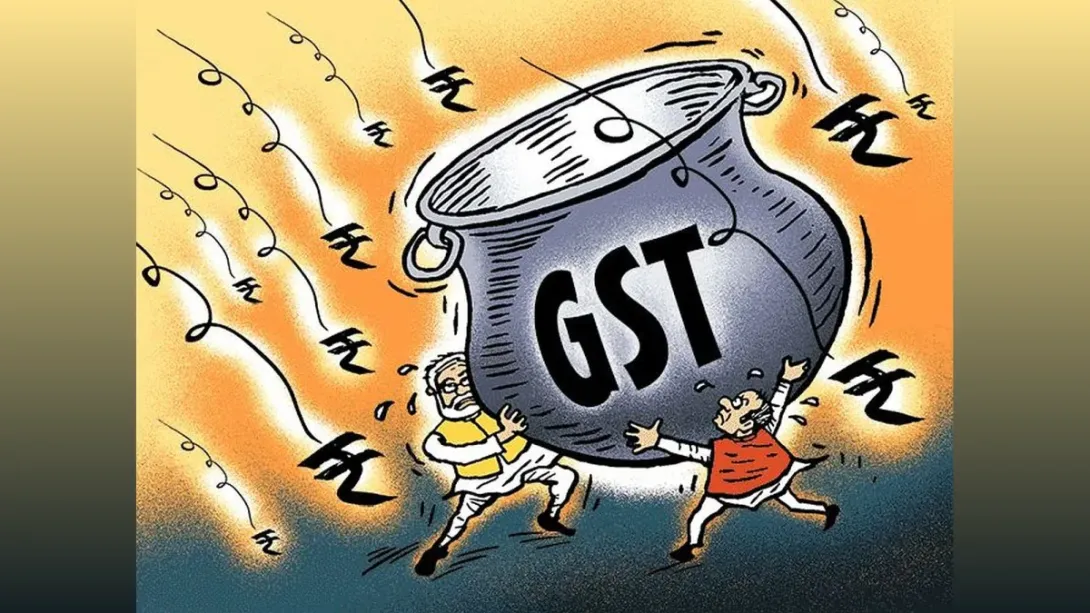
India’s state governments are poised to witness a healthy 7–9% increase in aggregate revenue during FY25, signaling a recovery in domestic consumption, improved tax compliance, and enhanced efficiency in tax collections. Key contributors to this growth include a steady rise in Goods and Services Tax (GST) inflows, buoyant state excise collections, and a rebound in stamp duty revenue linked to a reviving real estate sector. This projected uptick comes even as states balance post-pandemic fiscal consolidation with capital expenditure needs, indicating stronger fiscal fundamentals and improving economic sentiment at the subnational level.
---
Broad-Based Revenue Expansion Across States
India’s fiscal landscape at the state level is exhibiting signs of resilience, with revenue receipts expected to grow by 7–9% in the ongoing financial year. This growth trajectory reflects both cyclical recovery and structural improvements in tax administration across most states.
With inflation stabilizing and consumer demand gradually picking up, states are likely to see increased revenue from indirect taxes such as the state GST, which has emerged as the cornerstone of subnational fiscal capacity. A revival in economic activity, particularly in urban centers, is also boosting other key sources of revenue like stamp duties and registration charges.
---
GST Remains the Primary Growth Engine
State Goods and Services Tax (SGST) collections are expected to remain the largest contributor to the projected revenue uptick. Over the past fiscal year, SGST revenues have demonstrated double-digit growth in several states, driven by improved compliance, digital audits, and data analytics-led enforcement.
States like Maharashtra, Tamil Nadu, Gujarat, and Karnataka—each with strong industrial and services bases—are likely to lead in SGST contributions. Even consumption-driven states such as Uttar Pradesh and West Bengal are witnessing improvements in tax buoyancy, aided by better tracking and integration of supply chains.
The phased withdrawal of GST compensation since mid-2022 has also nudged states toward self-reliance and efficiency-focused reforms, fostering a healthier tax environment.
---
Excise and Stamp Duties See Positive Momentum
State excise collections, particularly from alcohol and petroleum products, are expected to remain stable or register moderate growth depending on state-level pricing strategies and consumption patterns. Despite growing emphasis on moderation in excise duty hikes, this segment continues to be a reliable contributor to state revenues.
Similarly, stamp duty and registration charges, which had faced a downturn during the pandemic, have rebounded strongly on the back of rising real estate transactions in both metros and Tier-2 cities. Improved sentiment in the housing market, supported by stable interest rates and robust developer activity, is translating into higher collections in this segment.
---
Grants and Transfers Likely to Remain Steady
While own-tax revenue is set to drive the bulk of the revenue growth, intergovernmental fiscal transfers from the Centre—including finance commission grants and centrally sponsored scheme allocations—are expected to remain stable. However, the share of such transfers as a proportion of total revenue may moderate slightly, as states enhance their reliance on self-generated funds.
This shift is reflective of a maturing federal structure, where states are gradually building greater fiscal independence and adopting outcome-linked spending models.
---
Fiscal Management and Capital Expenditure
The anticipated revenue growth is expected to provide greater headroom for capital spending, particularly on infrastructure, healthcare, and rural development. Many states are planning to increase allocations toward roads, irrigation projects, and digital governance systems, aiming to accelerate growth multipliers.
States are also aligning their borrowing strategies with fiscal responsibility norms, keeping fiscal deficits largely within the 3–3.5% range of Gross State Domestic Product (GSDP). This demonstrates a balanced approach toward fiscal prudence and developmental imperatives.
---
Outlook: Strengthening State-Level Resilience
As India’s economy enters a new growth cycle, the financial health of its states will play a pivotal role in sustaining national momentum. The projected 7–9% rise in state revenues for FY25 reflects a blend of policy-driven improvements, economic resilience, and administrative modernization.
With stronger fiscal buffers, states are better positioned to support inclusive growth, deepen public investments, and respond to future economic shocks. This upward trend in revenue not only underscores the country’s macroeconomic recovery but also signals a maturing federal structure where states are increasingly becoming engines of both revenue generation and reform.
Comments