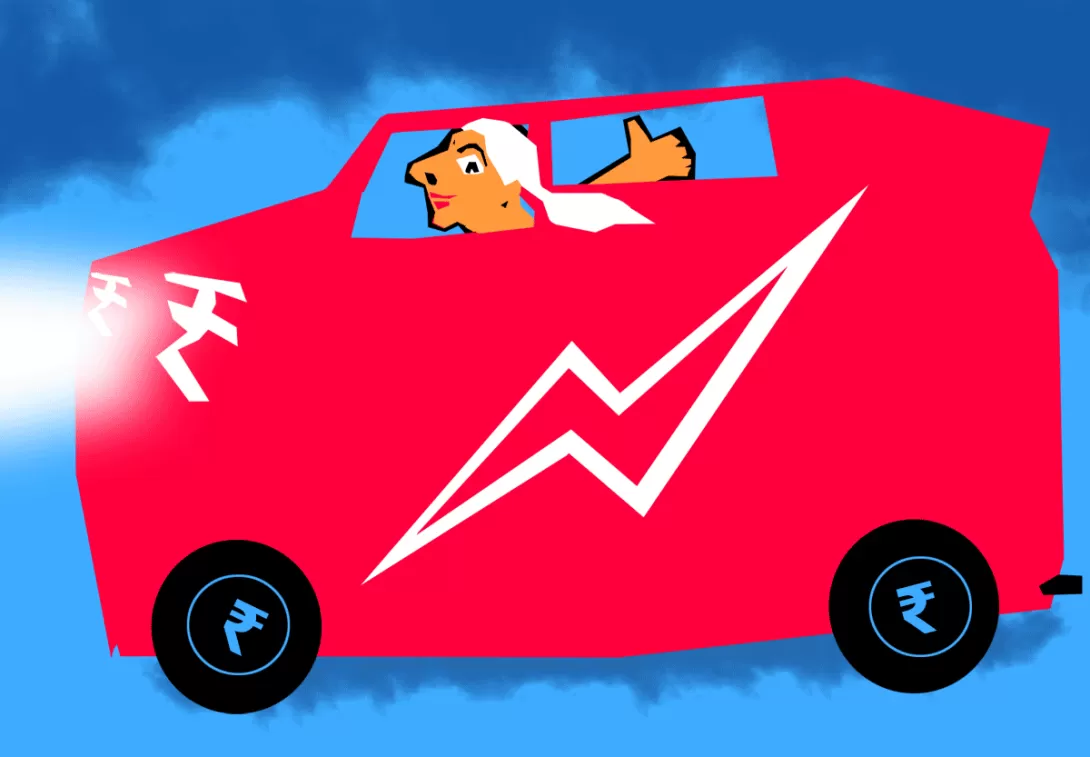
India’s automotive industry is grappling with disruptions as China enforces stringent export controls on rare earth magnets, a critical component for electric vehicles (EVs) and other advanced technologies. Despite efforts by Indian suppliers to secure approvals from the Chinese government, no licenses have been granted so far. The situation has raised concerns of potential production slowdowns and inflationary pressures, particularly in the EV segment. Industry leaders and analysts are calling for urgent diplomatic interventions to ensure continuity of supply, as immediate alternatives remain limited given the heavy dependence on Chinese processing capacity.
China’s Export Restrictions and Their Impact
China’s decision to require special export licenses for seven rare earth elements and related magnets, effective April 4, has sent ripples through India’s automobile sector. These magnets—vital in electric motors, regenerative braking systems, and other applications—are predominantly processed in China, which controls over 90% of global capacity.
As of now, Indian vendors have been seeking approval from Chinese authorities through local partners in China, but no permits have been issued, according to industry insiders. The resulting uncertainty has already forced some automakers, like Suzuki Motor in Japan, to suspend production of models such as the Swift.
Maruti Suzuki India’s Senior Executive Officer (Corporate Affairs), Rahul Bharti, recently noted that China is demanding end-user certificates, verified by the Indian government and approved by Chinese authorities. Negotiations are underway, but no breakthrough has emerged yet.
Challenges for India’s EV Ambitions
Deloitte India Partner and Automotive Sector Leader Rajat Mahajan highlighted that the shortage of rare earth magnets poses a severe supply chain disruption, particularly for EVs, which rely heavily on these materials for core components like electric motors.
“These magnets have high magnetic energy storage capacity and low coercivity at high operating temperatures, making them indispensable in EV applications,” Mahajan said. He also underscored that despite significant R&D efforts in alternate magnetic materials, no viable large-scale commercial alternatives currently exist.
The potential for recycling rare earth magnets is also limited due to the relatively low volumes of end-of-life EVs in India, further compounding the challenge of ensuring a steady supply.
Potential Industry-Wide Consequences
Icra Senior Vice President & Co-Group Head (Corporate Ratings), Srikumar Krishnamurthy, emphasized that rare earth magnets are central not only to electric motors but also to regenerative braking systems, power steering units, and more.
“The near-monopoly of China in processing rare earth magnets means that these export restrictions could lead to significant inflationary pressures, driven by higher costs, or even outright production halts if supply chains are disrupted,” he said.
While original equipment manufacturers (OEMs) are exploring ways to reduce reliance on rare earth magnets, experts agree that pivoting to alternate materials or redesigning powertrains would be neither quick nor simple.
Critical Materials and the Geopolitical Angle
Among the restricted materials are samarium, gadolinium, terbium, dysprosium, and lutetium—elements essential to modern technologies ranging from EVs and smartphones to defense systems like missiles.
Mahajan added that while the situation could eventually be resolved through diplomatic negotiations, any prolonged disruption would likely force automakers to reevaluate long-term powertrain strategies and material sourcing.
For now, India’s automotive sector is bracing for continued uncertainty as it navigates the delicate balance between geopolitical realities and the accelerating push towards electrification and green mobility.
Conclusion
The current impasse highlights the fragility of India’s EV ambitions, dependent as they are on rare earth magnets from China. As automakers, suppliers, and policymakers weigh their options, the urgent need for diplomatic dialogue and long-term diversification of critical material sourcing has never been clearer.
Comments