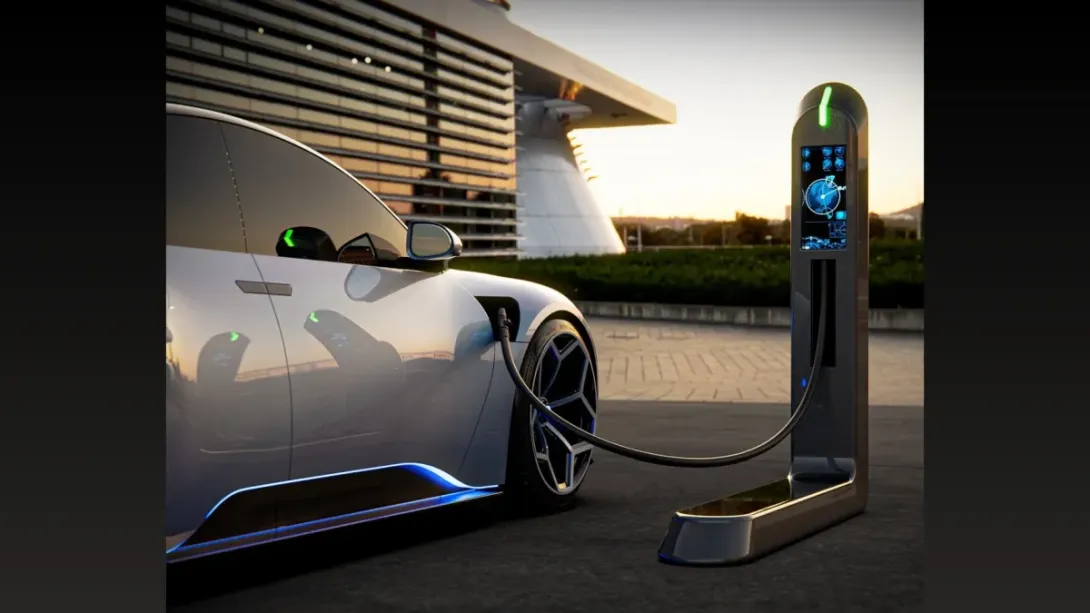
India’s electric vehicle (EV) industry is poised for a dramatic transformation, with electric car sales expected to account for 7% of total passenger vehicle sales by the financial year 2027-28. Driven by government incentives, improving charging infrastructure, and growing consumer acceptance, the shift signals a critical pivot in the country’s transportation landscape. Automakers are intensifying their EV portfolios to tap into this evolving demand, while supportive policies continue to accelerate adoption. As India strives to meet climate goals and reduce oil dependence, the projected surge in EV penetration underscores both an economic opportunity and an environmental necessity.
---
A Turning Point for India’s Auto Sector
The forecast that electric cars could capture 7% of India’s passenger vehicle market by FY28 marks a decisive shift for a nation traditionally dominated by internal combustion engines. Compared to the current penetration level of roughly 2%, this jump represents a compounded annual growth rate of over 25%, indicating that consumer sentiment and market dynamics are quickly realigning toward greener mobility. Analysts attribute this anticipated growth to a convergence of factors, including declining battery costs, competitive pricing strategies by manufacturers, and heightened awareness around sustainability.
---
Policy Push and Infrastructure Build-Out
Central and state governments have played a pivotal role in nurturing the EV ecosystem. Through schemes like FAME-II and state-level subsidies, the cost of ownership for electric vehicles has become more attractive. Moreover, policies aimed at expanding charging infrastructure are beginning to yield results, with thousands of new charging points coming up in urban hubs and along highways. These efforts are crucial to alleviating range anxiety, a persistent barrier that has traditionally slowed EV adoption. By FY28, India’s charging network is expected to be robust enough to support widespread EV usage.
---
Automakers Accelerate Their EV Roadmaps
Leading automotive companies are rapidly scaling their EV strategies to align with evolving market realities. From launching mass-market electric hatchbacks to premium SUVs, manufacturers are seeking to cater to diverse customer segments. Investments in local battery assembly and strategic partnerships with technology firms are also on the rise, aimed at reducing costs and improving vehicle performance. As competition intensifies, consumers are likely to benefit from a broader choice of models equipped with better range, faster charging, and advanced connectivity features.
---
Economic and Environmental Stakes
Beyond commercial prospects, the push for electric mobility carries substantial economic and ecological implications. India imports over 80% of its crude oil requirements, making transport electrification a strategic imperative for reducing its energy bill and enhancing security. Simultaneously, with transport emissions accounting for a sizeable share of urban air pollution, shifting to EVs is critical to achieving national climate commitments under the Paris Agreement. The projected 7% EV share by FY28 thus represents not just a market statistic but a significant milestone in India’s sustainable development journey.
Comments