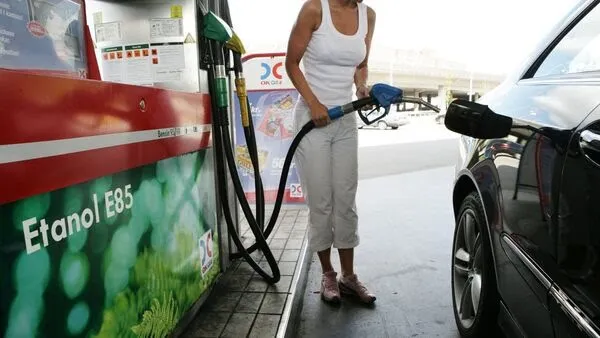
India’s ethanol blending programme has emerged as a cornerstone of the government’s strategy to reduce crude oil imports, enhance energy security, and promote cleaner fuels. By blending ethanol with petrol, the initiative aims to cut greenhouse gas emissions while providing an additional income stream for farmers through greater demand for sugarcane and grain-based feedstocks. The programme is also central to India’s broader renewable energy ambitions, with targets to achieve higher blending percentages in the coming years. Here are 10 important aspects that highlight the significance, progress, and challenges of this landmark policy initiative.
1. Objective of the Programme
The ethanol blending initiative was launched to reduce India’s dependence on imported crude oil, which accounts for nearly 85% of the nation’s consumption. Ethanol, a biofuel derived mainly from sugarcane and grain, provides a cleaner and domestically sourced alternative.
2. Blending Targets
The government initially set a target of 20% ethanol blending with petrol by 2030. However, the deadline was later advanced to 2025-26, reflecting the urgency of reducing fossil fuel reliance and cutting carbon emissions.
3. Current Achievement Levels
India has made significant progress, with ethanol blending reaching nearly 12% in 2023, compared with less than 2% a decade ago. This growth demonstrates the success of policy interventions and increased production capacity.
4. Economic Benefits
Ethanol blending reduces the import bill for crude oil, saving the exchequer thousands of crores annually. Additionally, it channels revenue to farmers by creating demand for sugarcane and surplus grains, providing rural incomes with greater stability.
5. Environmental Gains
Blending ethanol with petrol lowers carbon monoxide and other harmful emissions, making it a cleaner alternative to conventional fuels. This shift aligns with India’s climate commitments under the Paris Agreement.
6. Role of Sugarcane and Grains
Sugarcane remains the primary source of ethanol production, though the government has encouraged the use of damaged grains, maize, and surplus rice stocks to diversify supply and ensure sustainability.
7. Investment in Infrastructure
To meet blending targets, India has invested heavily in distilleries, storage facilities, and transport logistics. Financial support schemes and soft loans have been introduced to scale production capacity nationwide.
8. Policy and Pricing Framework
The government fixes ethanol procurement prices annually, with differentiated rates based on feedstock used. Oil marketing companies are mandated to purchase ethanol, ensuring a ready market for producers.
9. Challenges Ahead
Despite rapid progress, challenges remain. These include fluctuating sugarcane output, food security concerns over grain use, logistical bottlenecks, and the need for advanced technologies to increase production efficiency.
10. Broader Impact on Energy Transition
The ethanol blending programme is not just an energy policy but part of a wider push toward renewable fuels and reduced emissions. By aligning agriculture with clean energy, India is creating a blueprint for sustainable development that integrates economic growth with environmental responsibility.
Conclusion
India’s ethanol blending initiative represents a bold step in reshaping its energy matrix. While the road to 20% blending by 2025-26 is challenging, the programme’s success thus far demonstrates its potential to transform both rural economies and the nation’s energy security. For India, ethanol blending is more than a technical adjustment—it is a strategic pivot toward a greener, more self-reliant future.
Comments